What People Mean
How do we choose to move towards the world when every instinct tells us to withdraw?
What People Mean is about the possibility of a third path. When life feels reduced to a choice between continuing as you are or disappearing altogether, the work asks whether there might be another way—one conversation, one act of curiosity and one small step back into the world at a time.
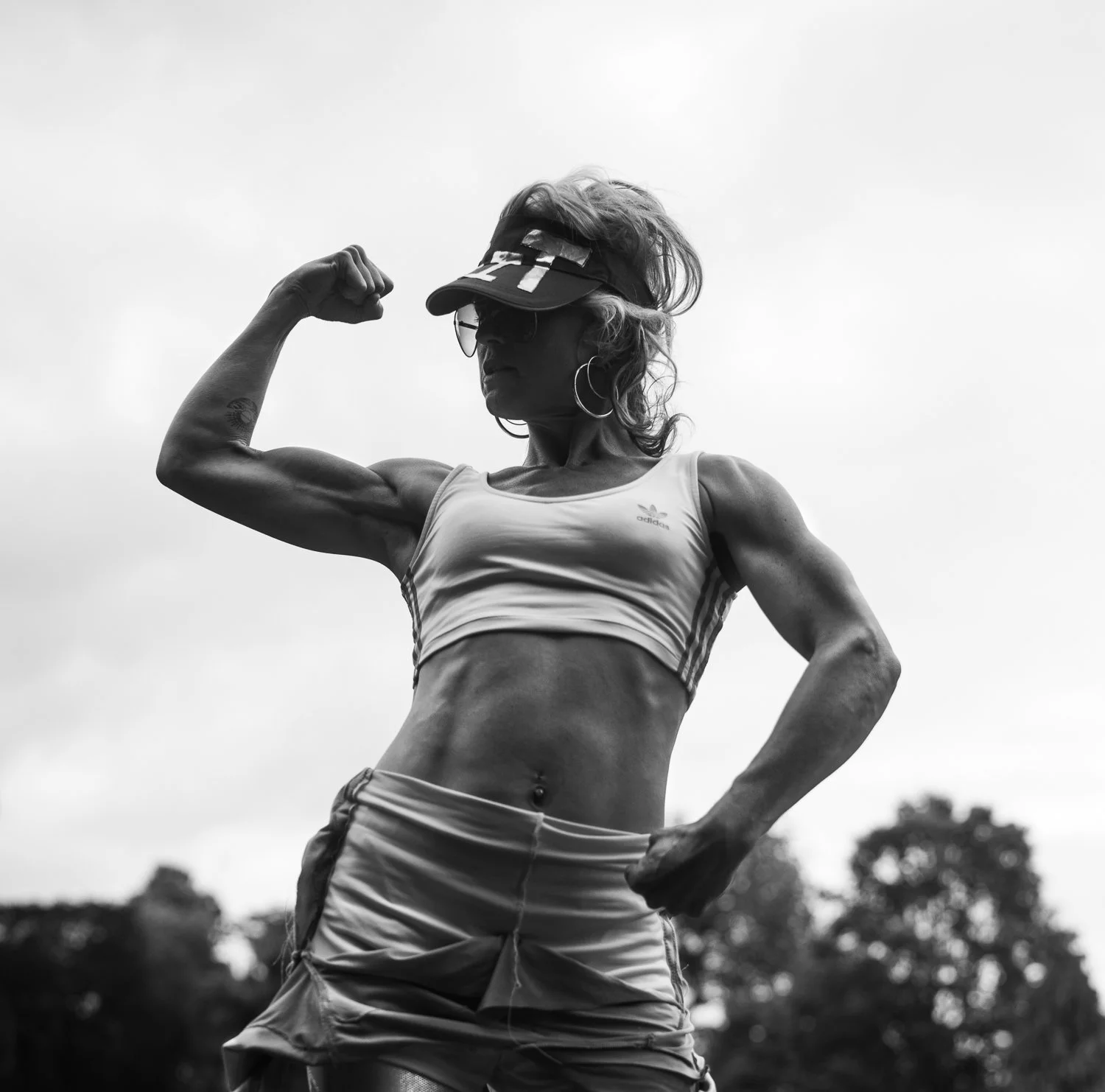
The project documents one person’s slow return to the world through photography, tracing the moments where curiosity became an alternative to withdrawal and strangers became companions, however briefly.
I’ve forever struggled to find any direction. Simple things—getting out of bed, leaving the house, deciding what to do next—felt overwhelming. Eventually I got into the car and drove west until the roads became mountains and my world became small enough to manage again.
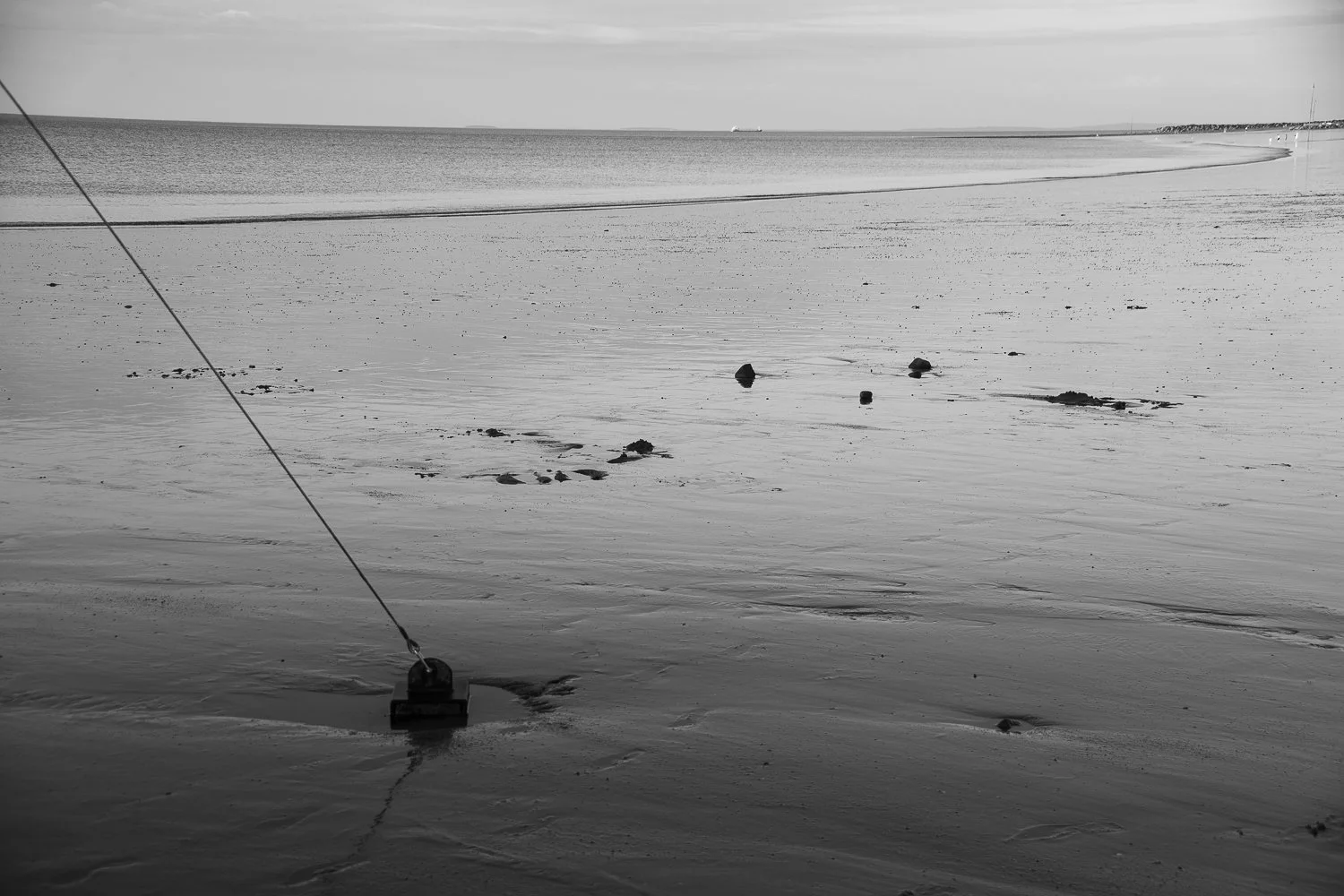
From that journey grew an ongoing body of work made through portraits, landscapes and conversations with strangers. It explores loneliness, neurodivergence and recovery, asking how attention, trust and everyday encounters can begin to rebuild a sense of belonging.
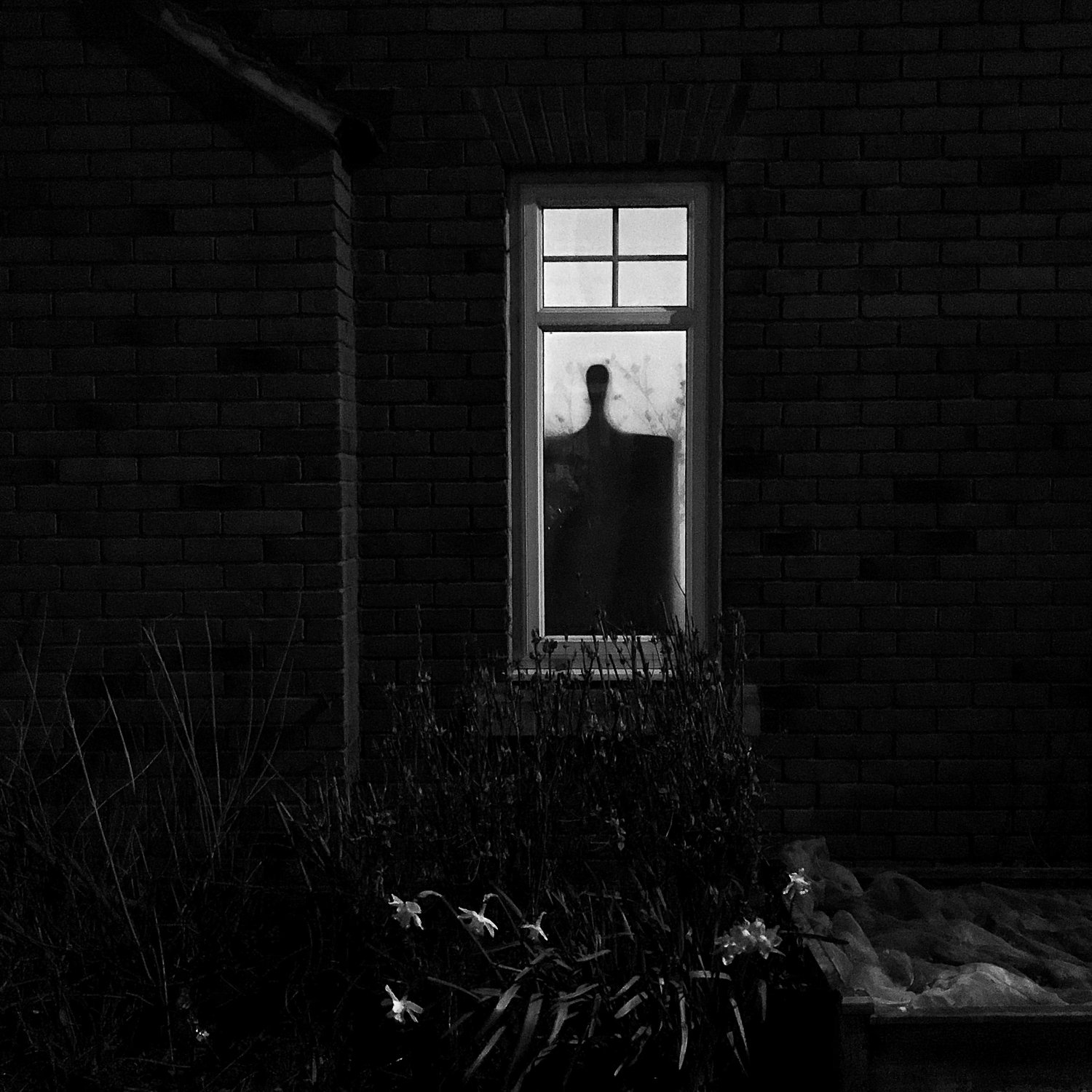
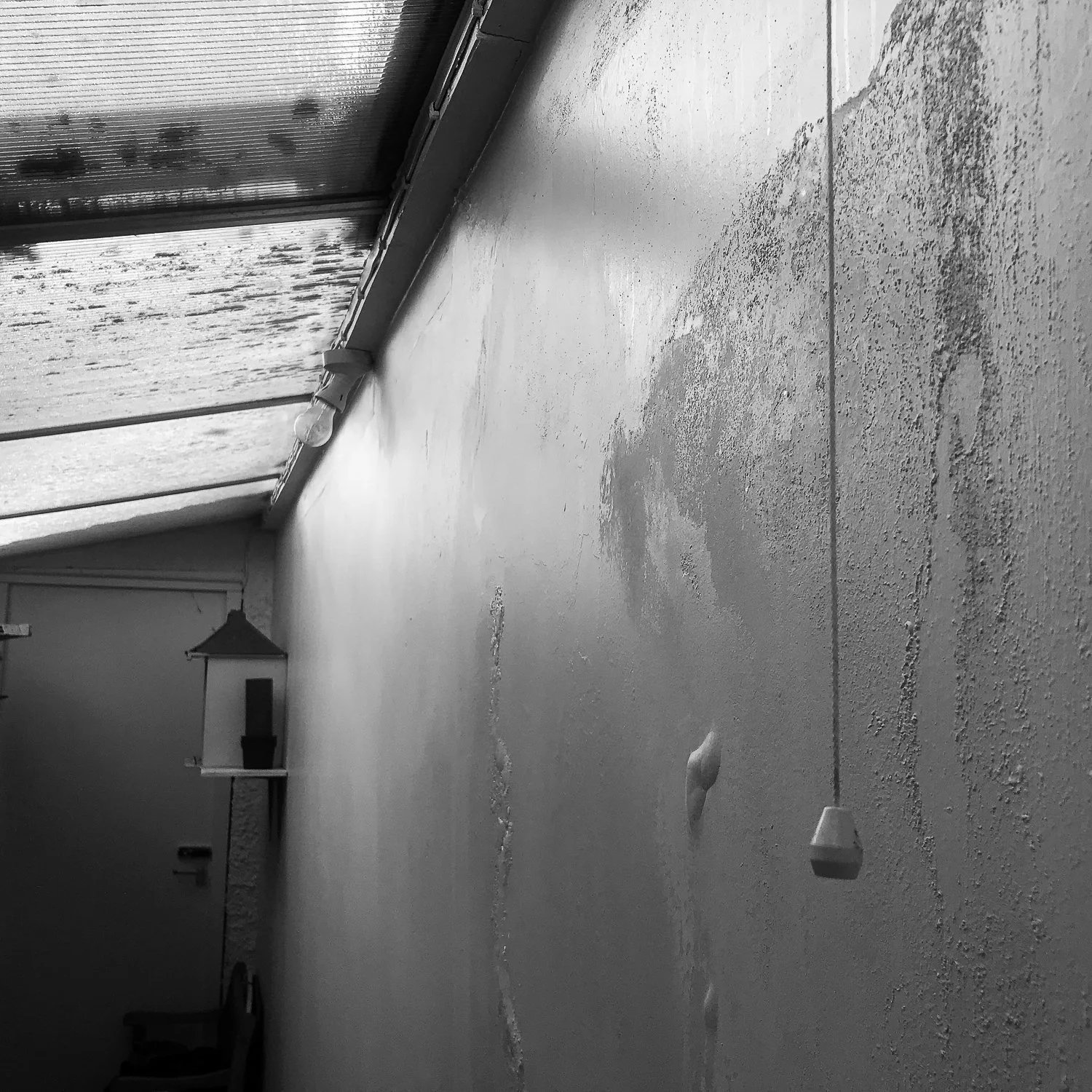
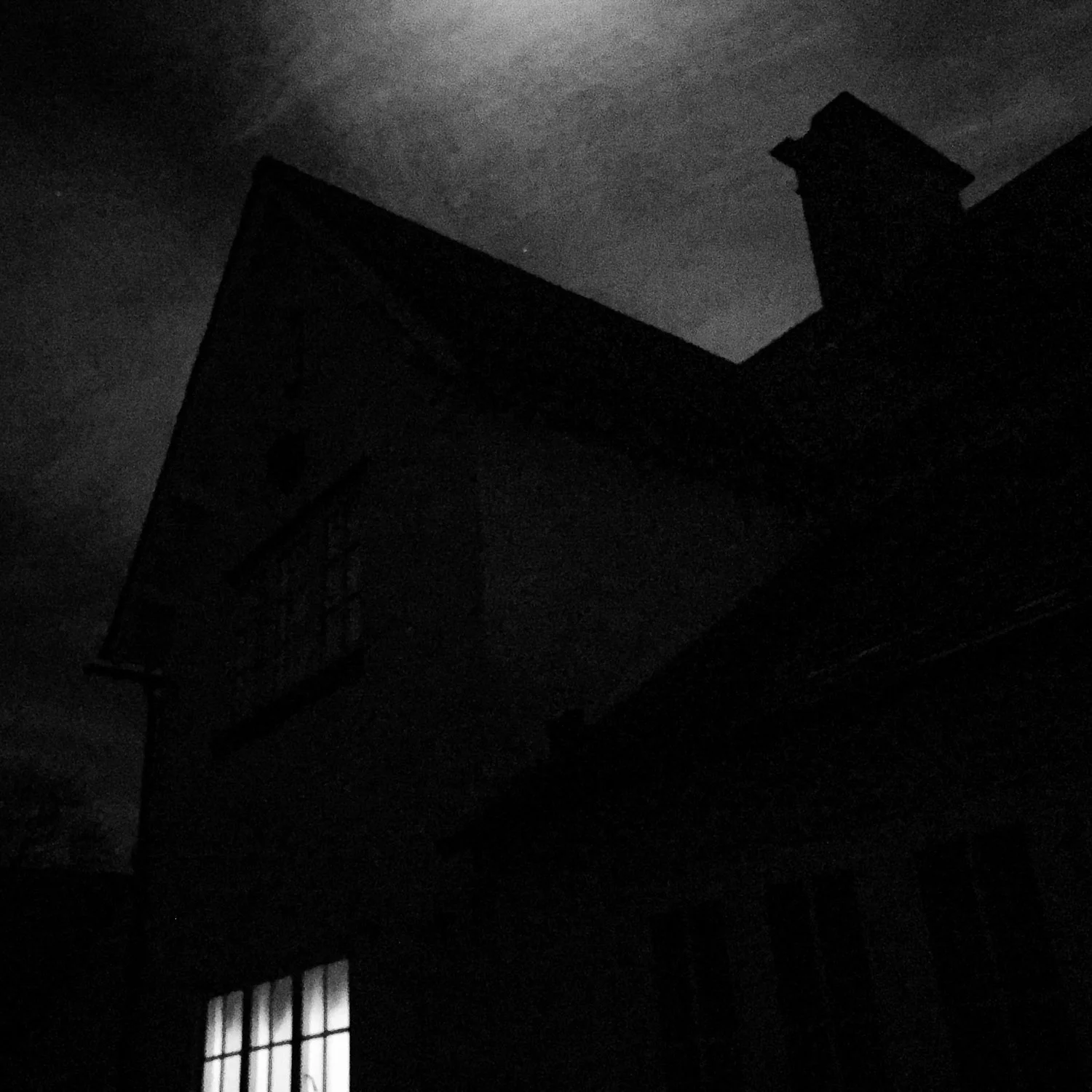
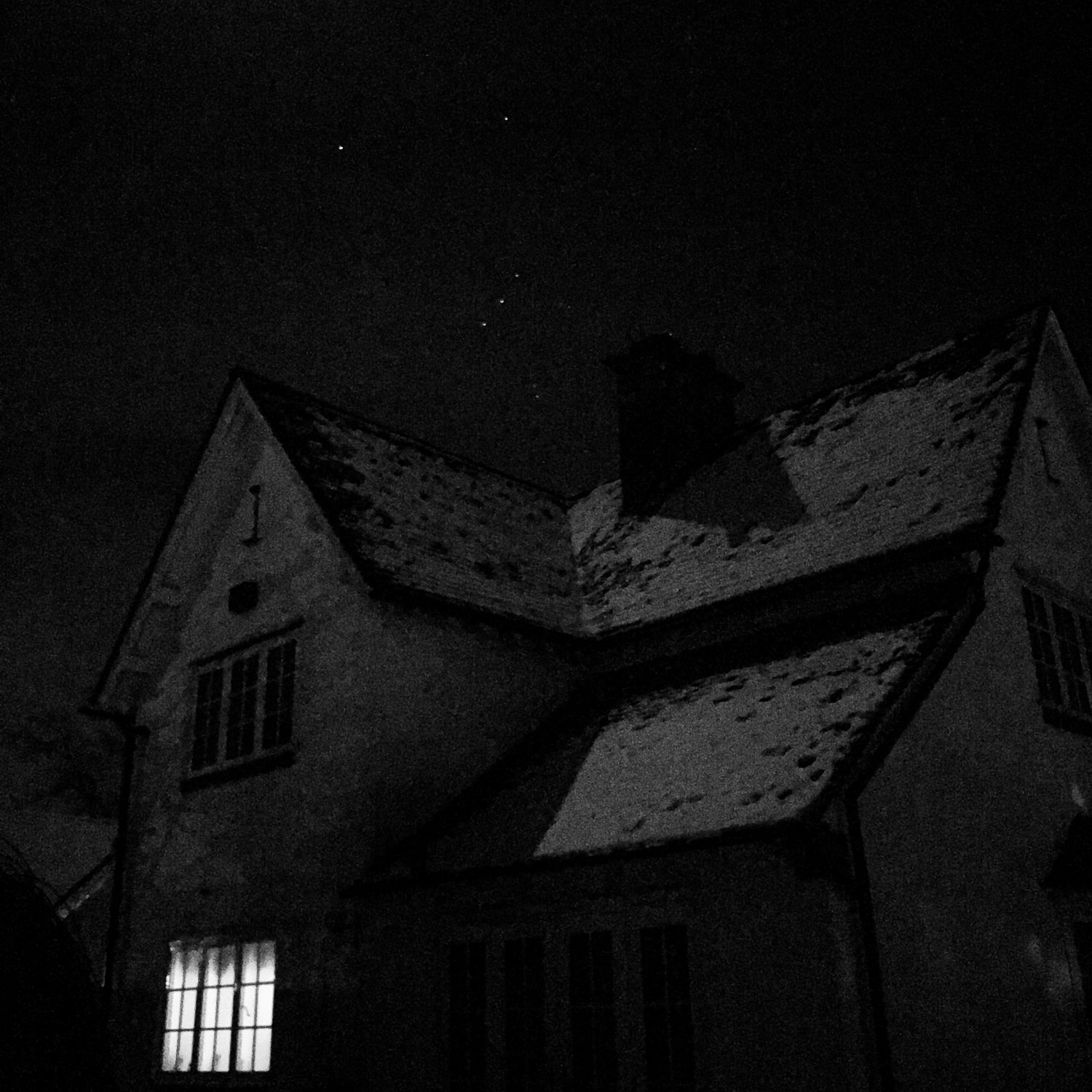
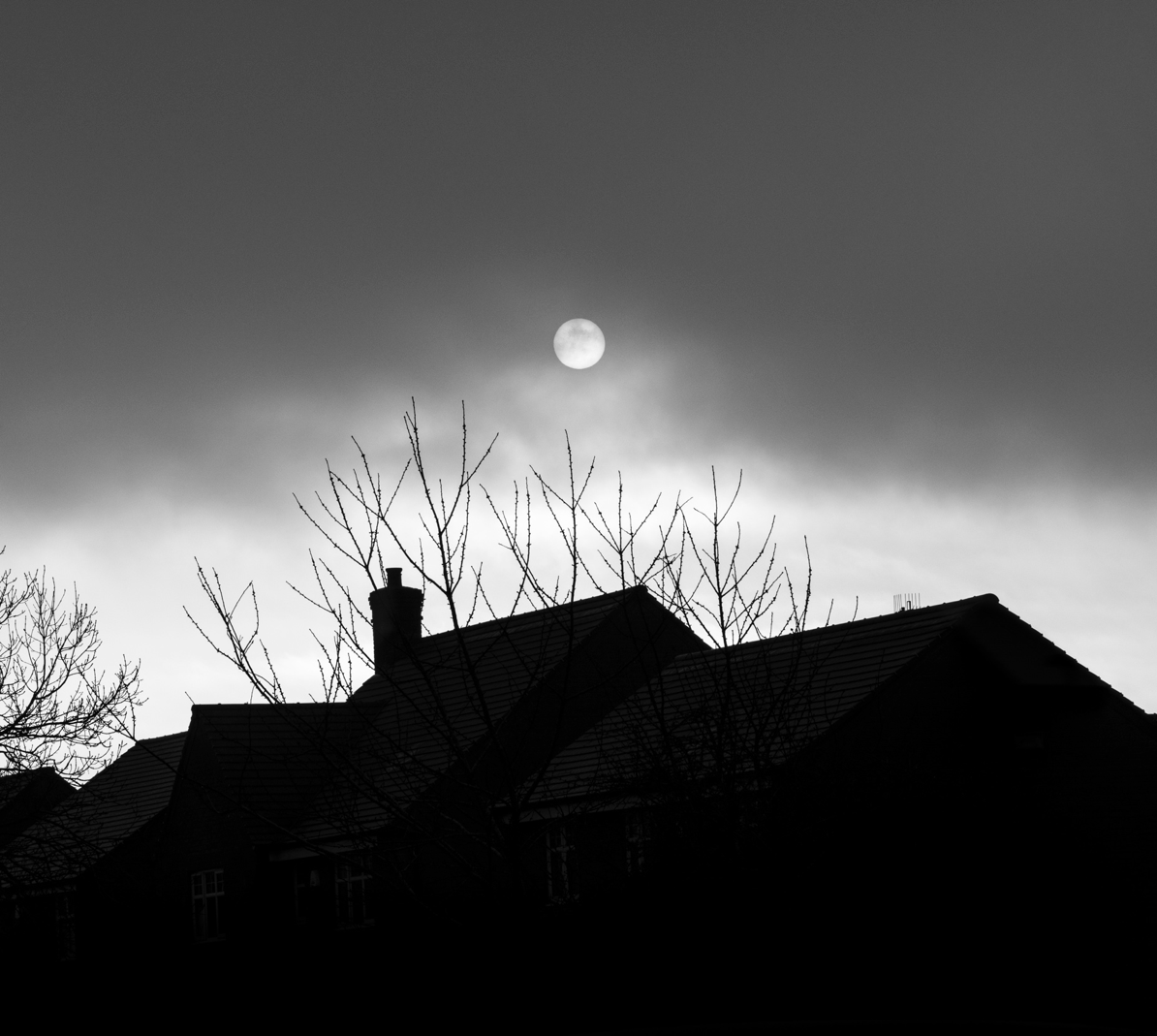
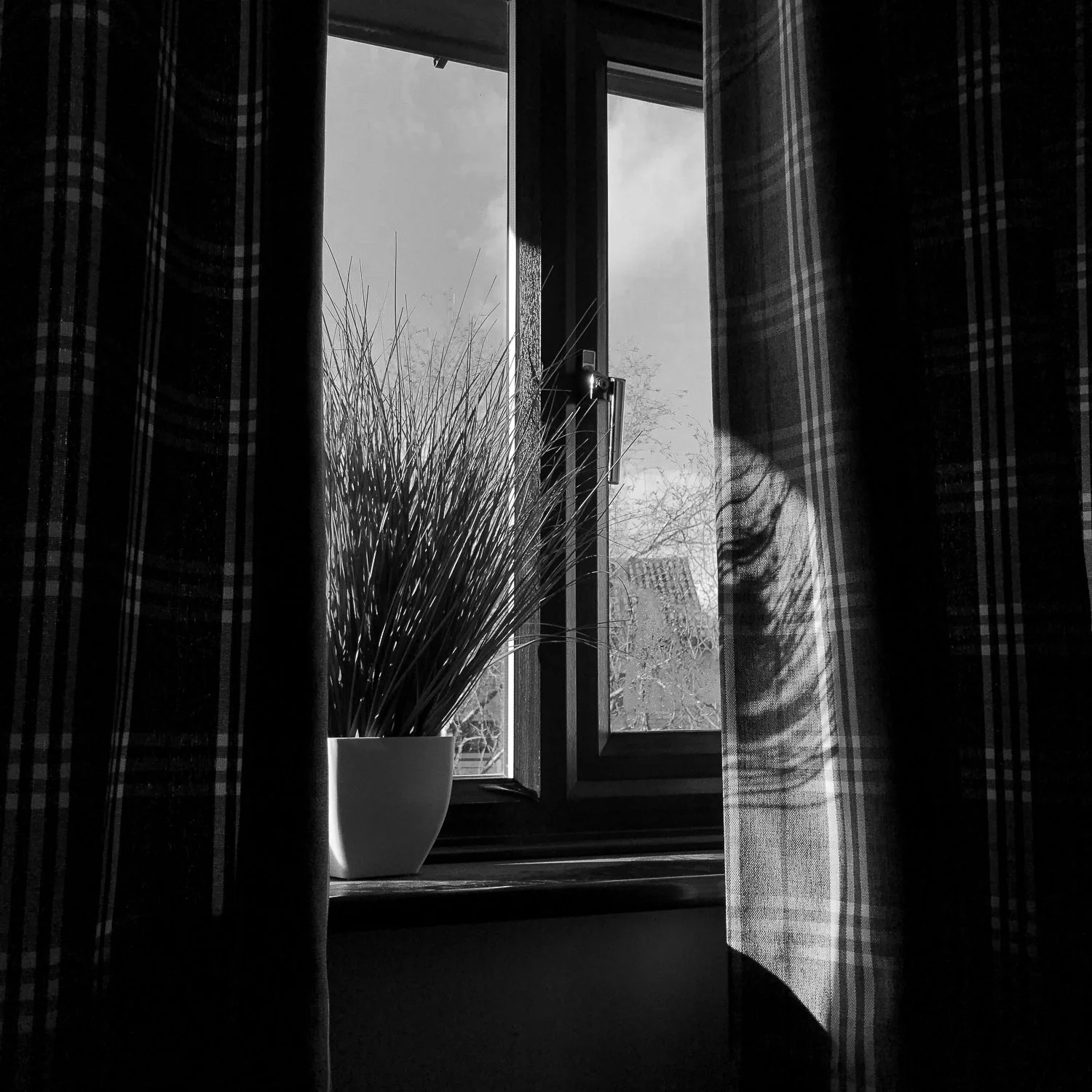
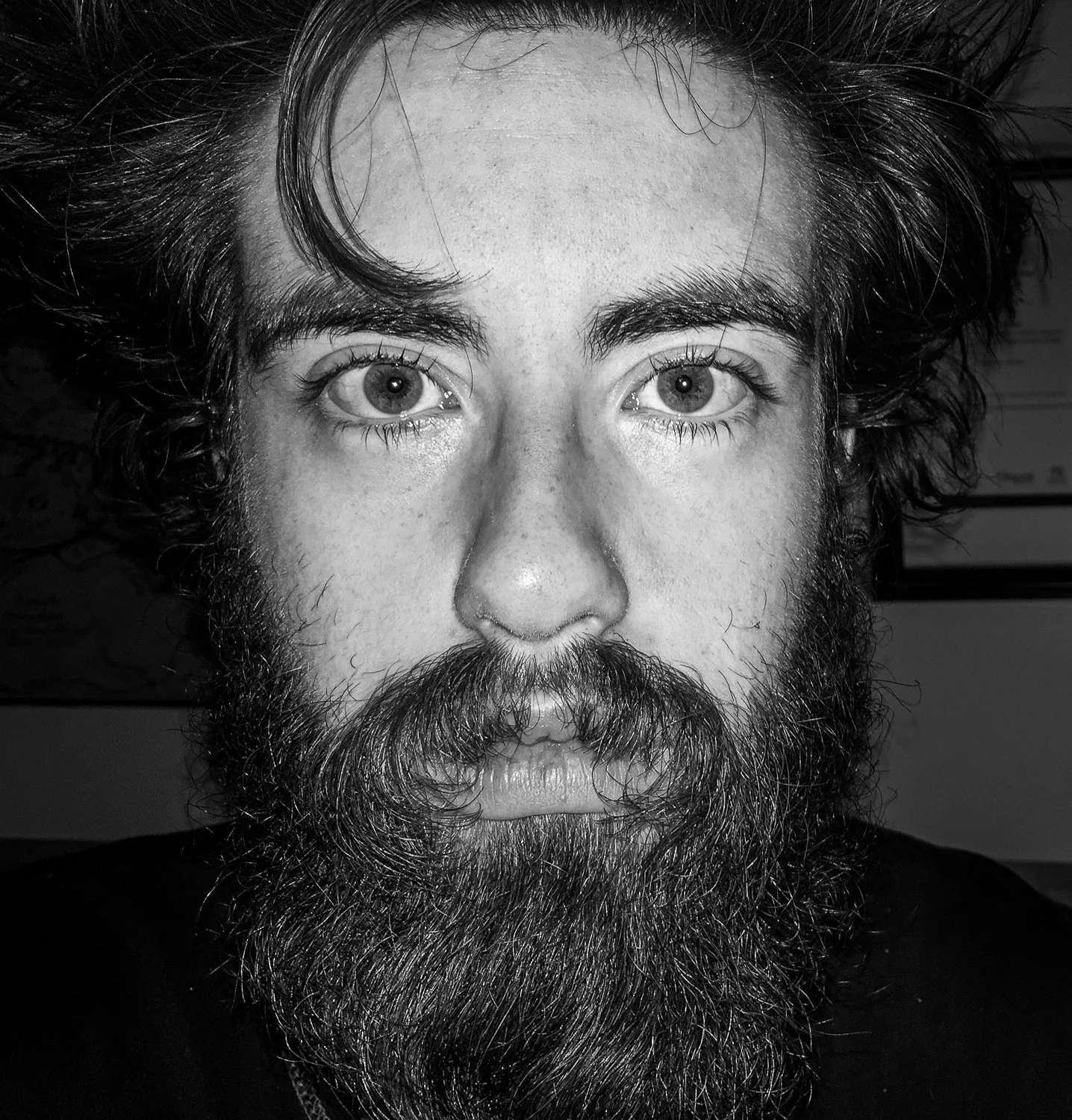
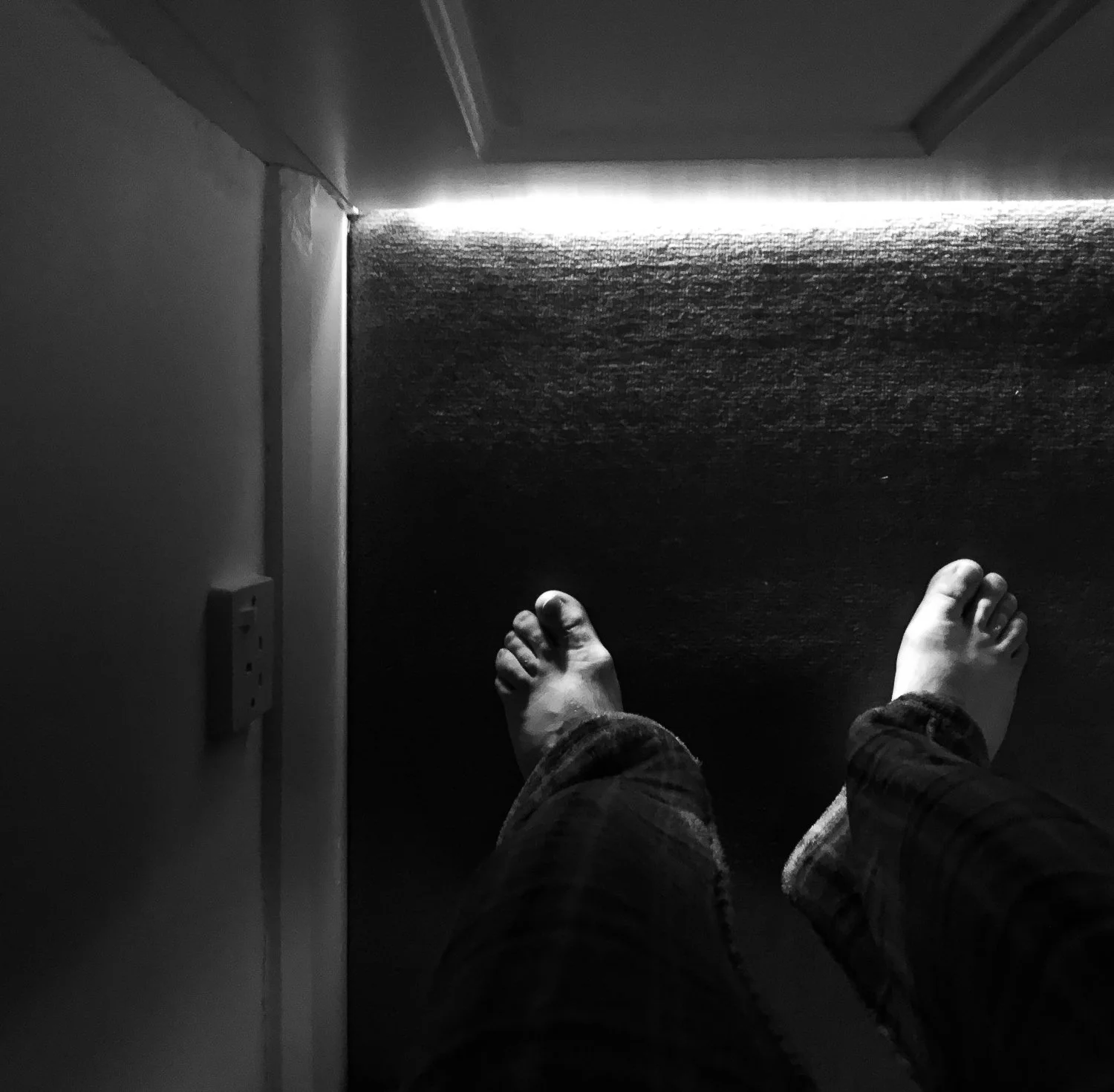
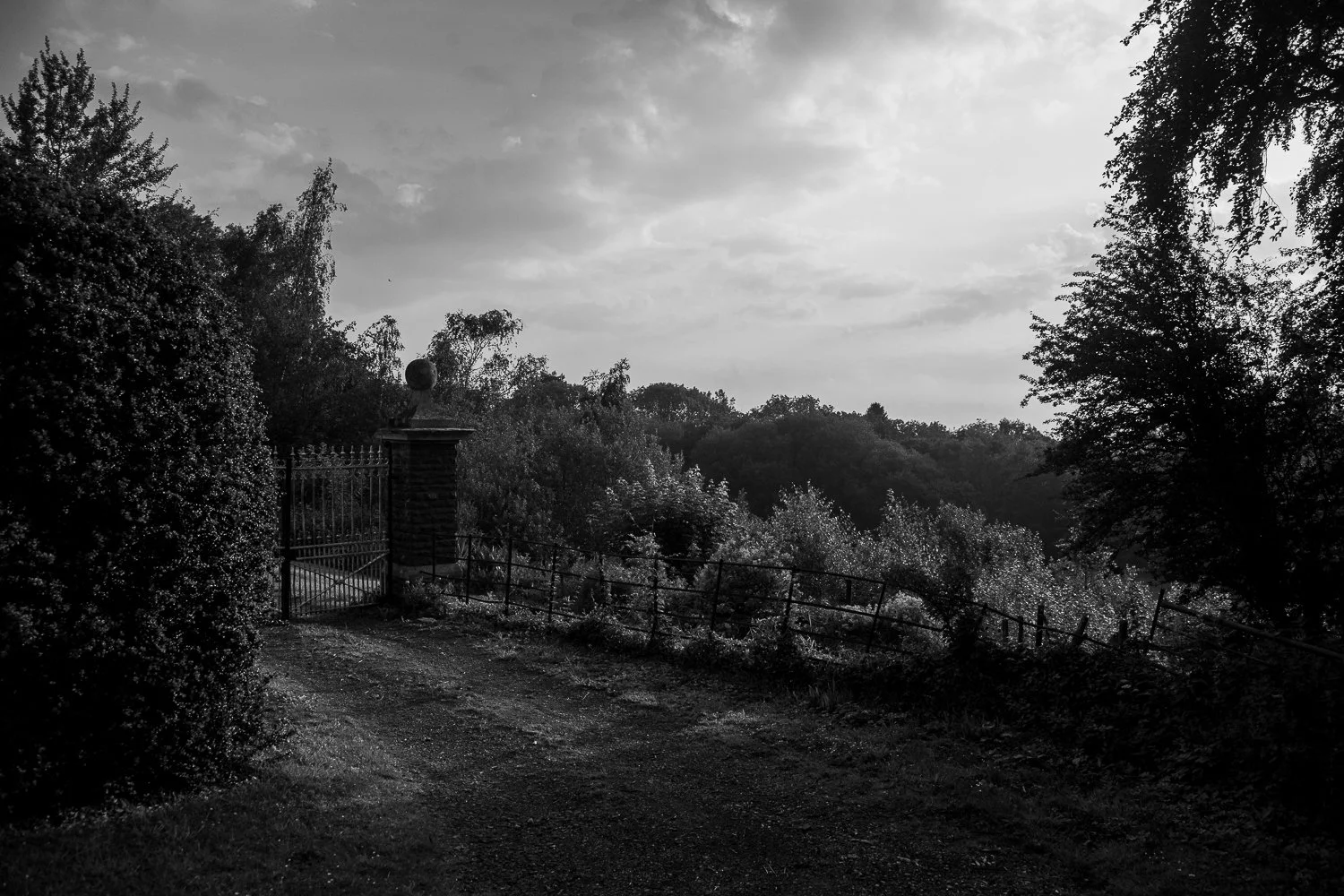
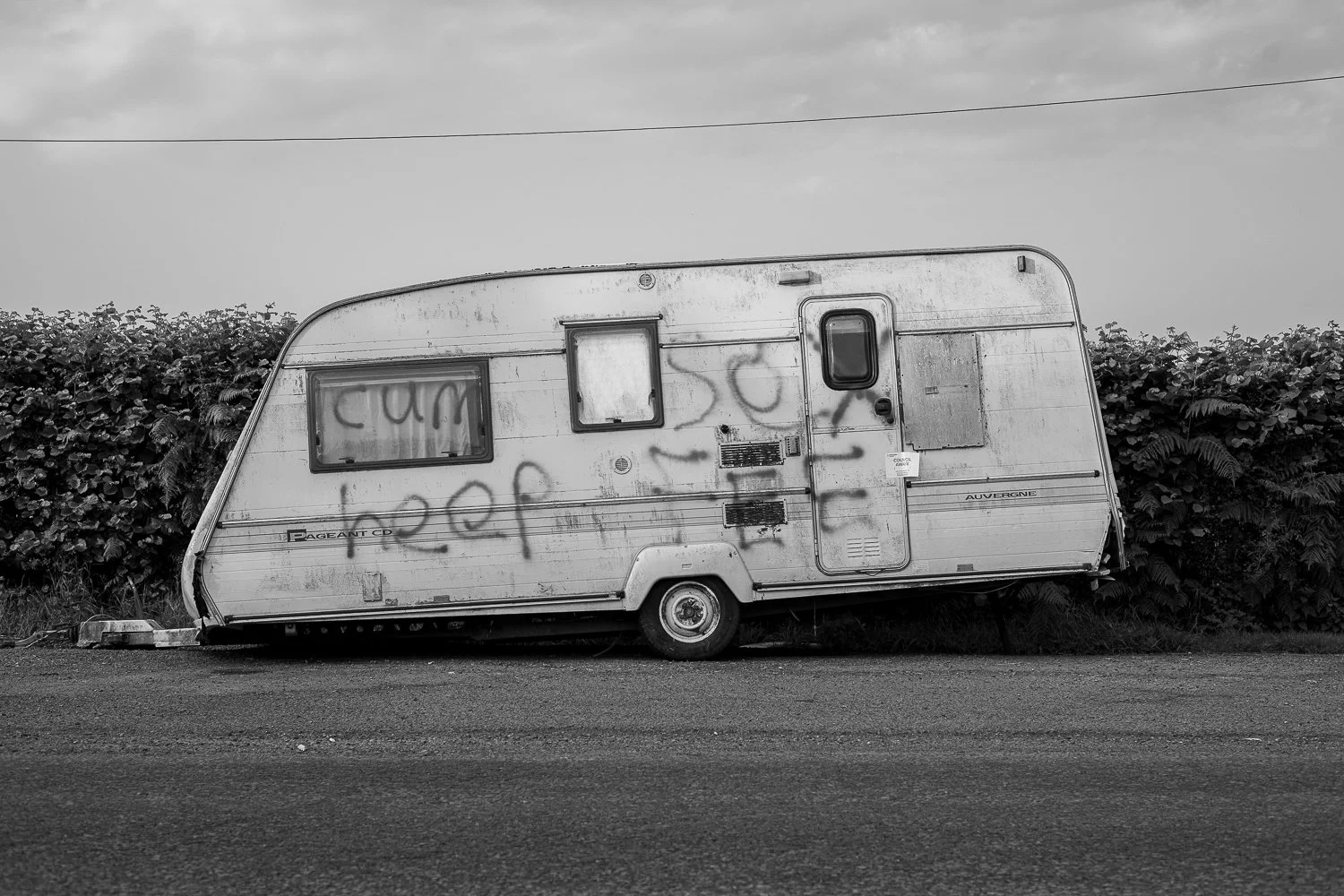
A never ending feeling of being watched.
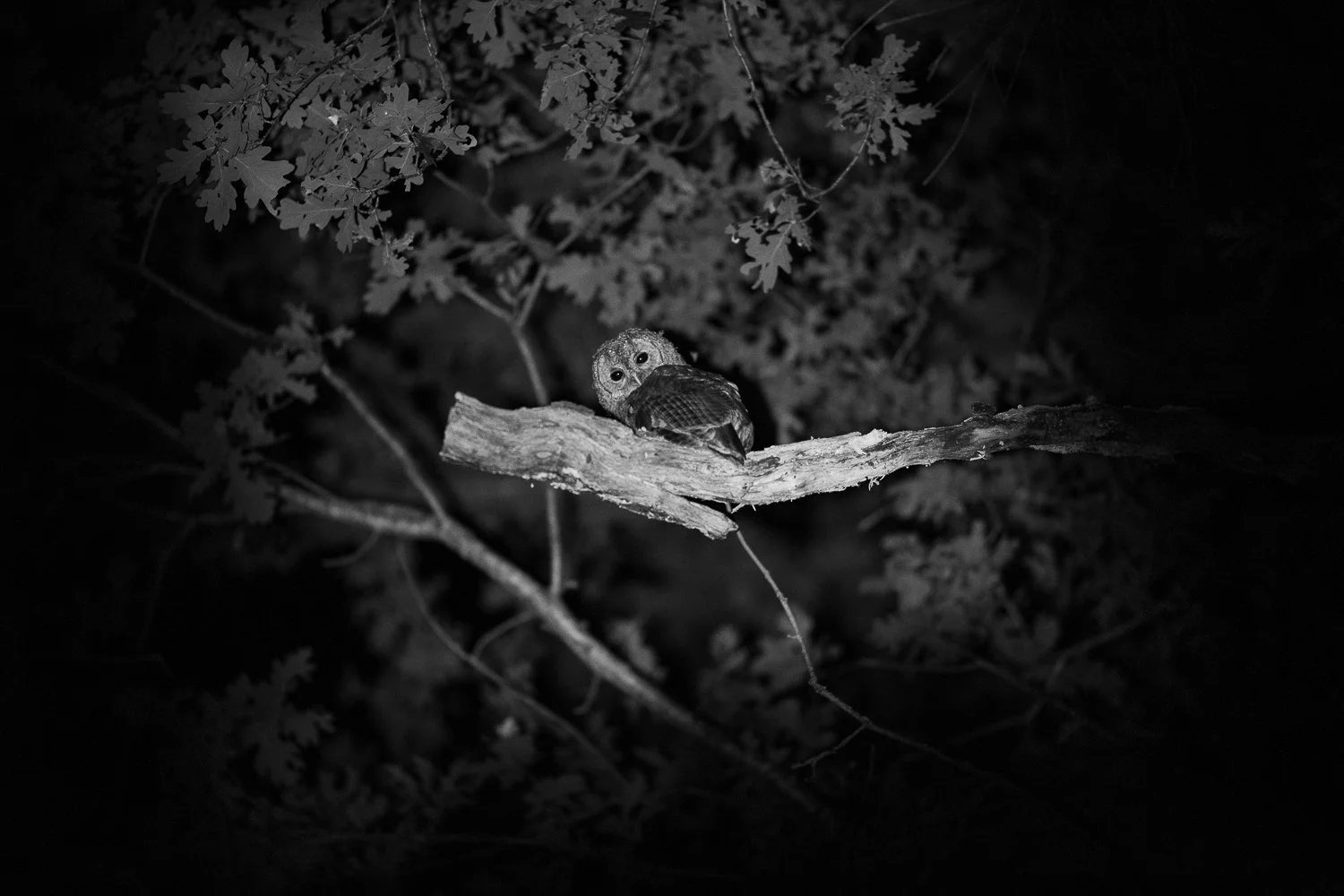
First night tried forcing myself to sleep outside but a huge dog sound from across the road up just into the trees caught something. Wandering around at night seeing if I can help a cry but it’s many owlets waiting for parents.
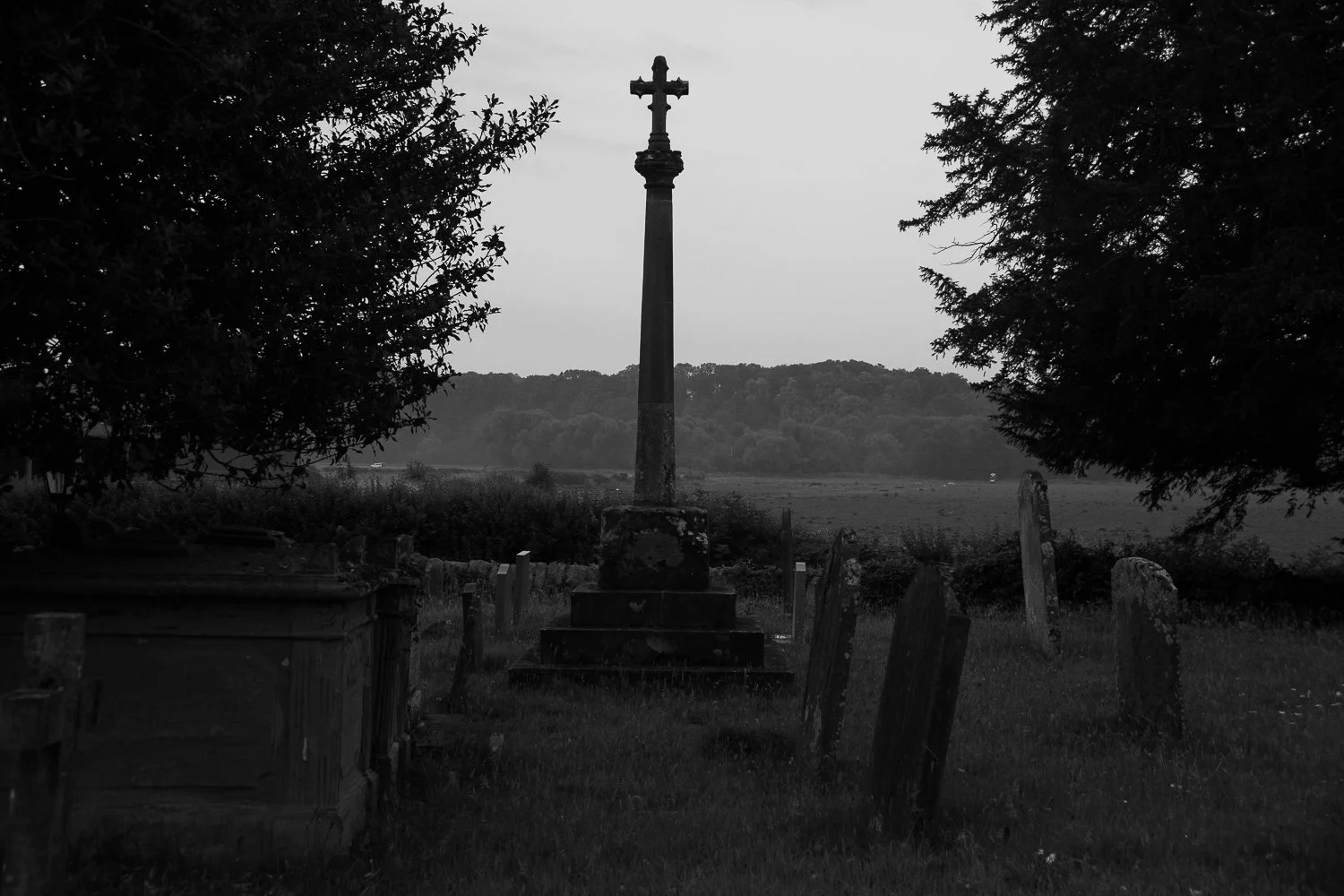
Awake before pickers, too soon for the church.
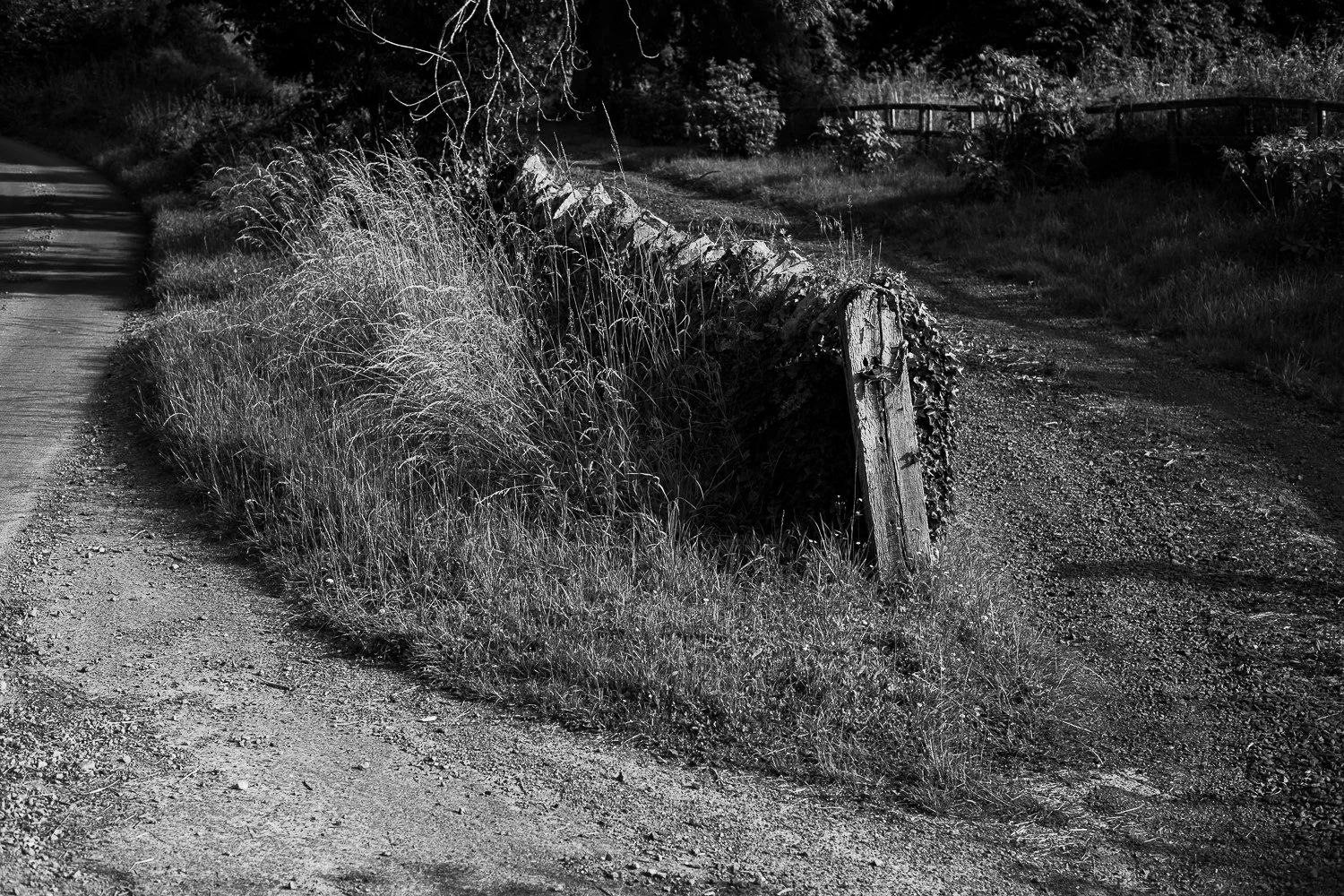
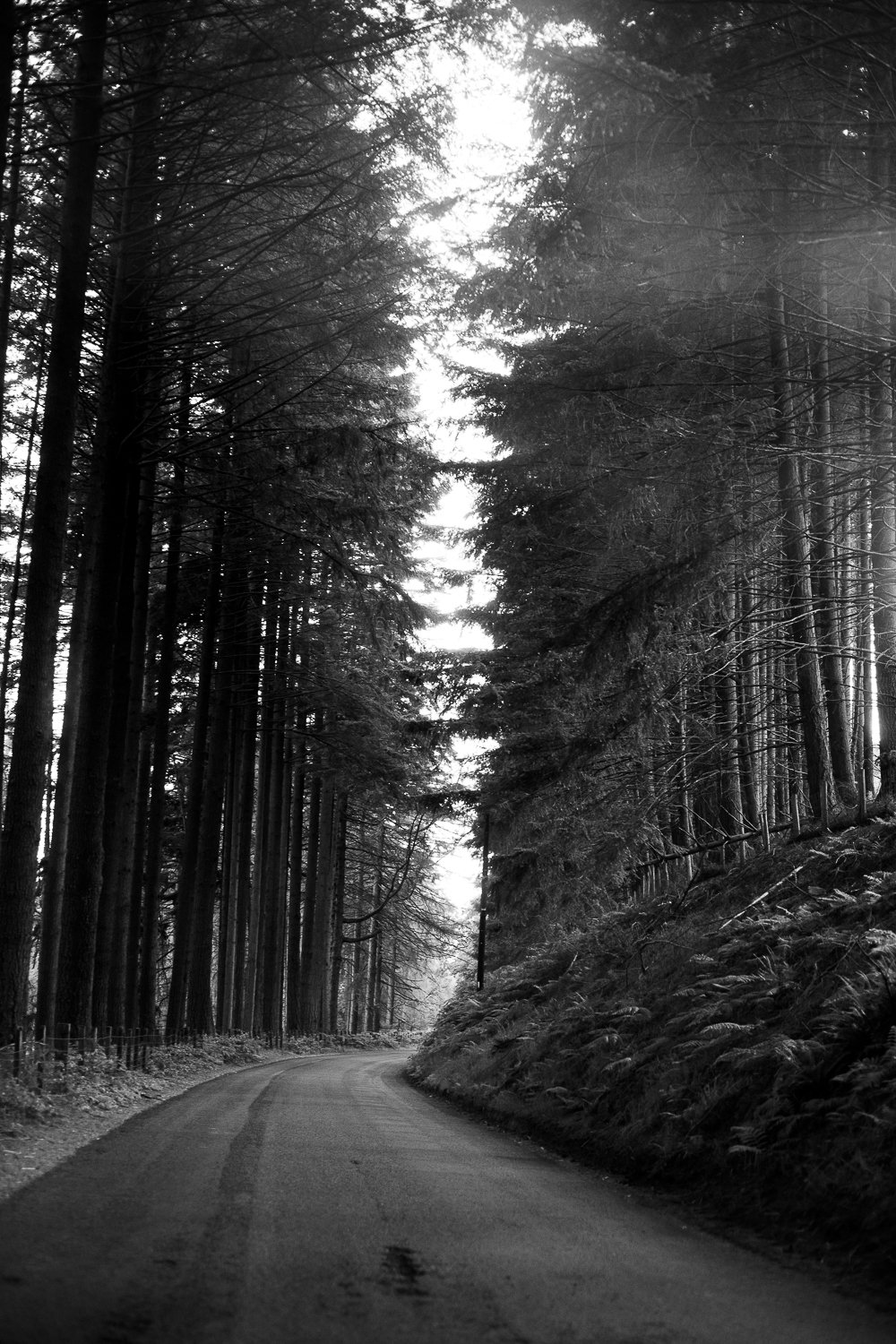
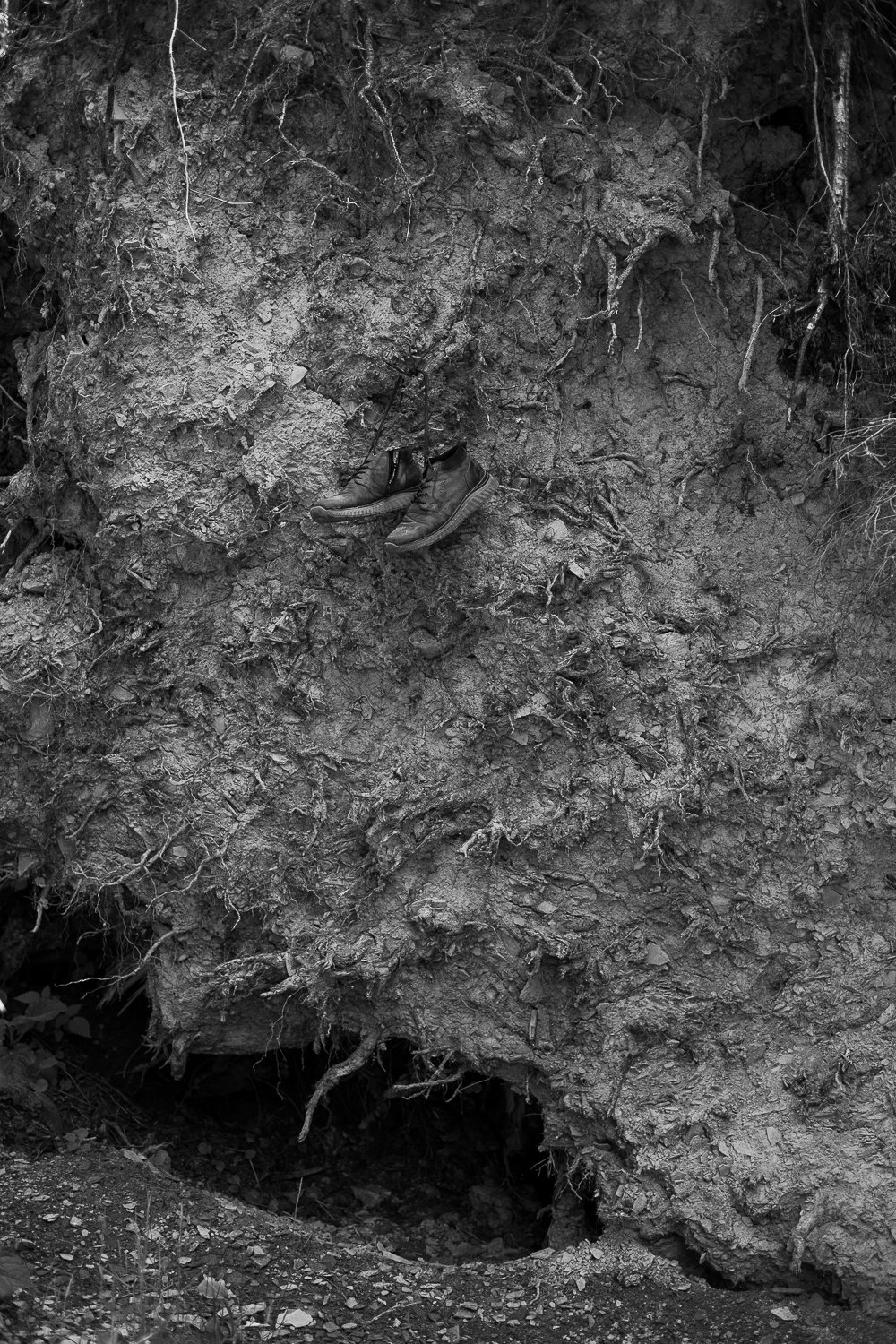
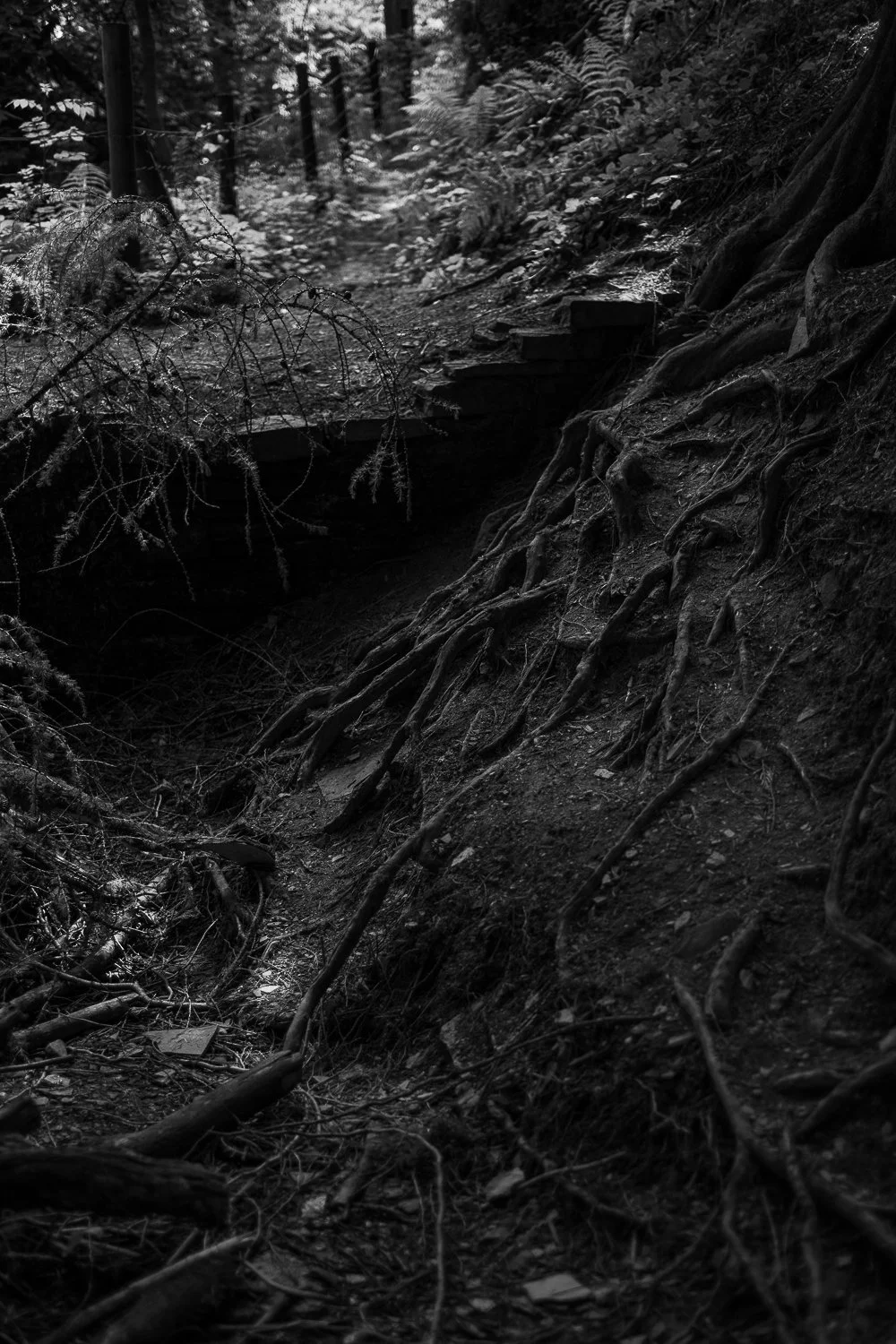
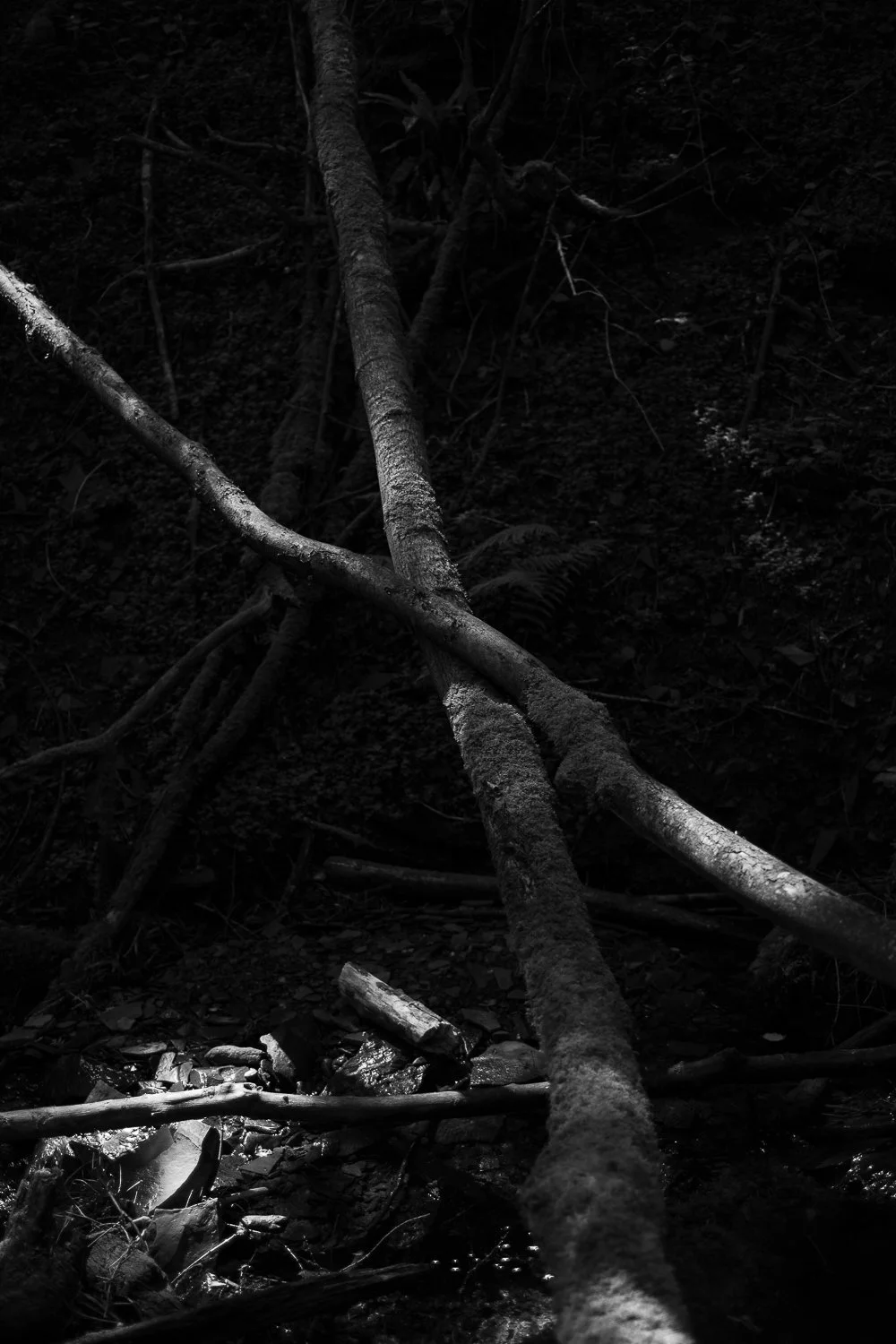
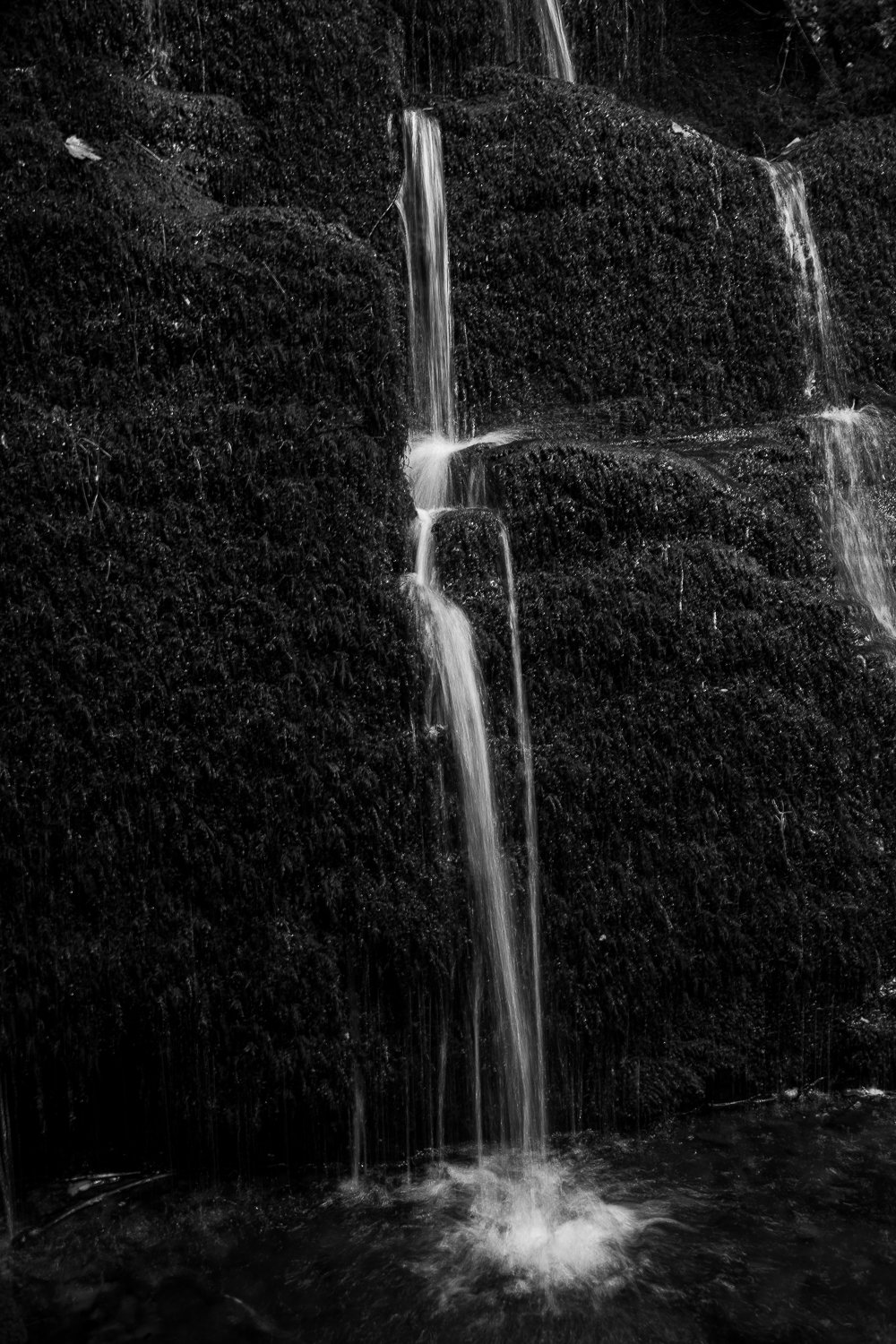
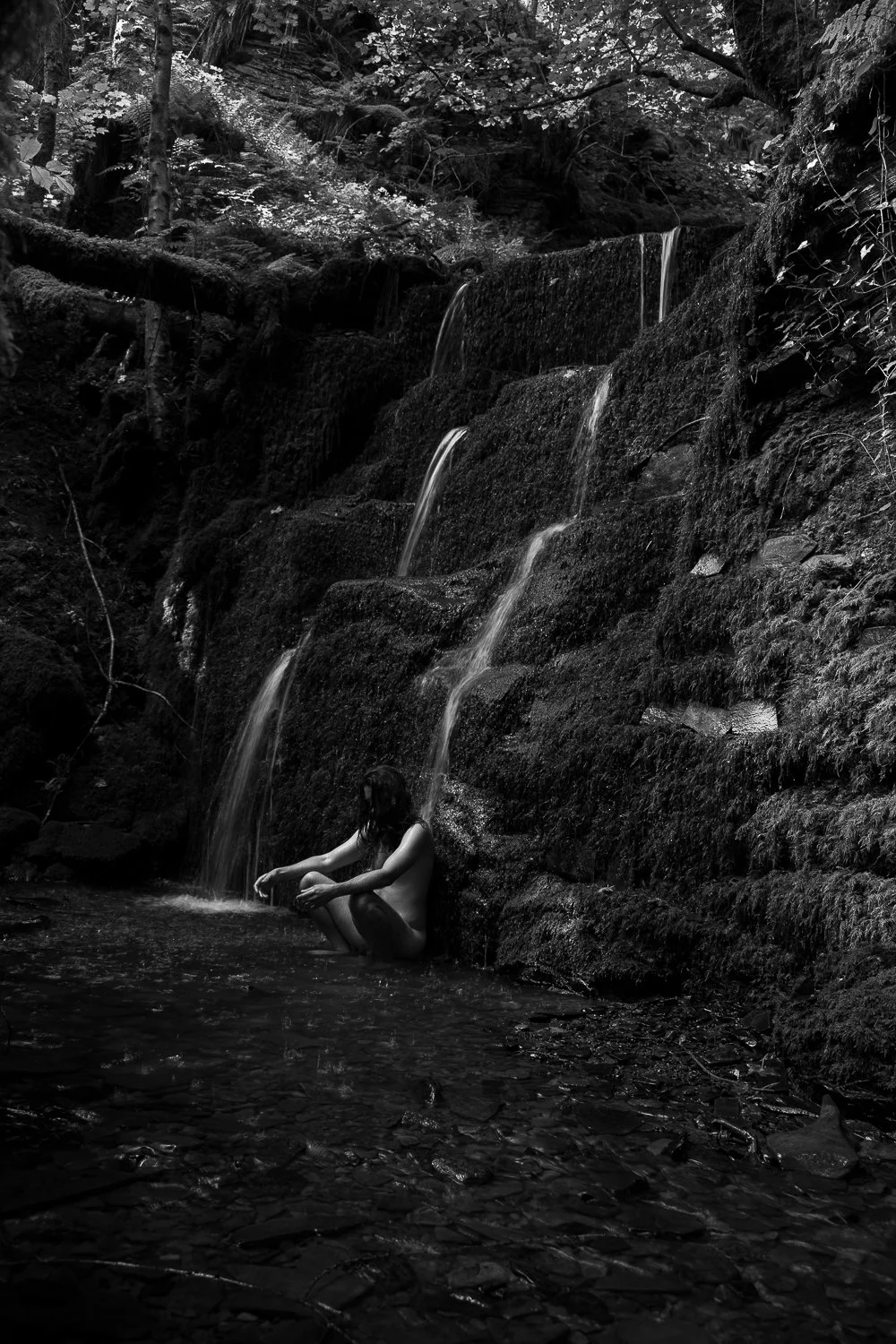
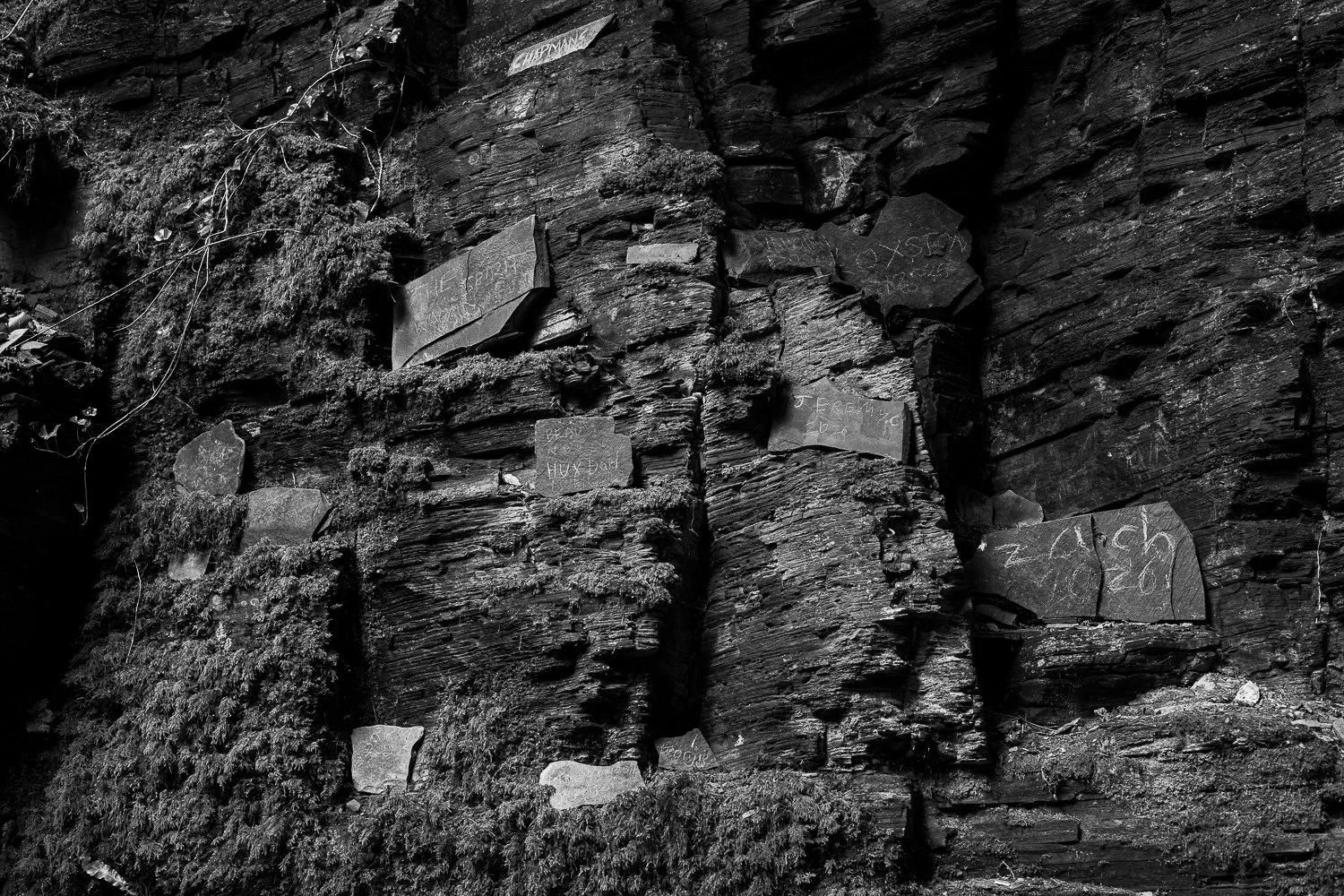
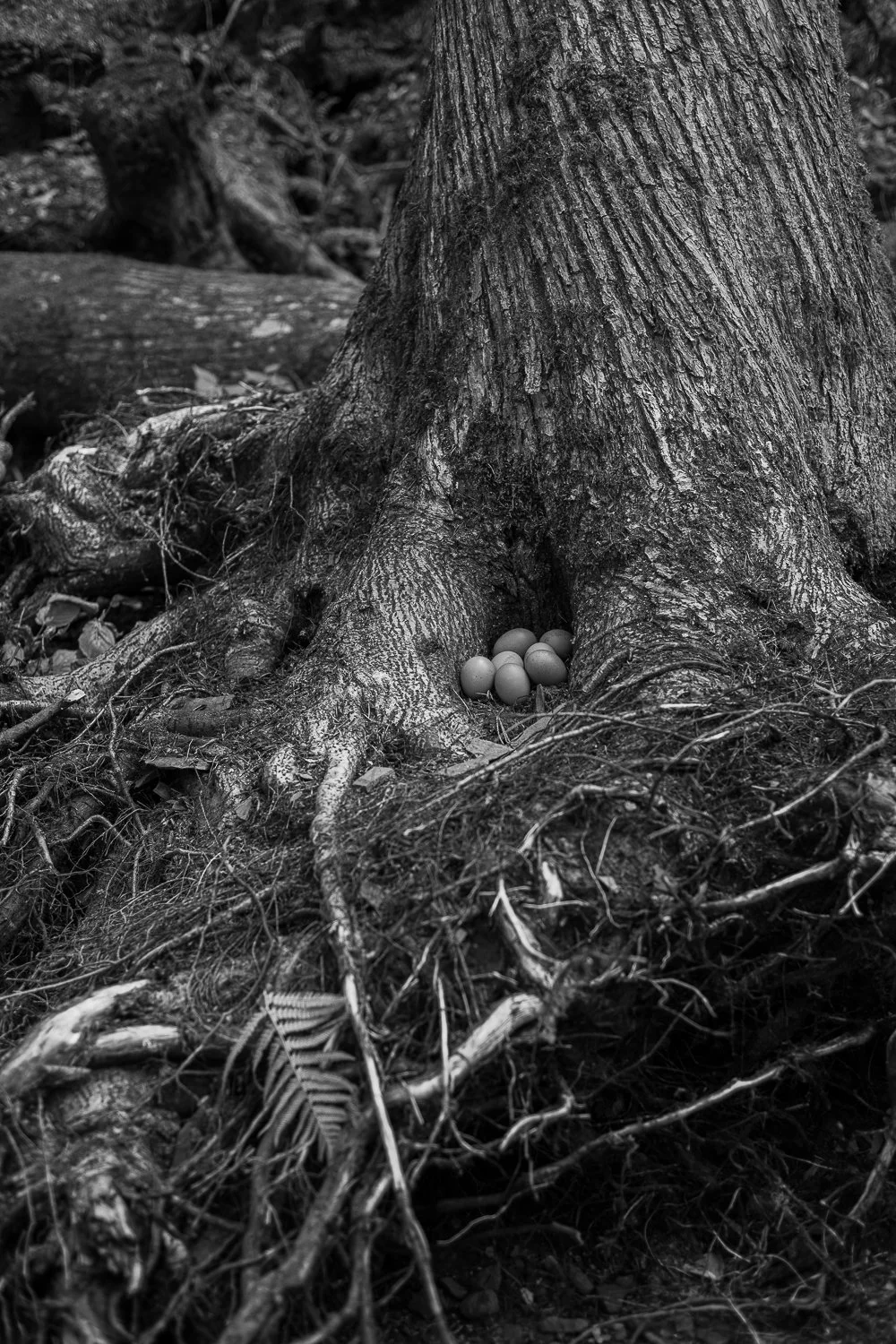
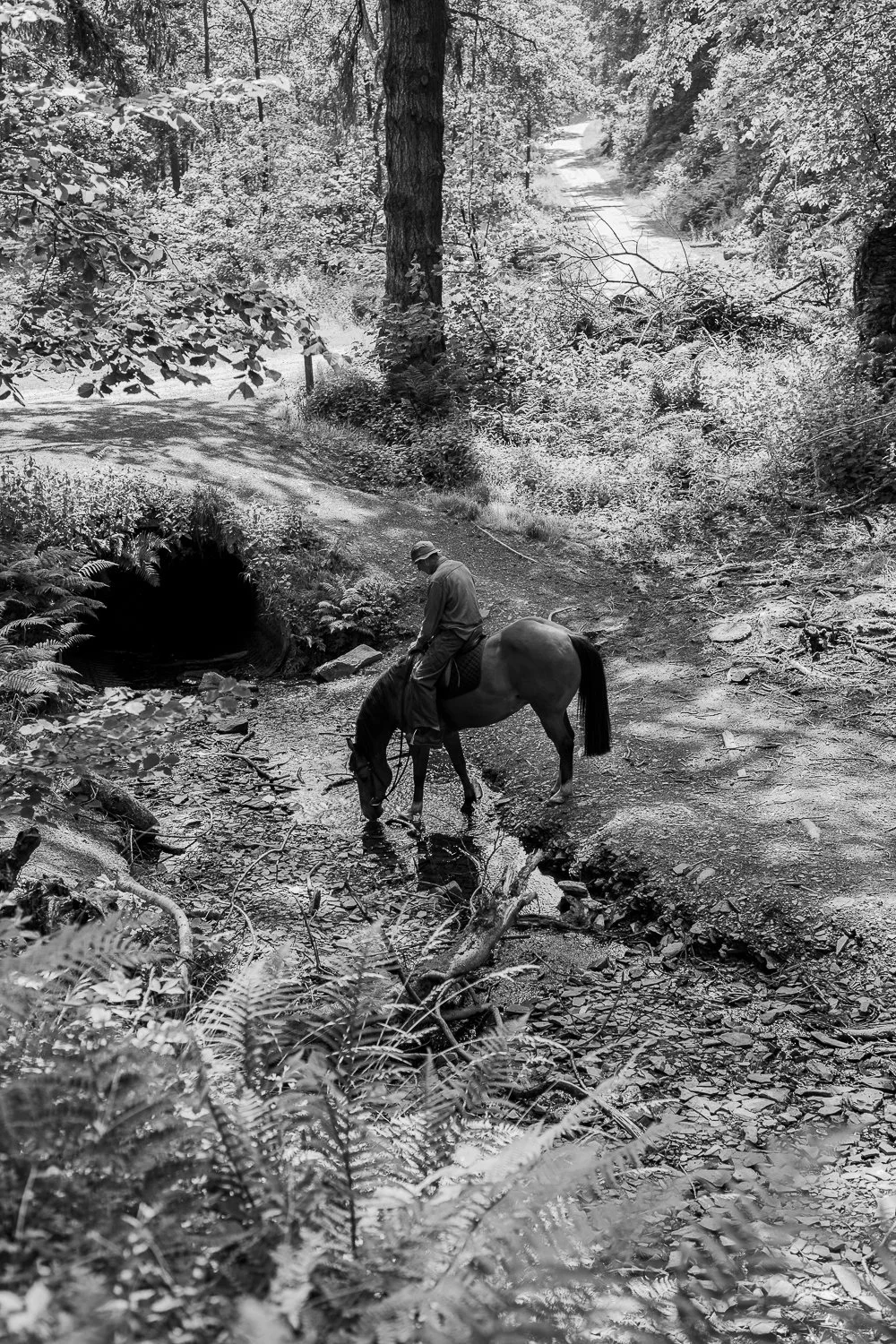
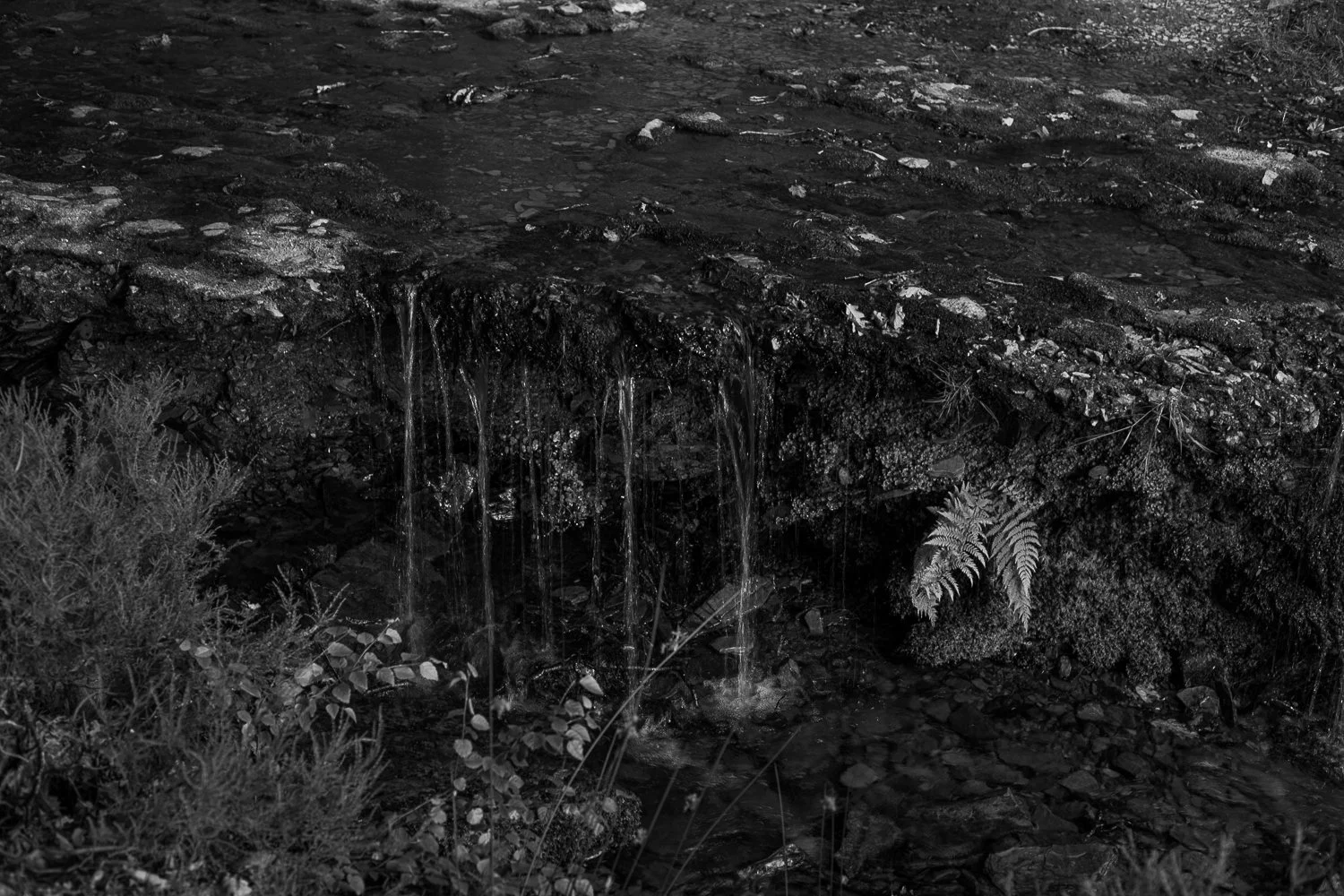
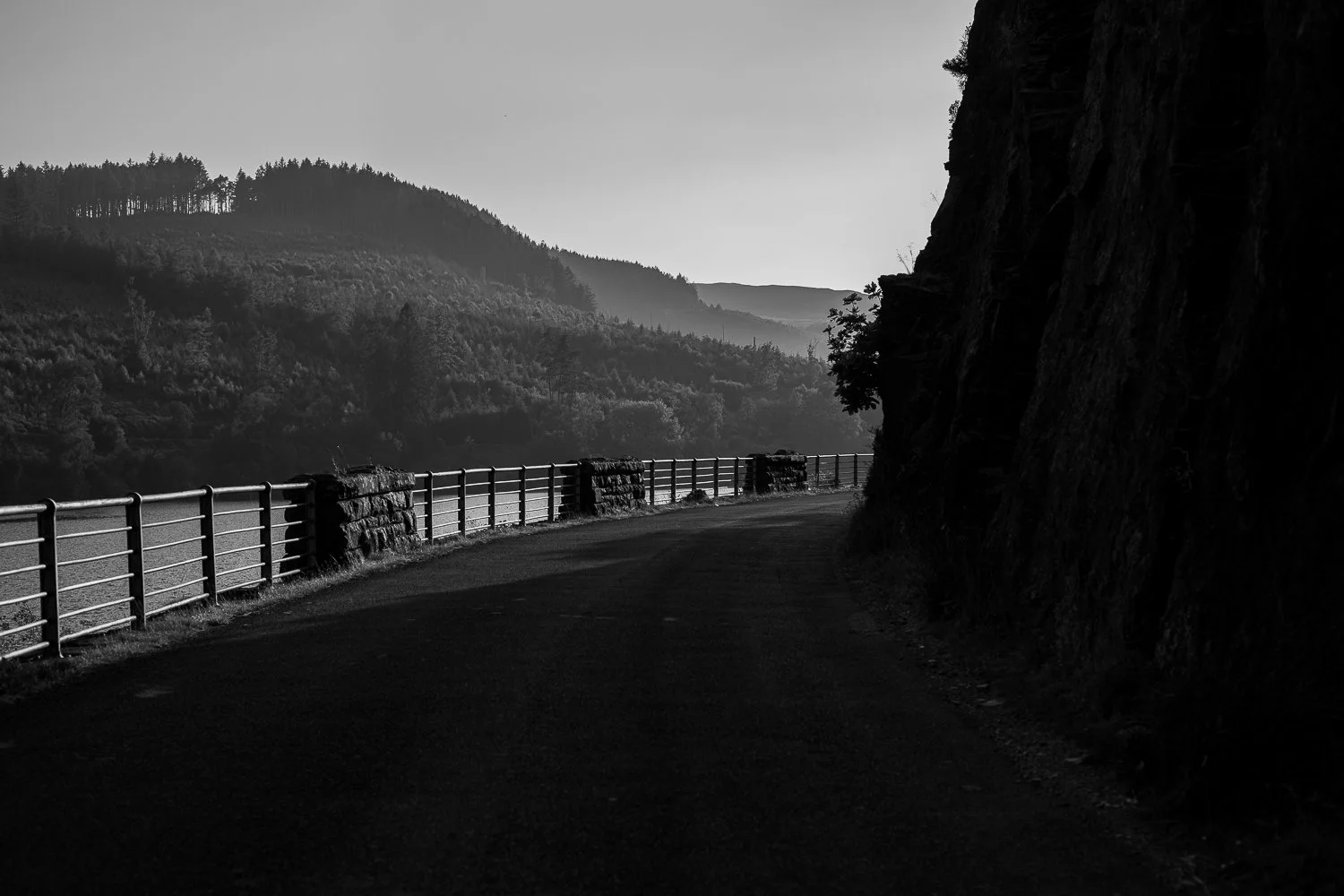
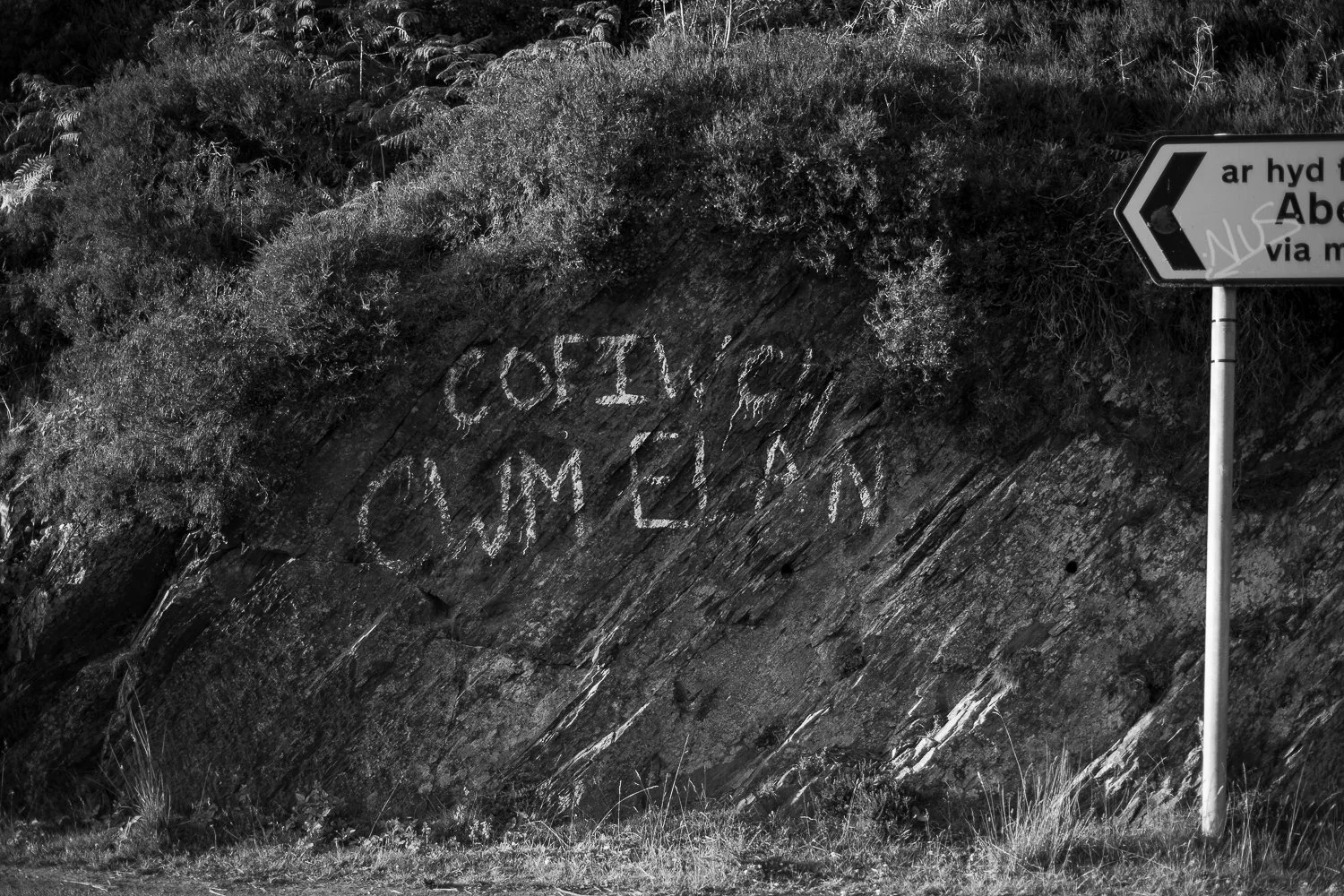
COFIWCH CWM ELAN [Remember Elan Valley]
Later I found out that between 1893 and 1904, these reservoirs flooded homes, farms and communities to supply water to the growing city of Birmingham.
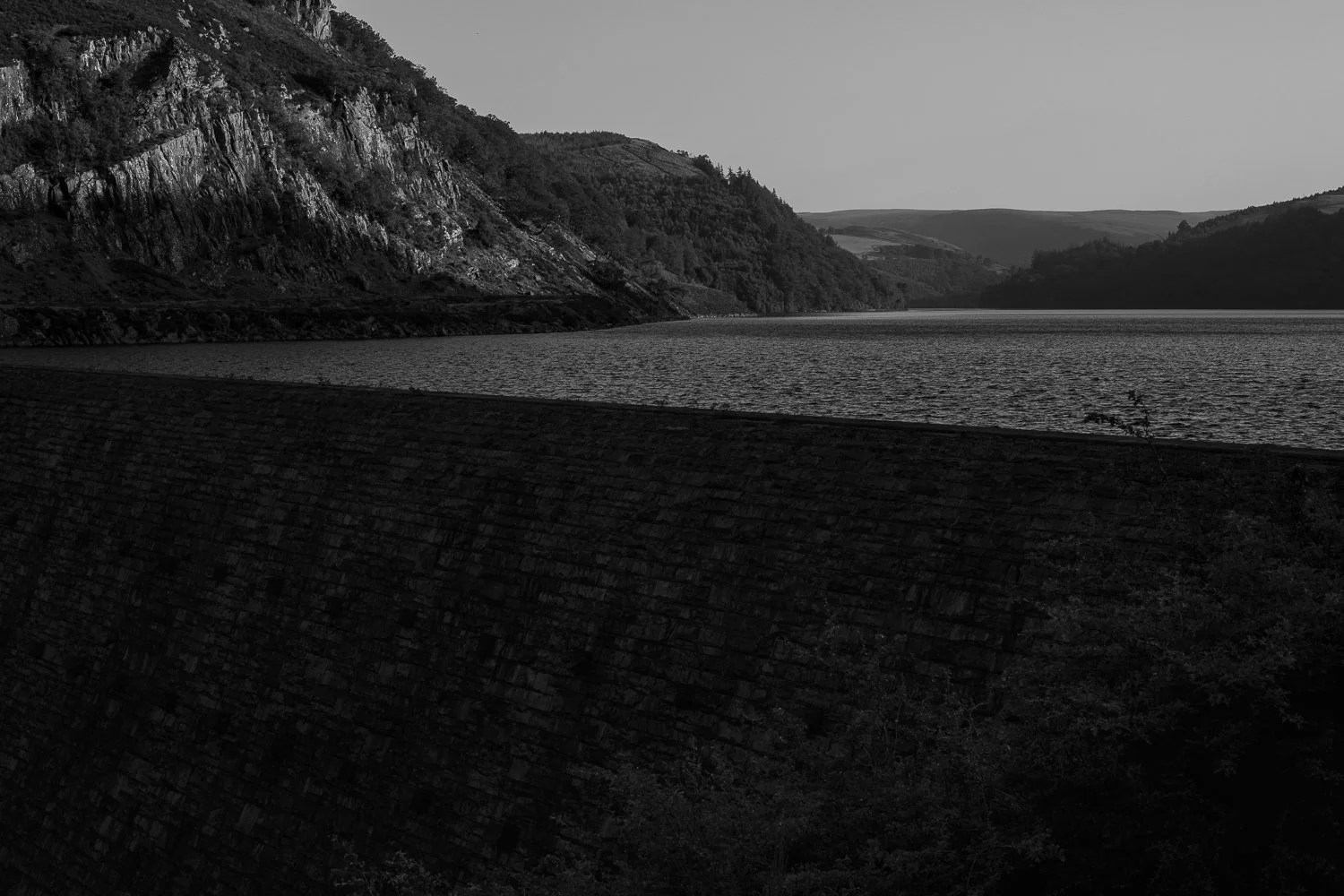
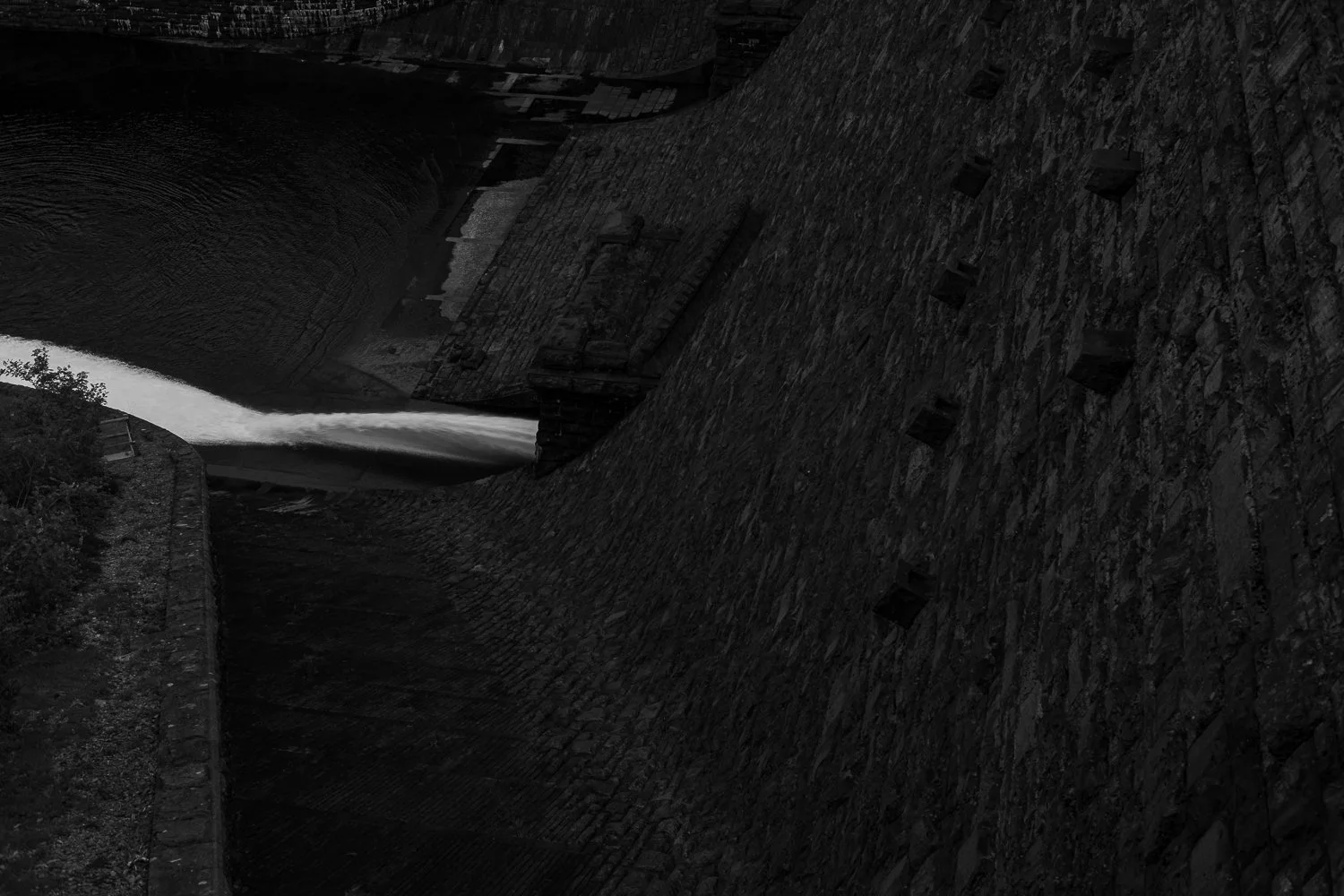
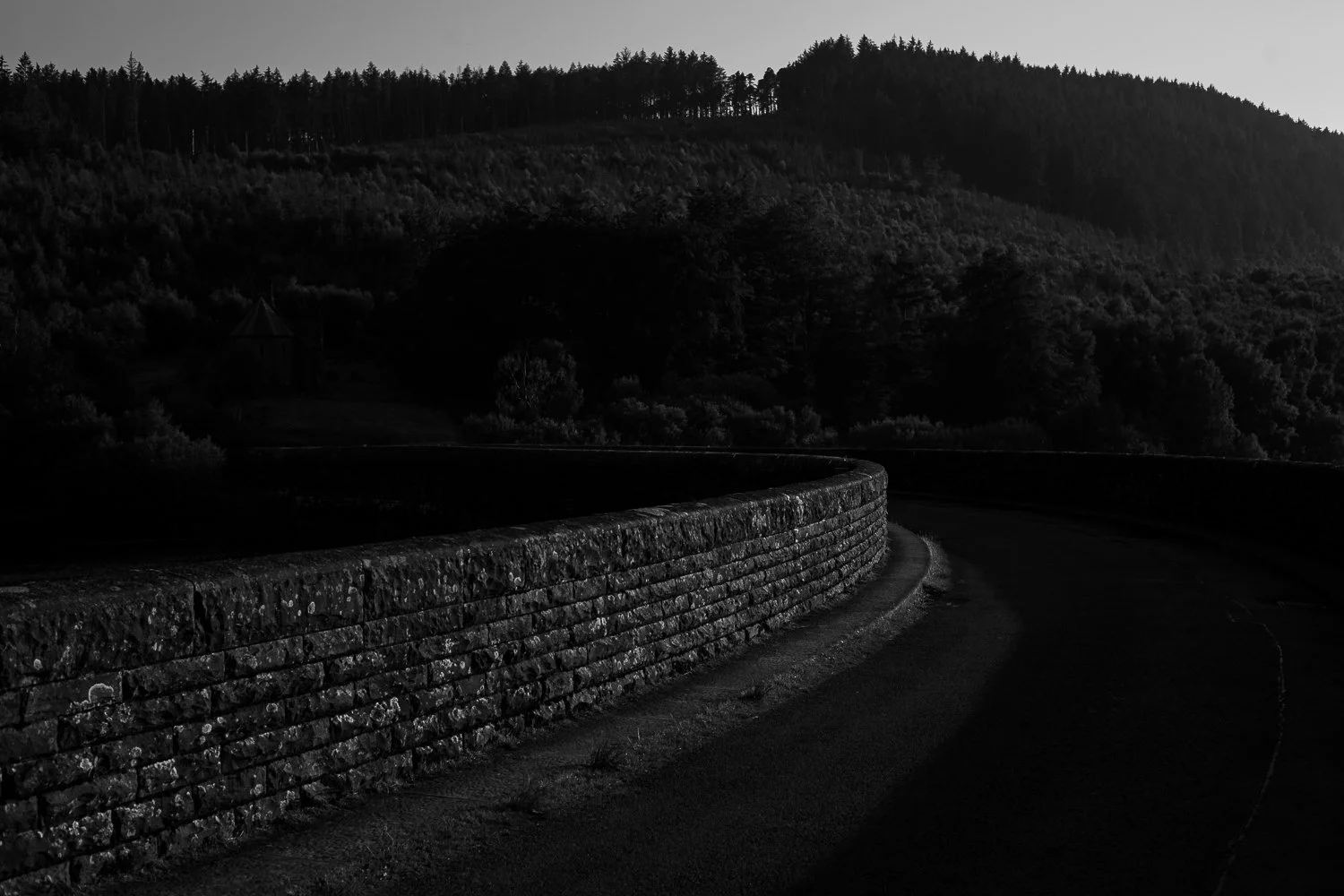
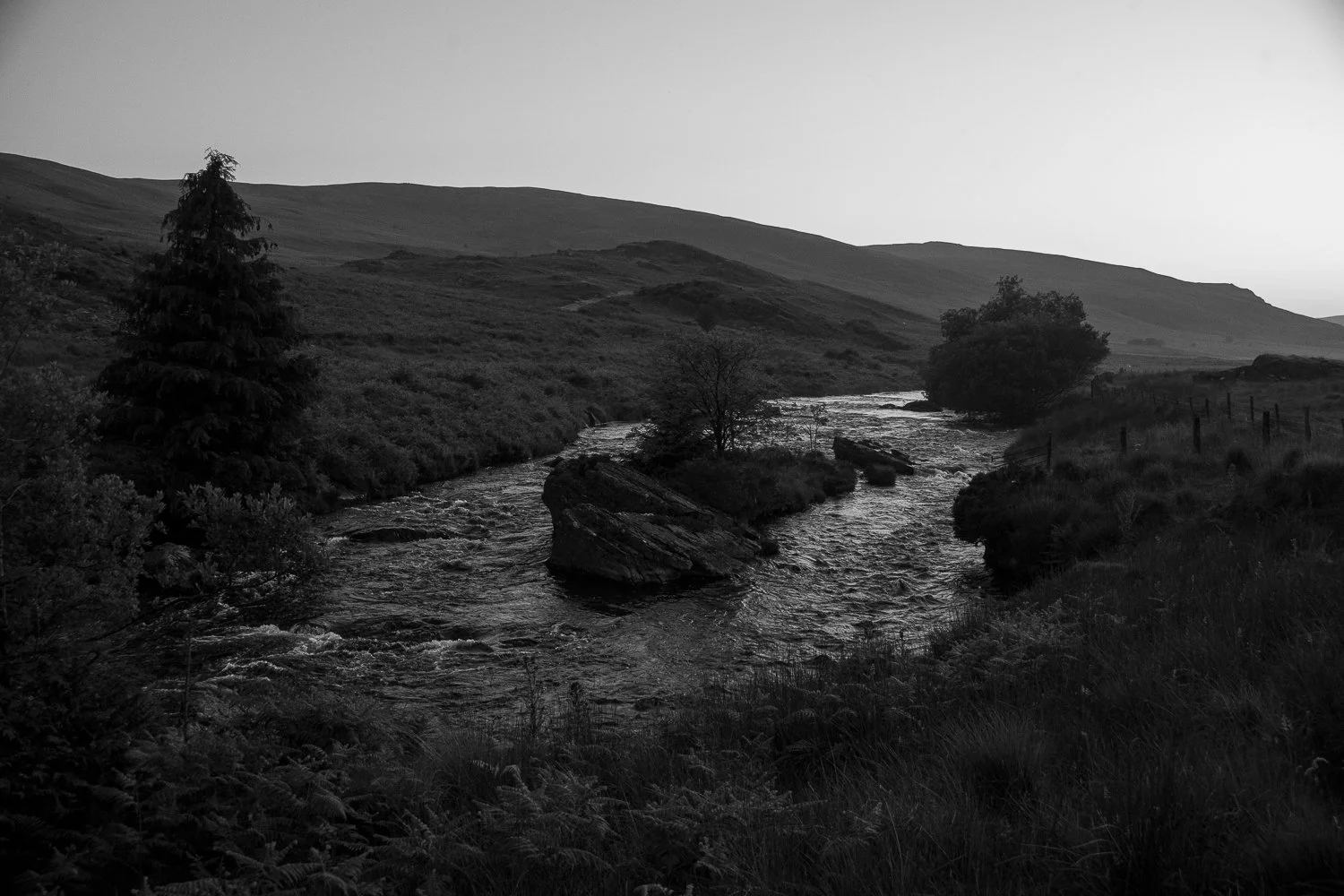
Signs telling me to keep away as there have been mortalities here.
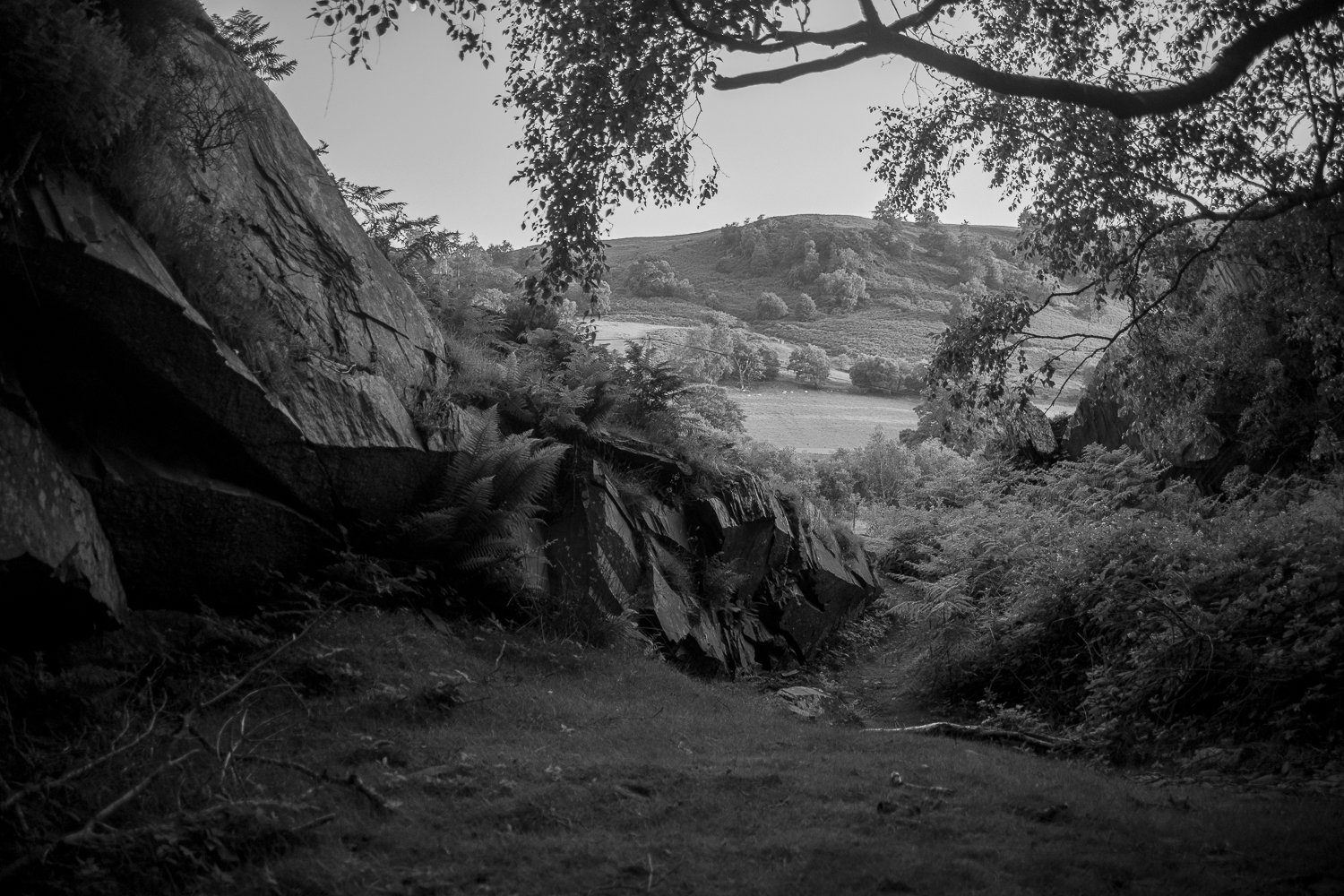
I shouldn’t be here. Someone’s blearing their horn down on the road and they’ve called the police to take me away.
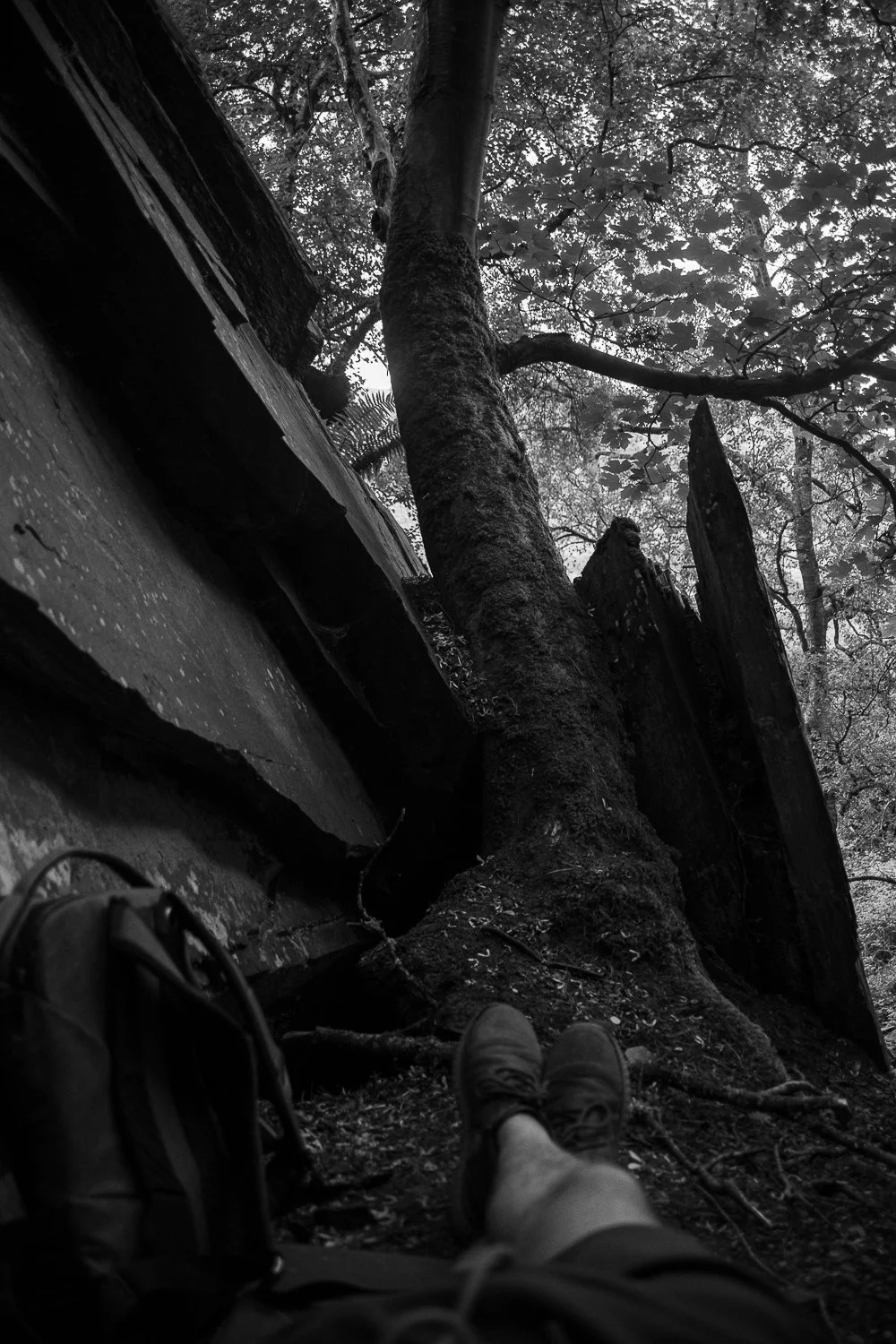
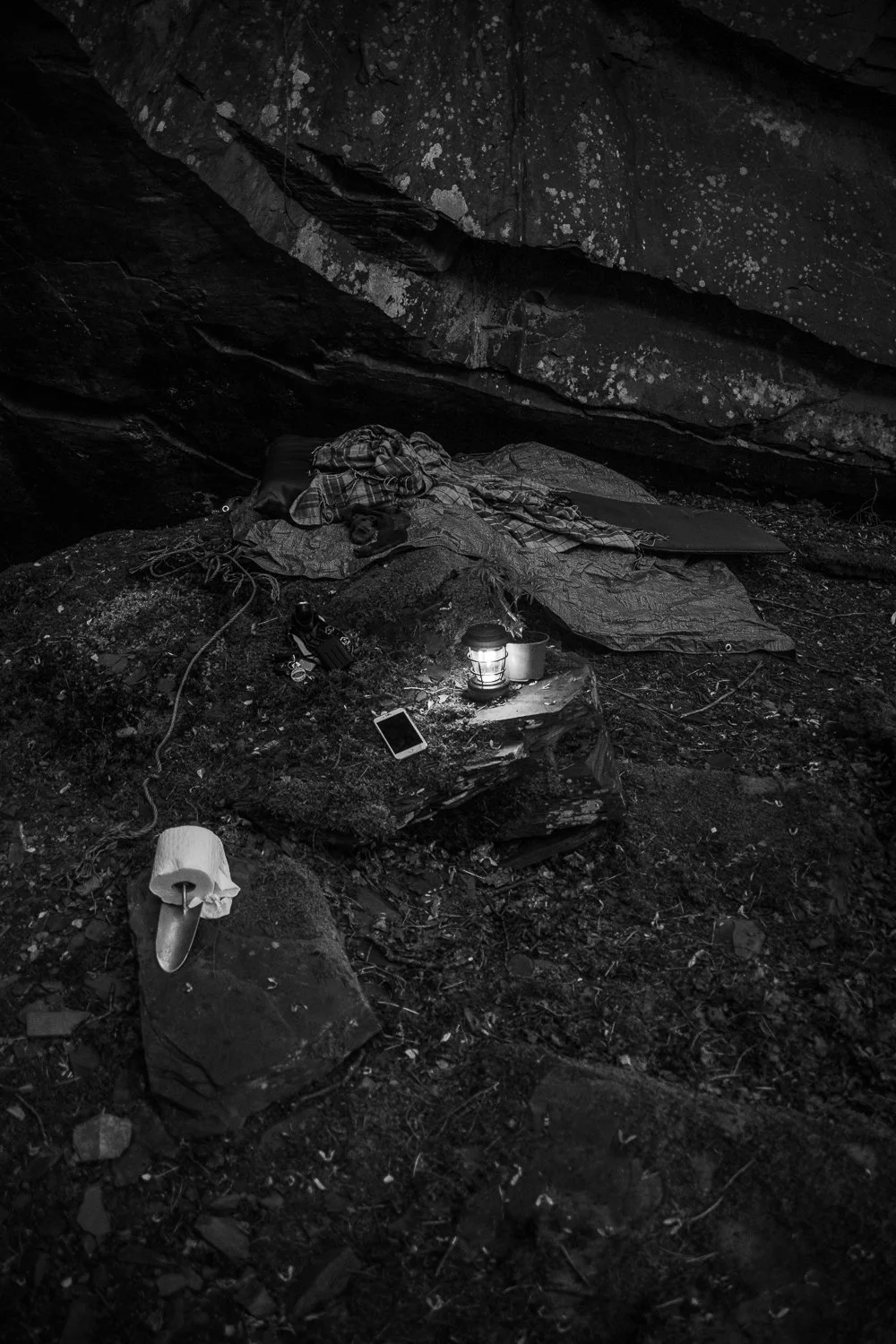
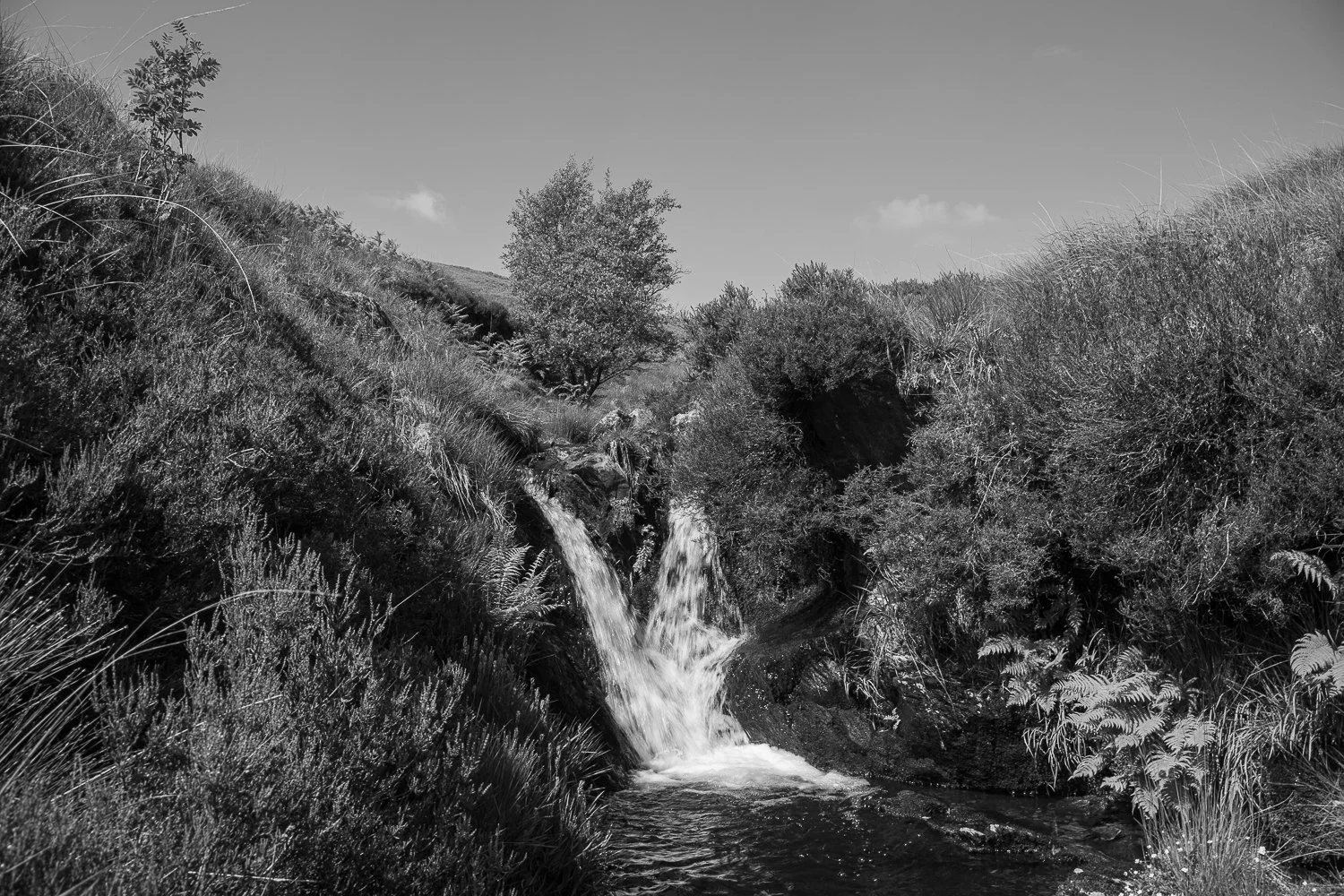
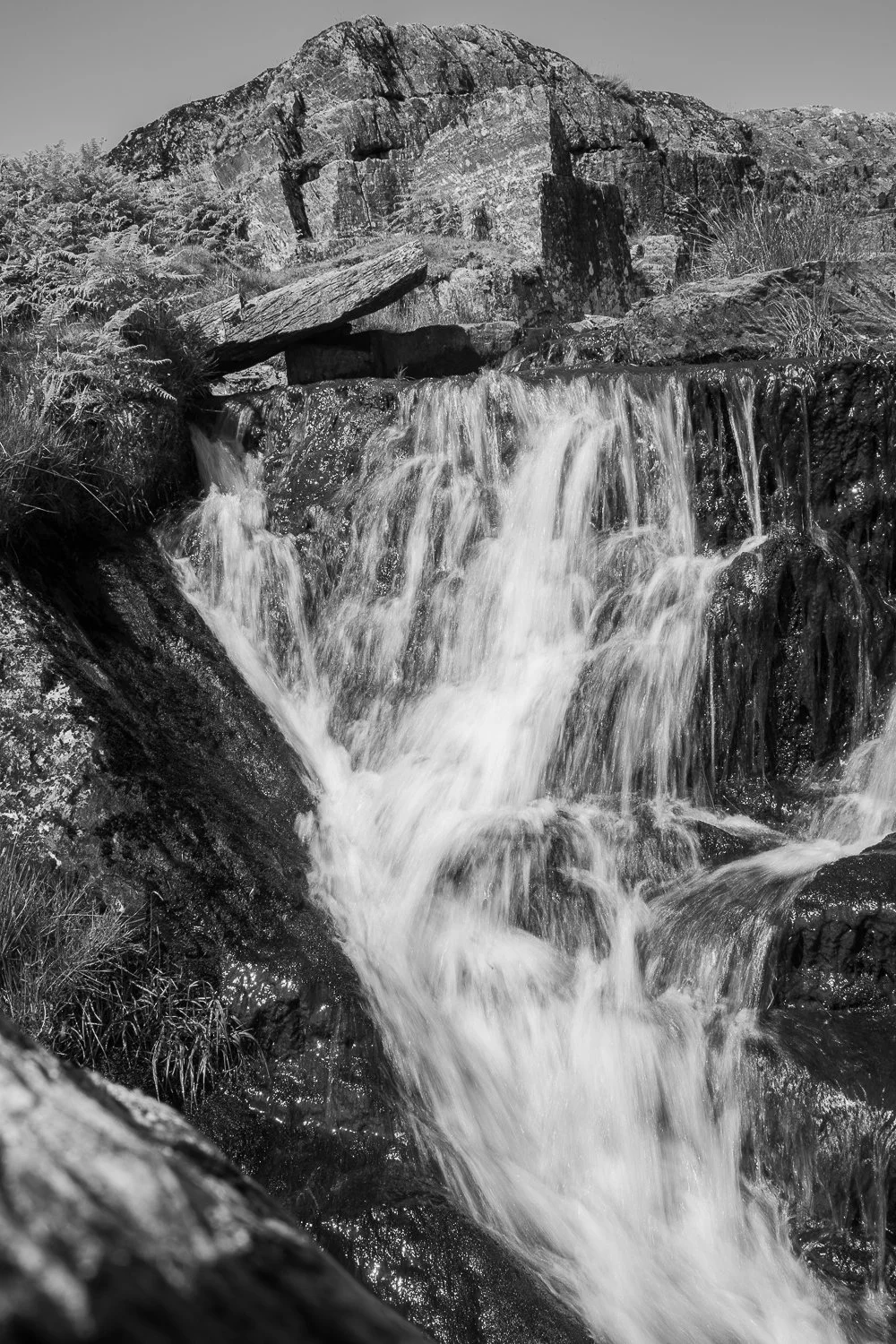
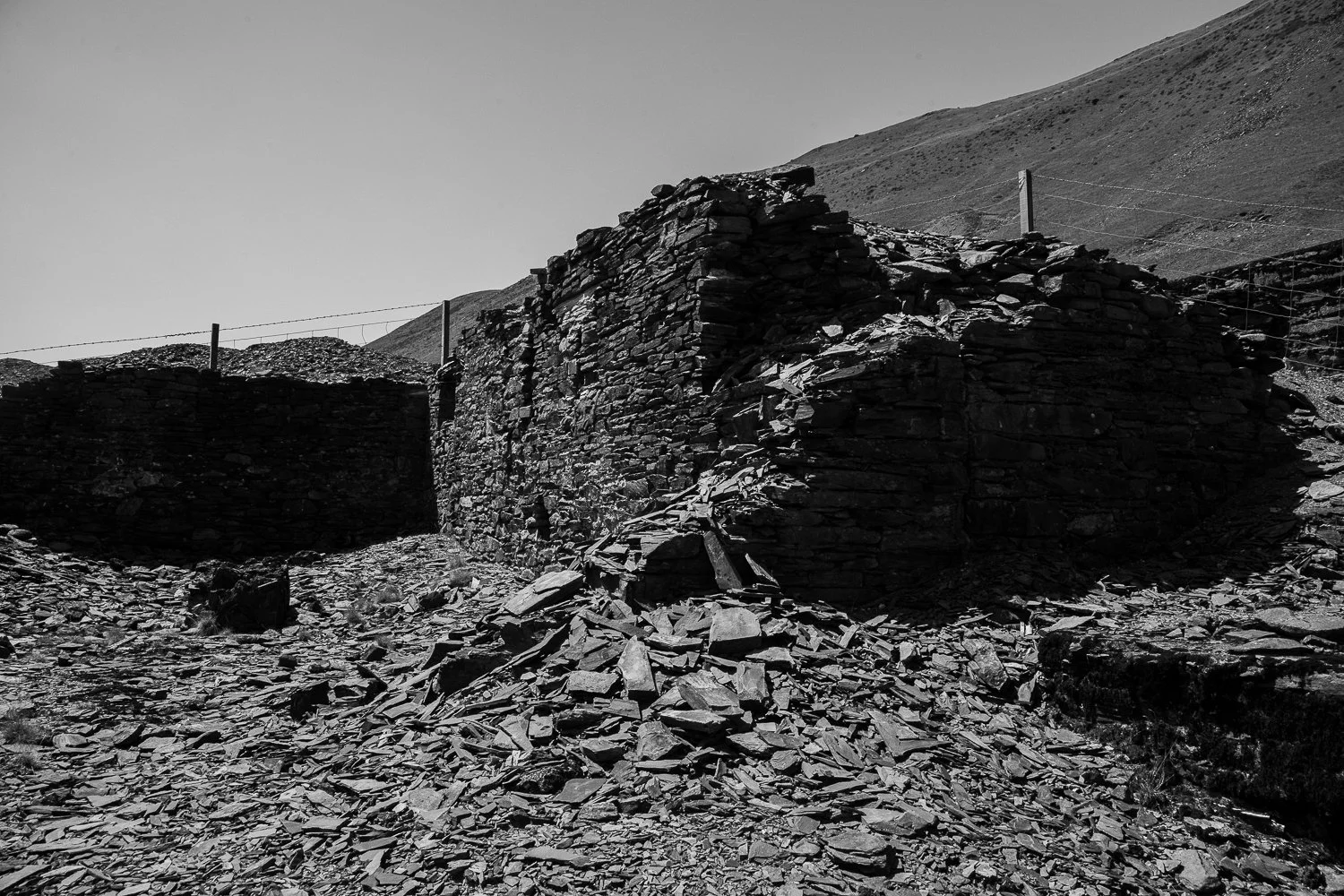
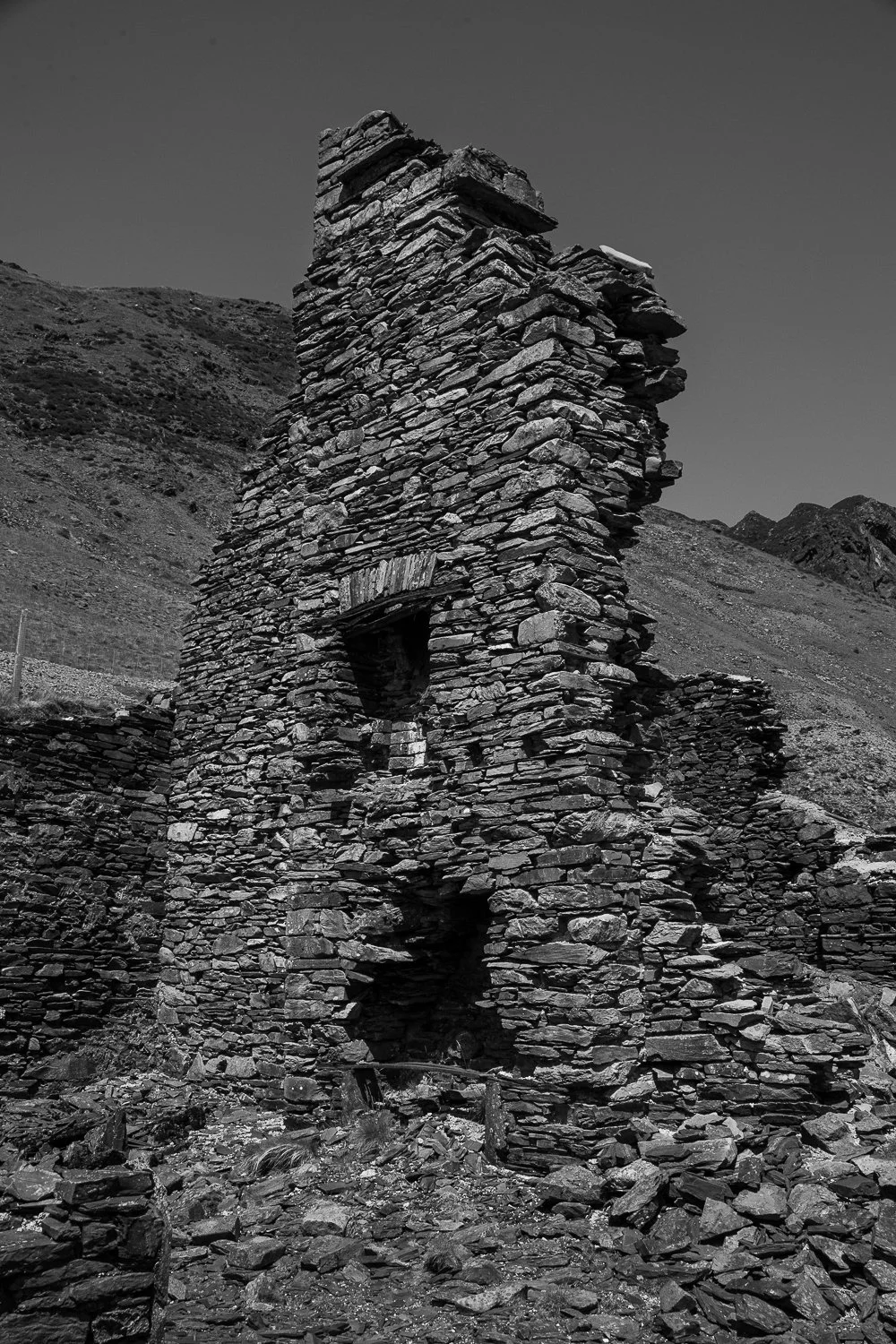
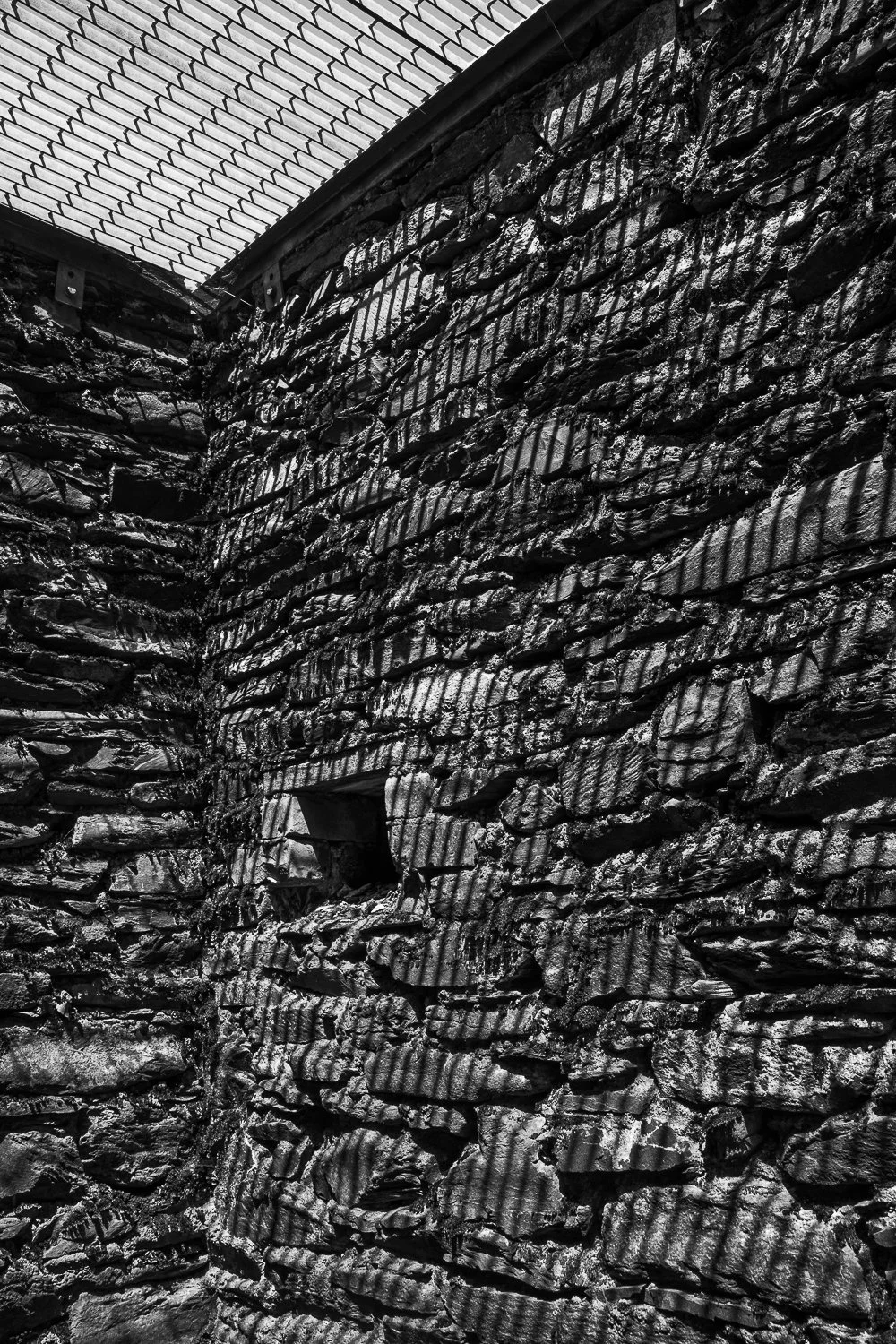
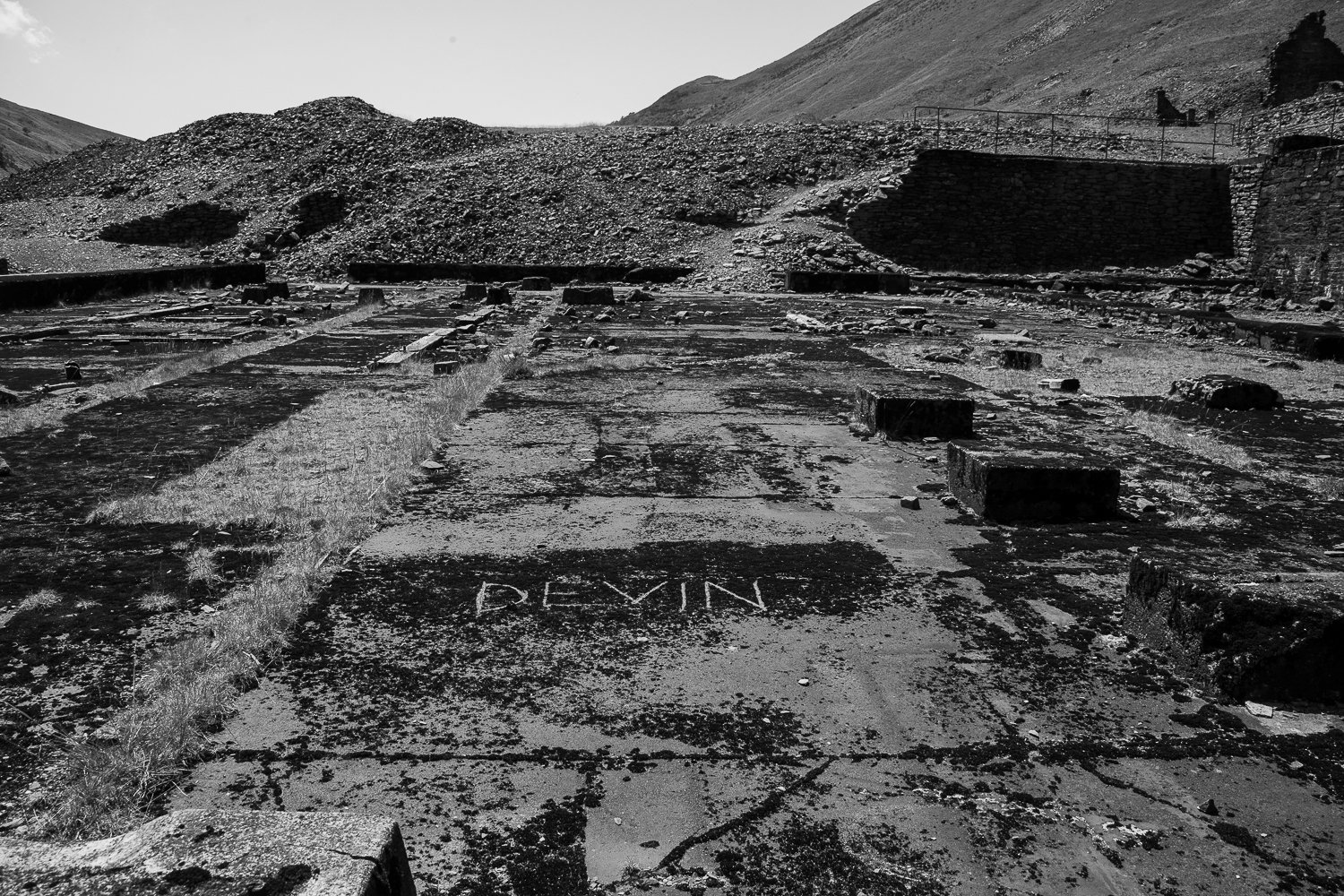
Further up into the mountains are the remains of an old lead mine. I learn from a Welshman that while people had mined lead here for centuries, Victorian industry expanded the workings so extensively that heavy metals still pollute the water I’m sitting in.
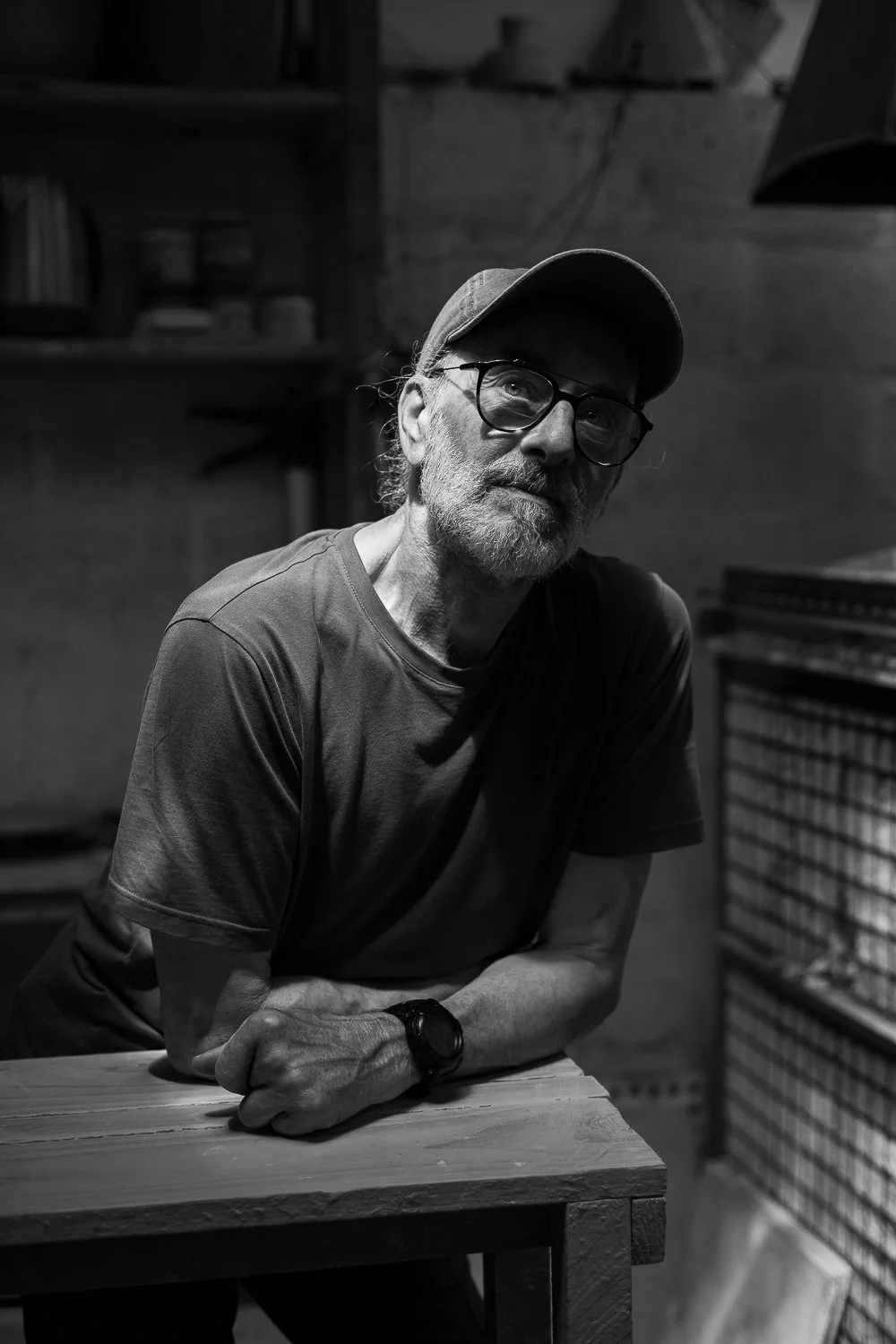
“Talk nicely to yourself - your body believes you.” - Duncan
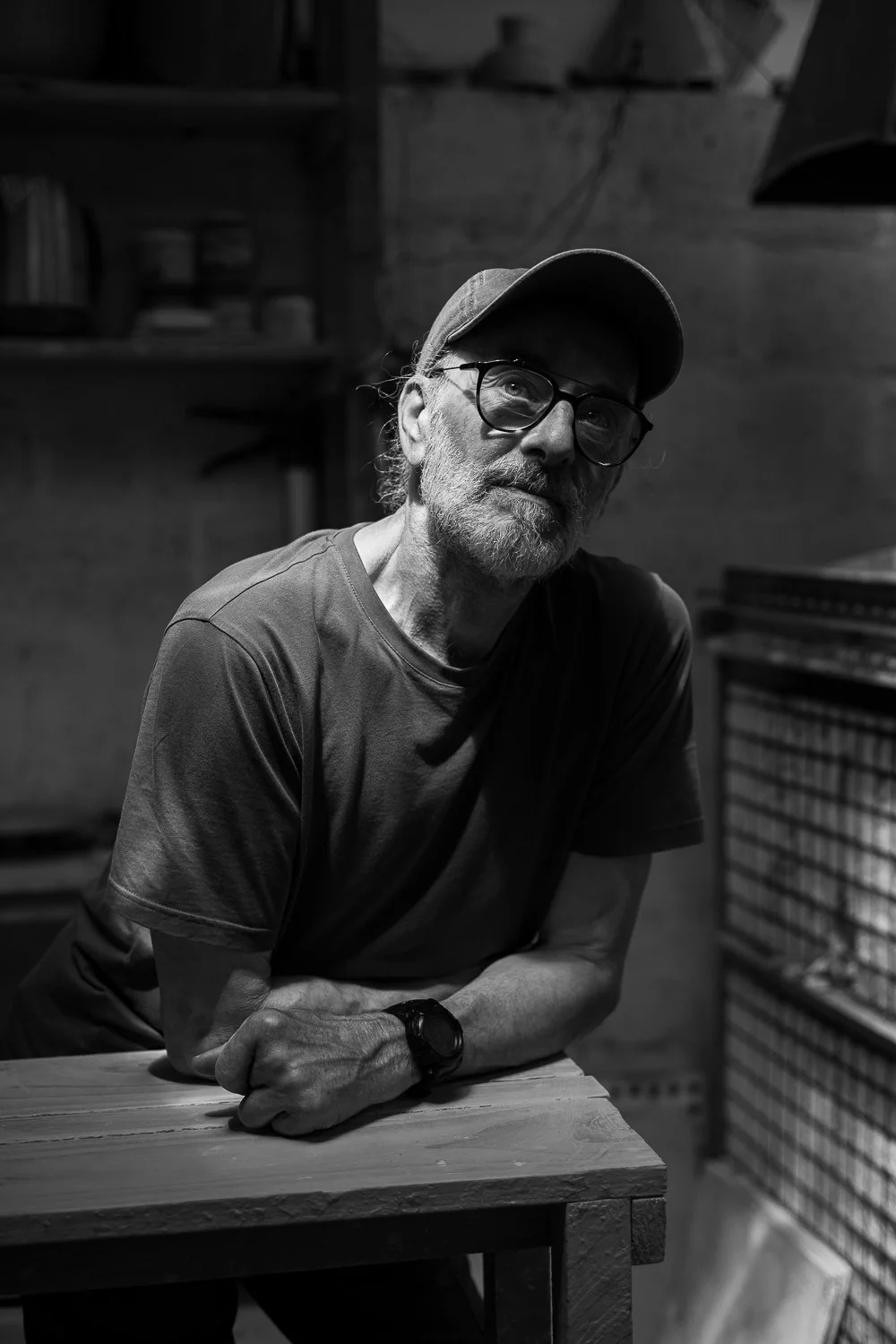
I meet a potter while lost in the mountians. I drove back and he finally said yes when I promised to delete the photograph if he didn’t like it.
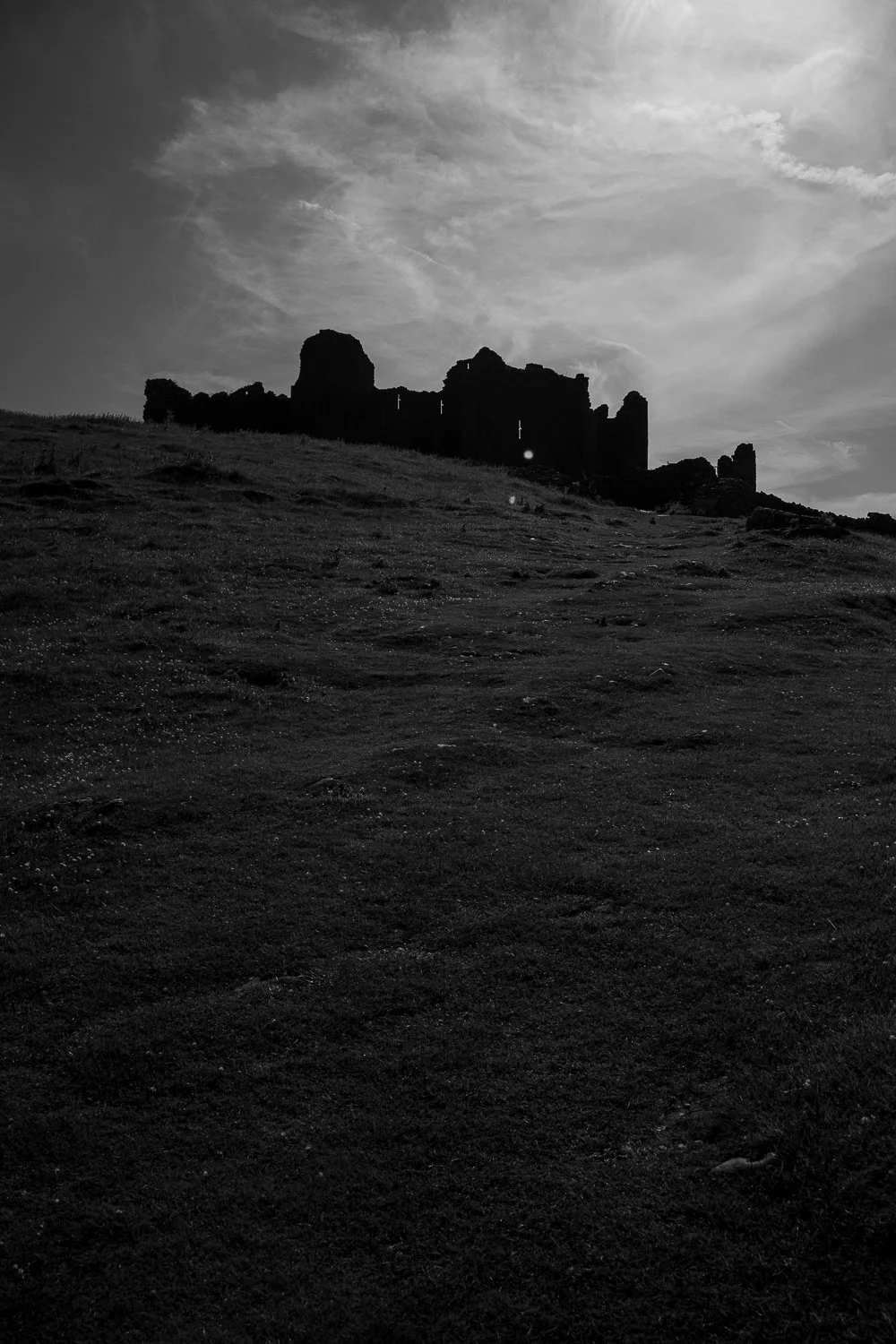
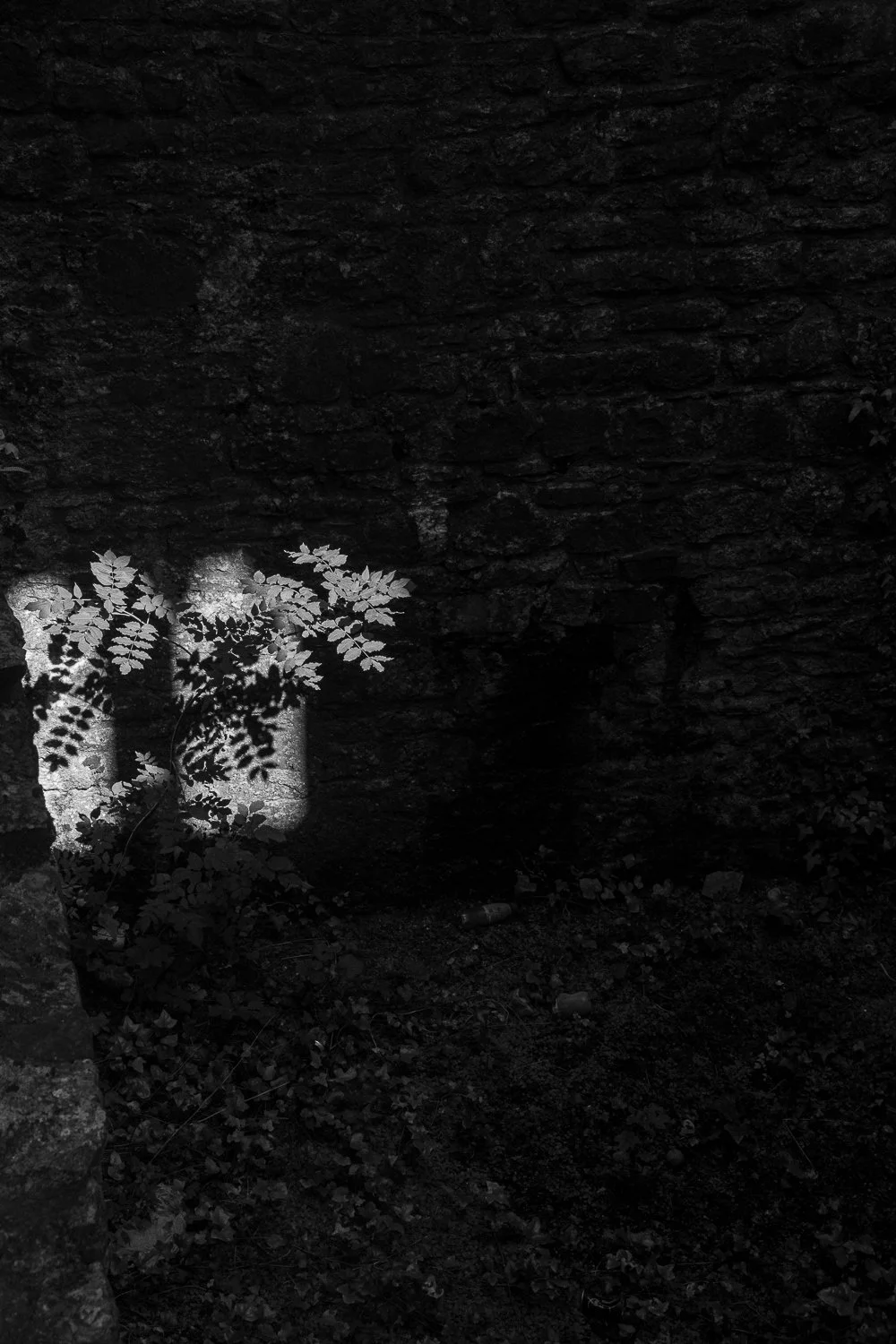
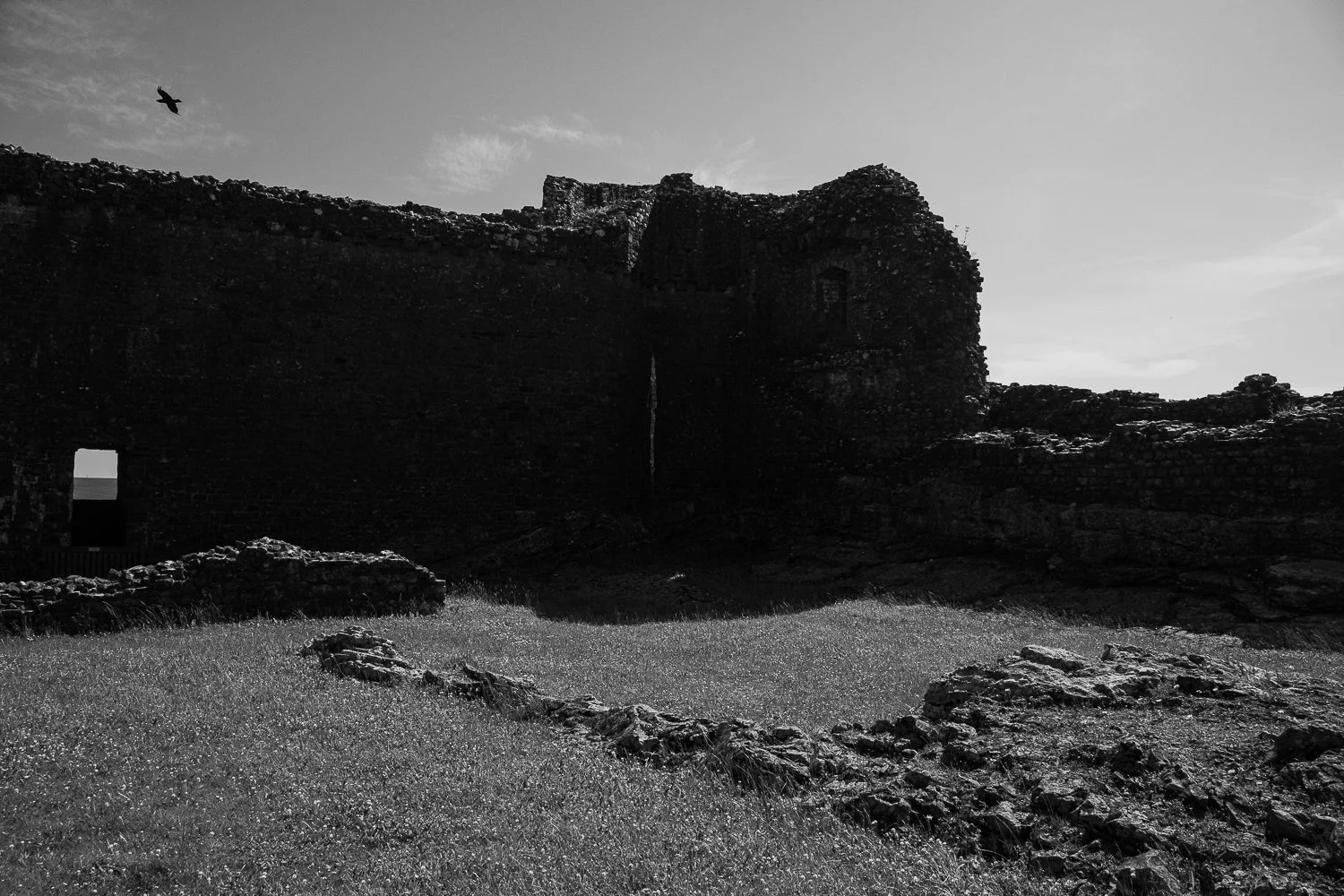
38ºC alone on a beacon. Red heat warning - someone told me some days later.
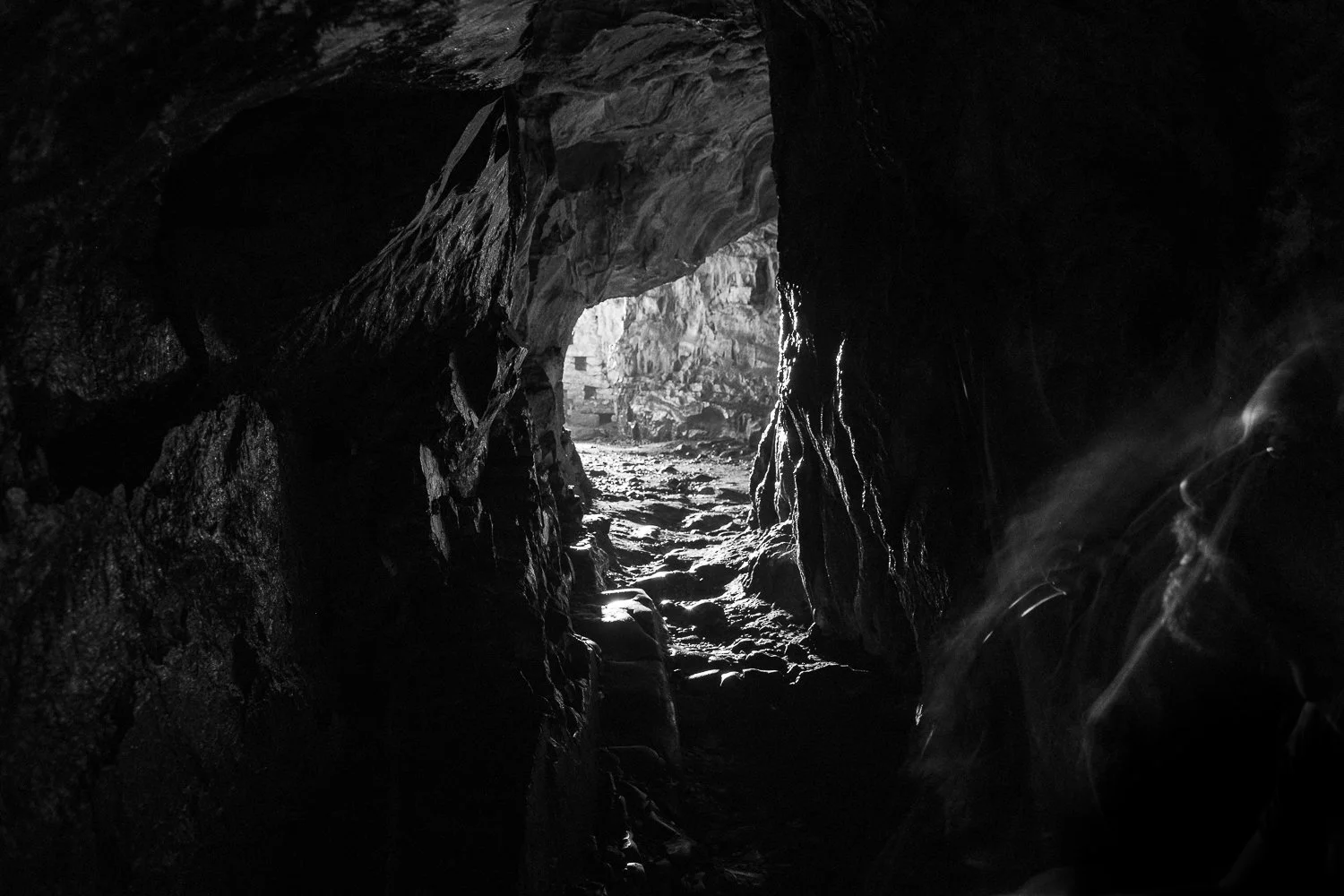
Under the castle, a cave stretches into absolute dark. I swear I hear footsteps further in but I make myself sit.
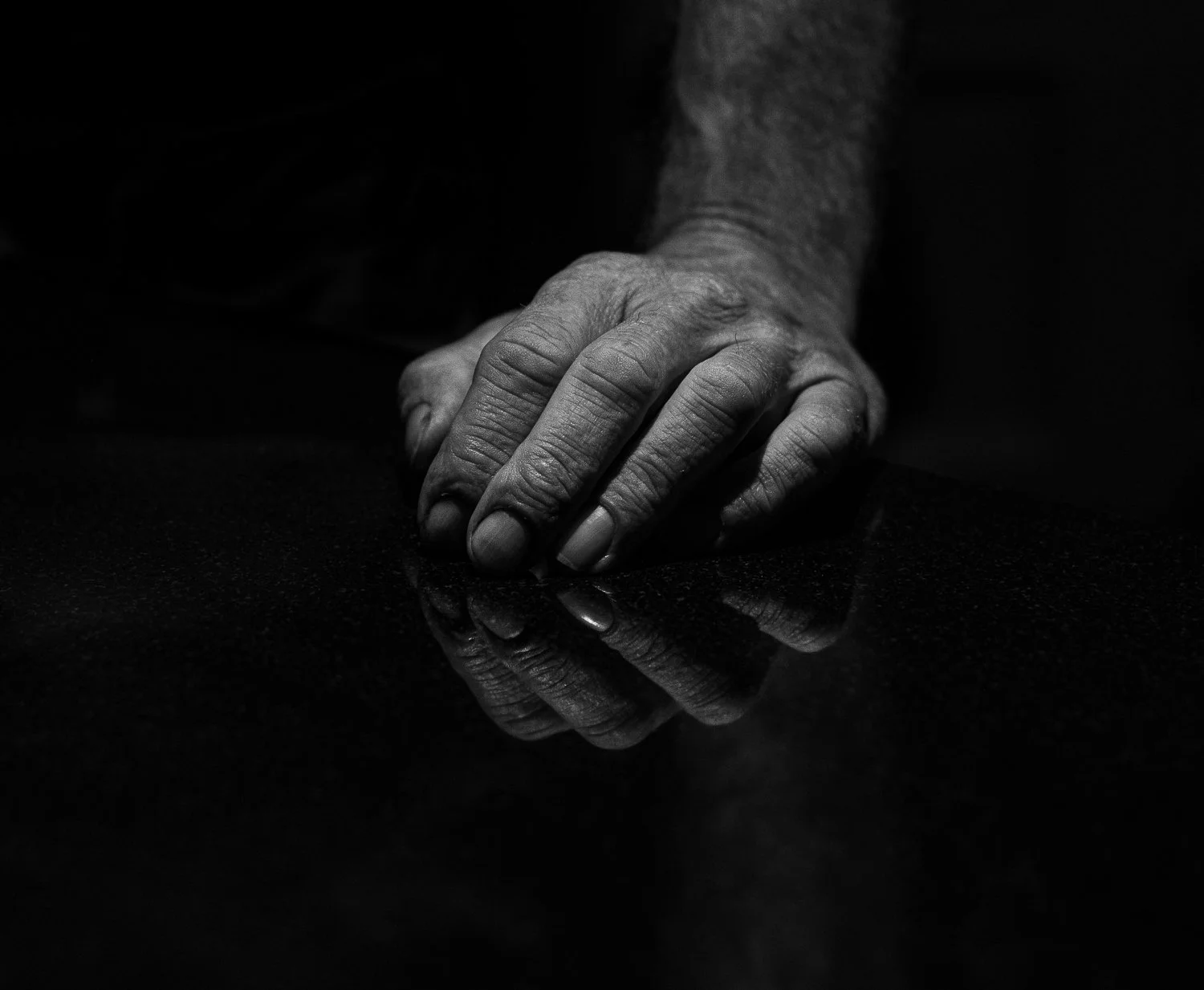
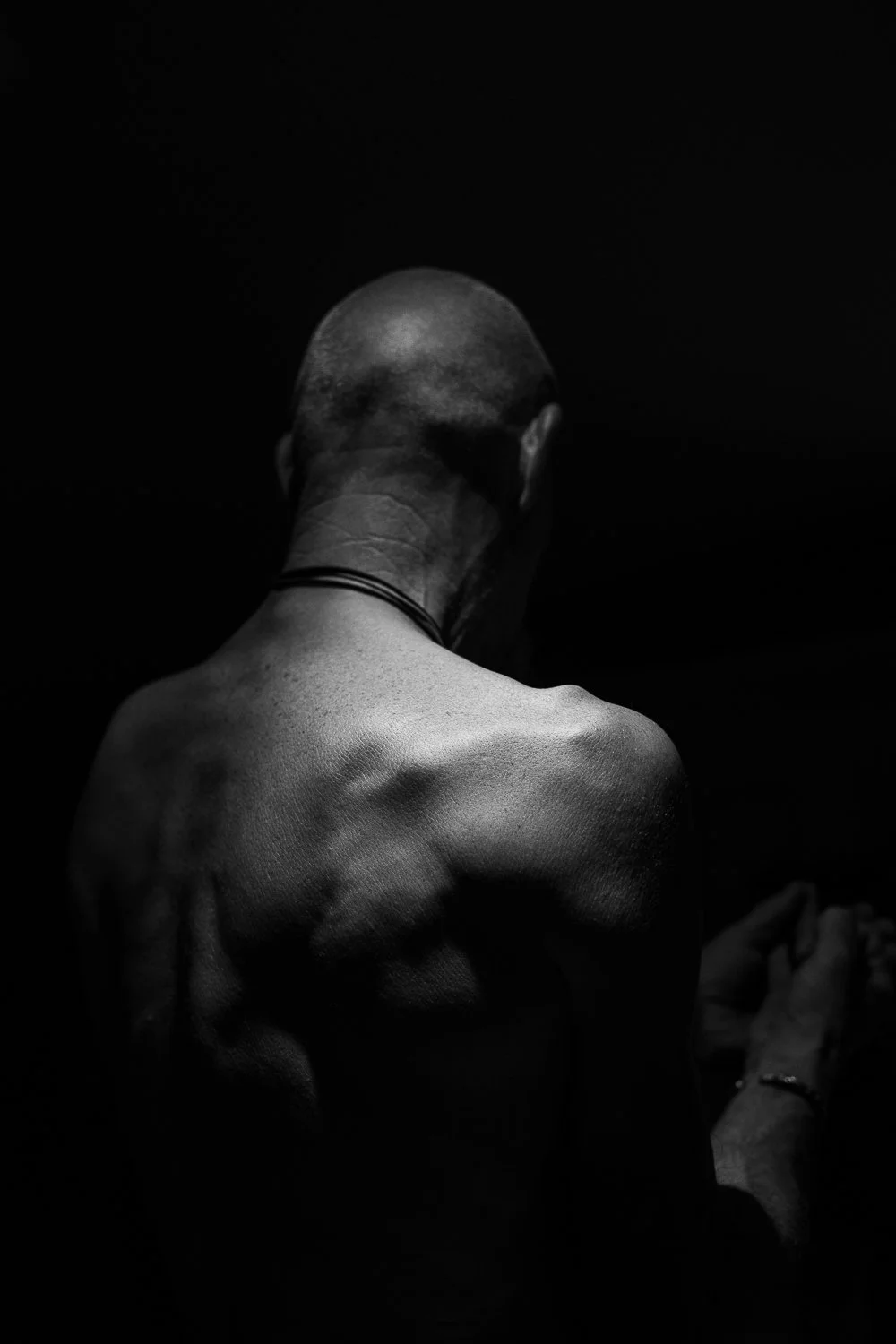
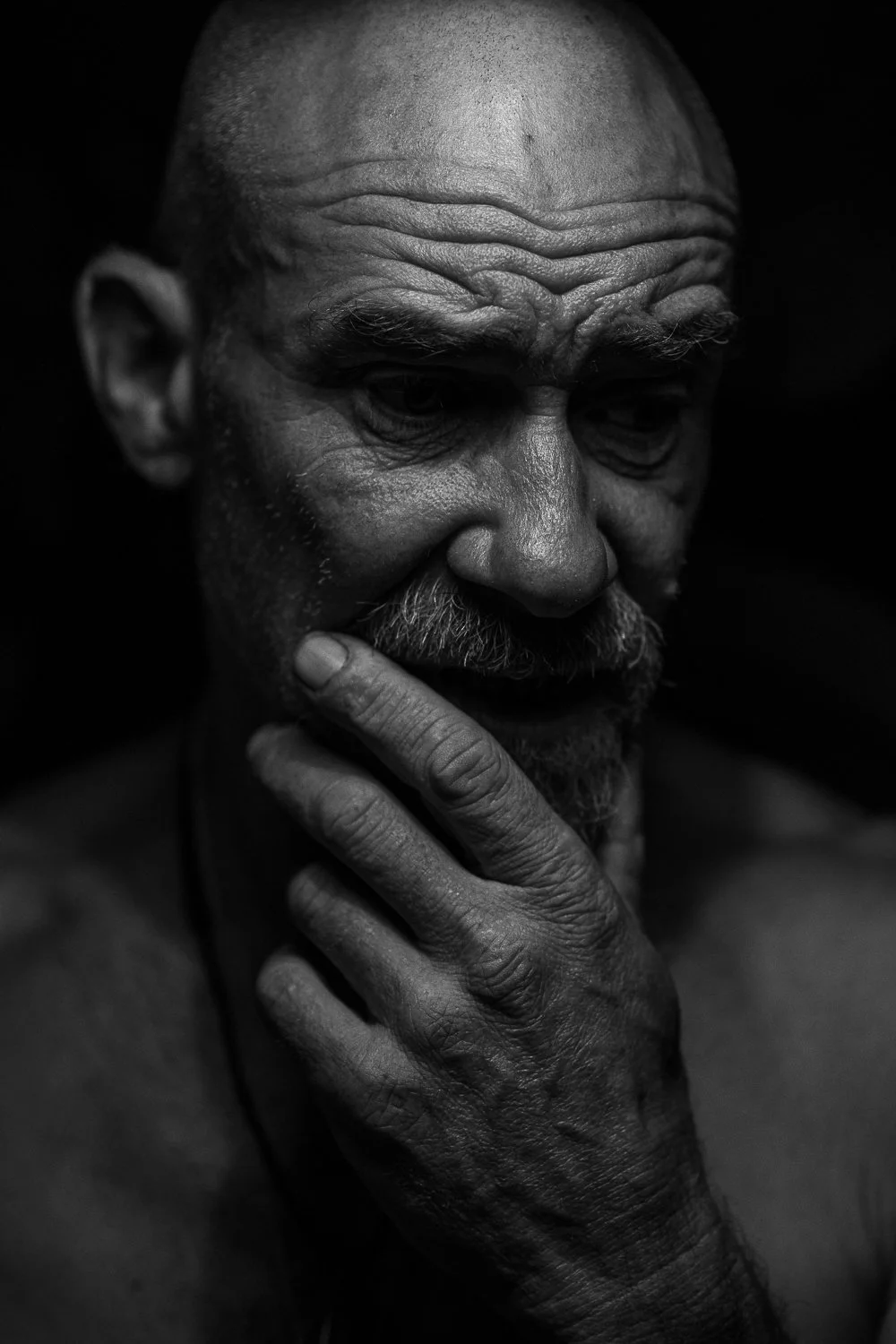
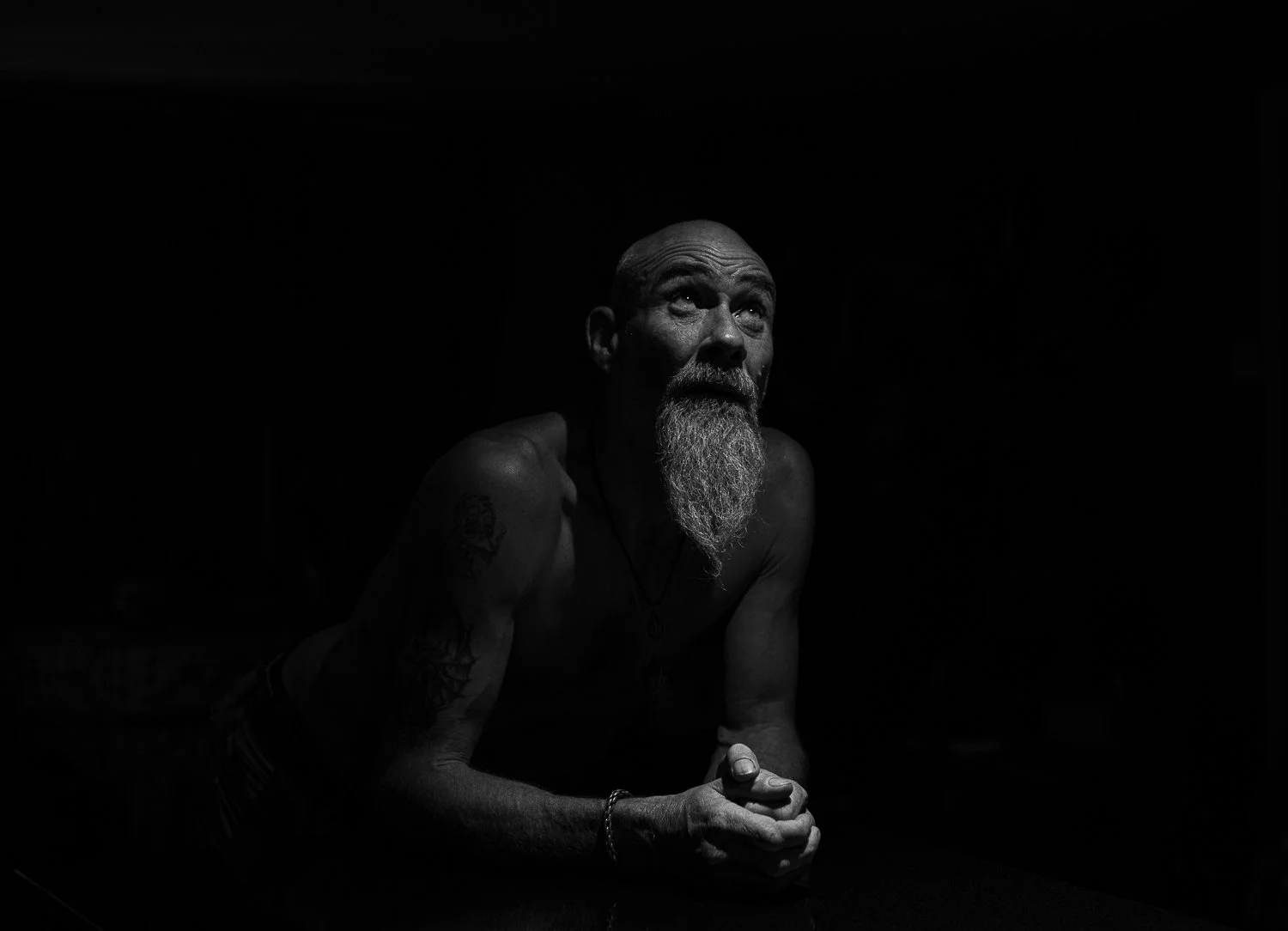
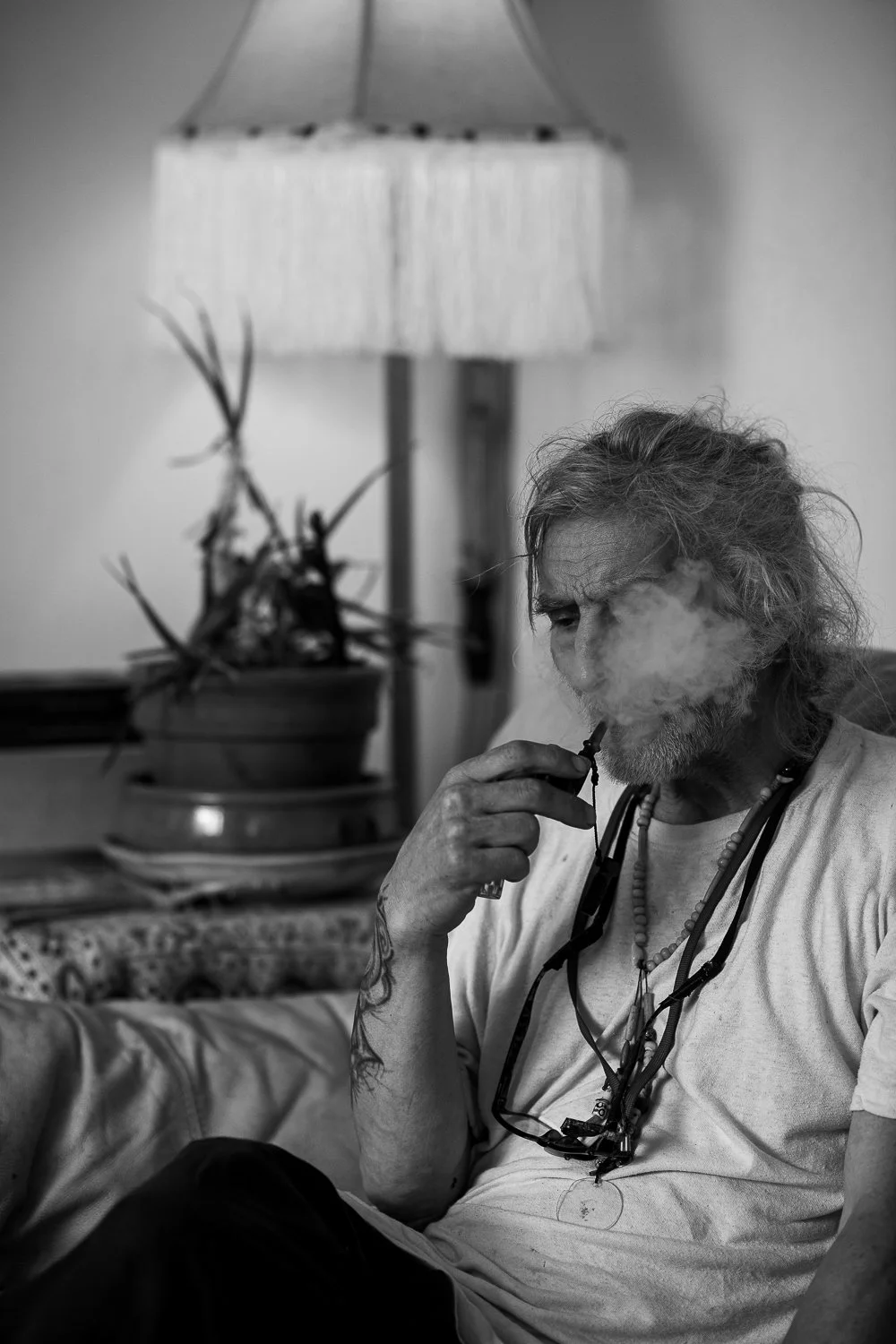
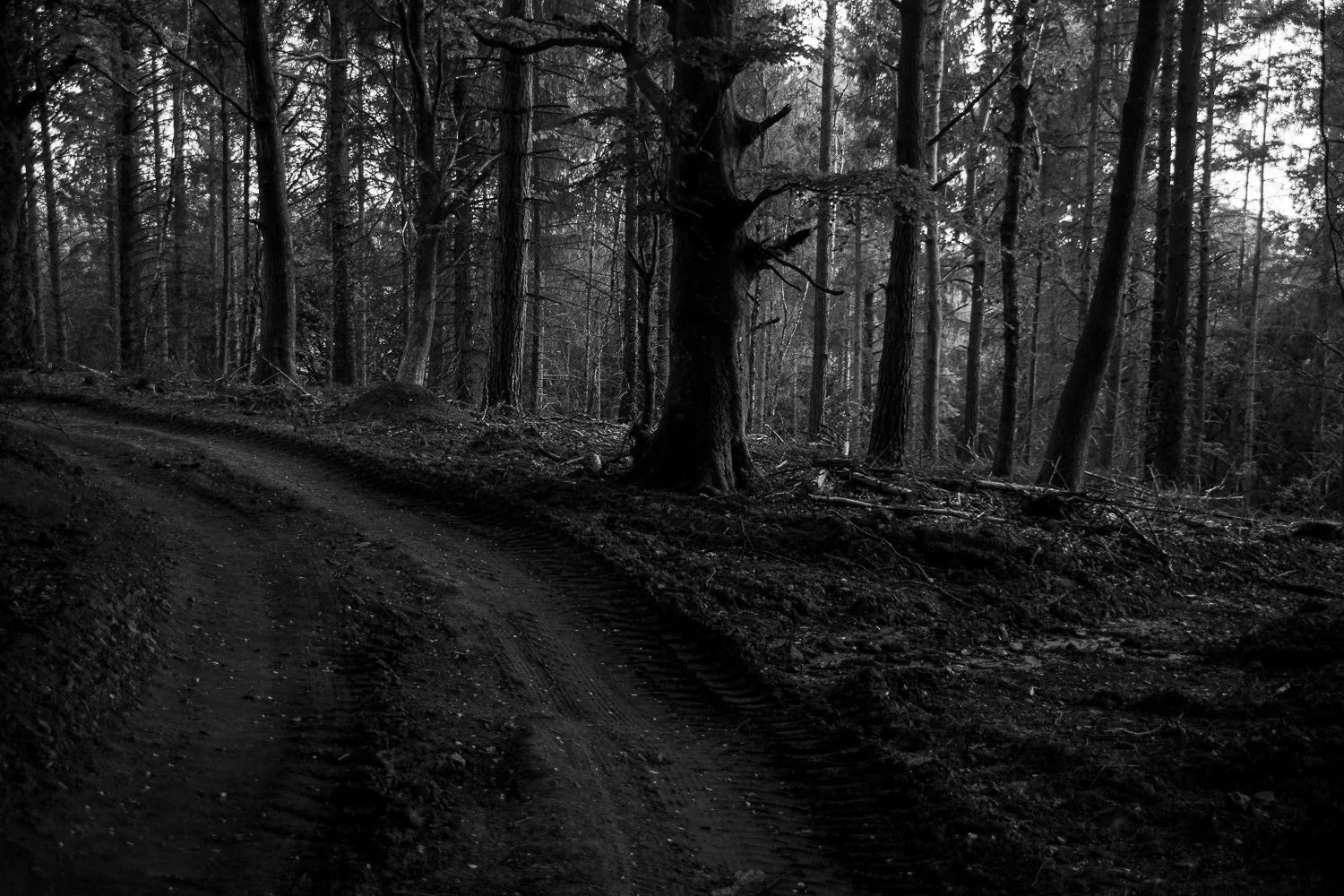
They’re taking all the trees away. For the landowner wants a herd of Exmoor ponies. Bat’s Hill is an Iron age Hill Fort that I feel called to climb as Bat is one of Nat’s nicknames.
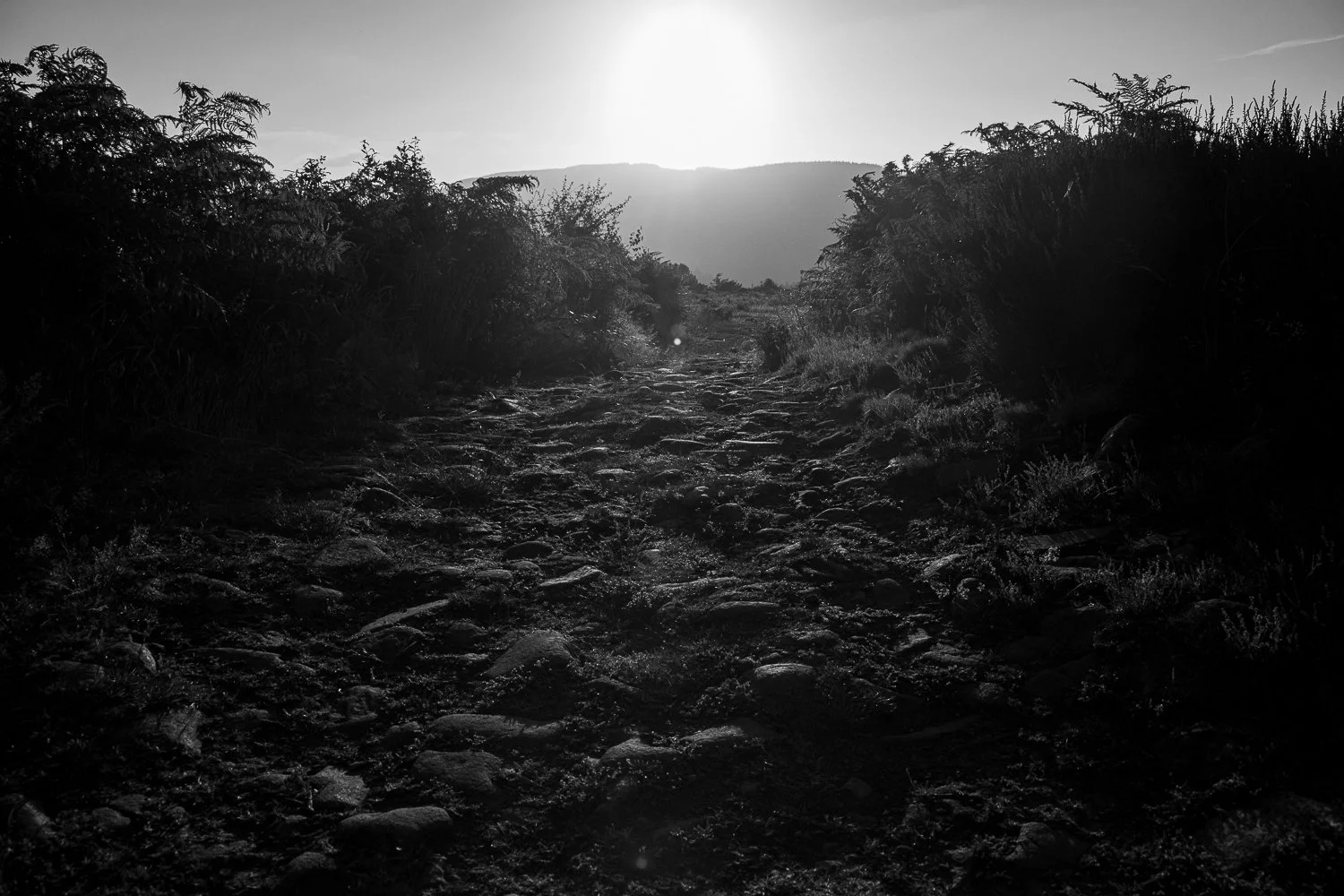
It feels silly, too far from the car and too close to dusk and there are scary metal warning signs - it must be closed to the public.
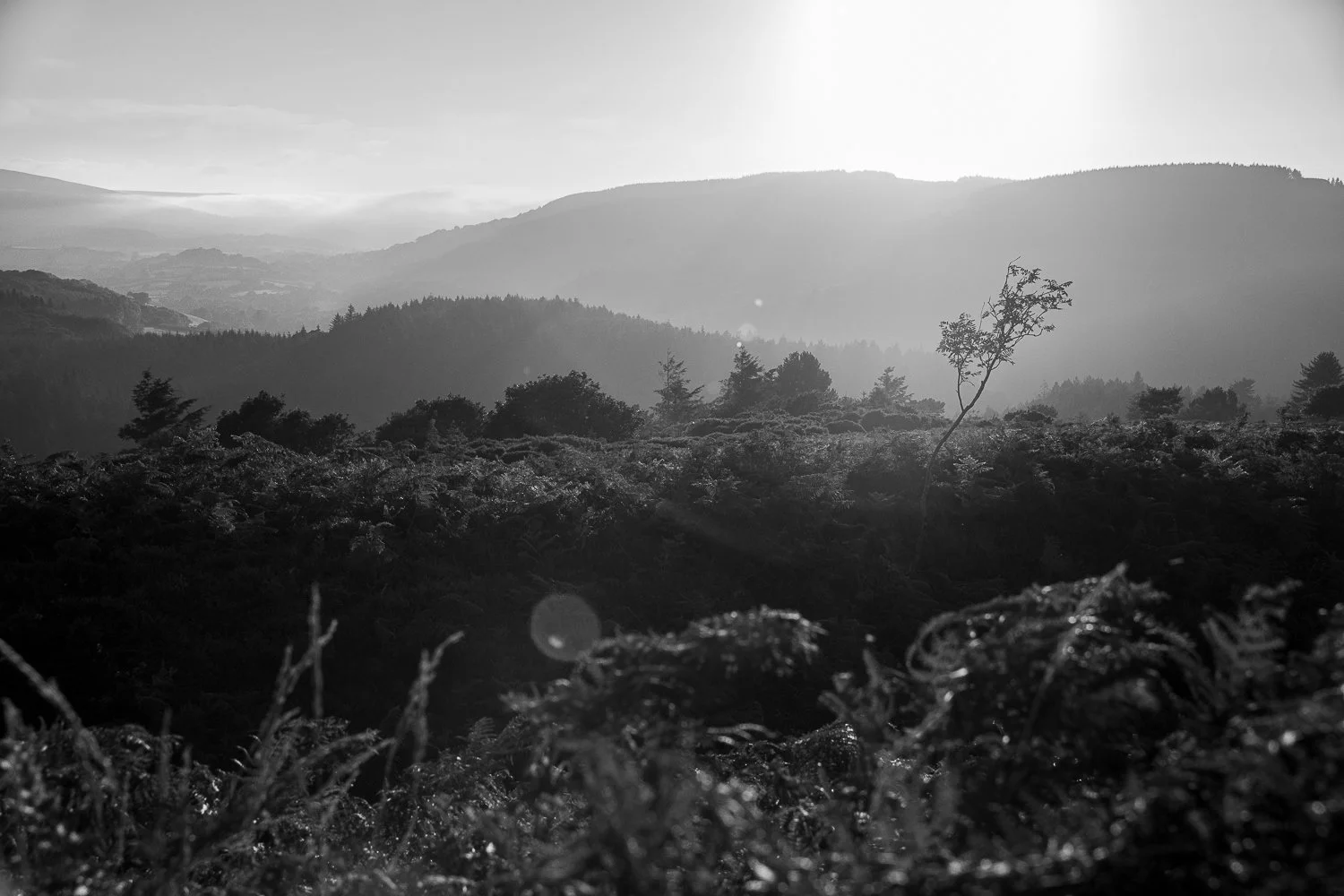
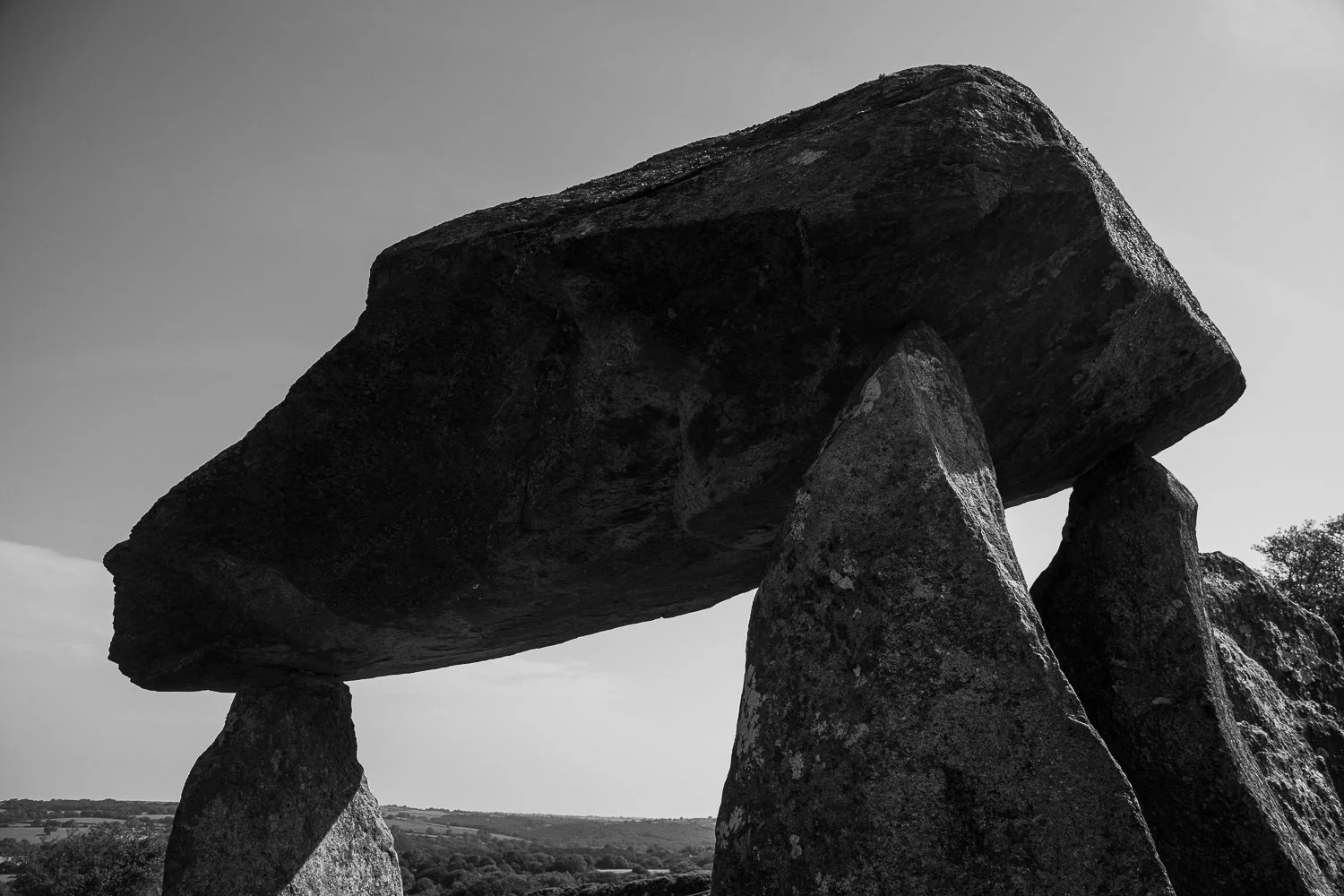
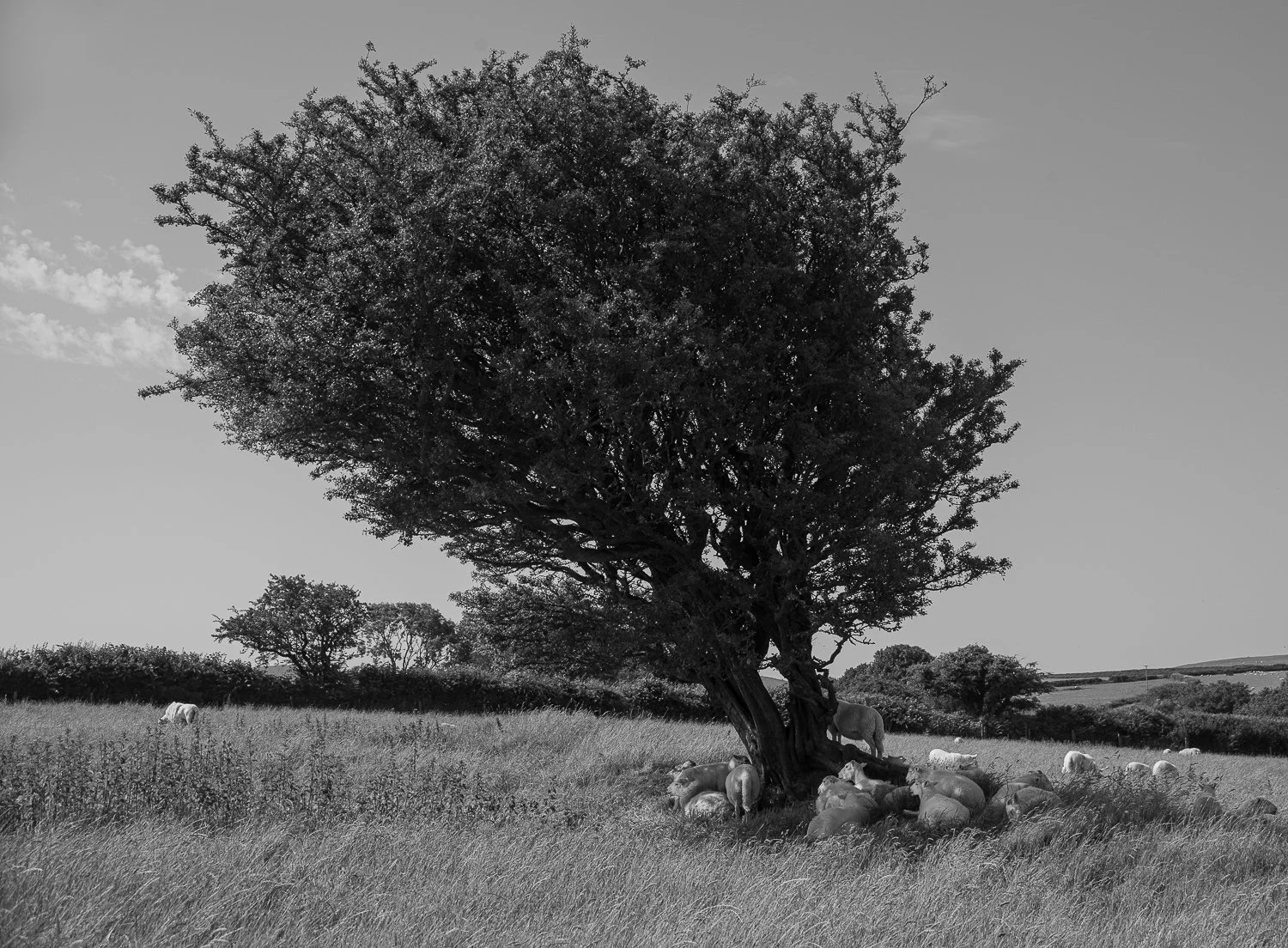
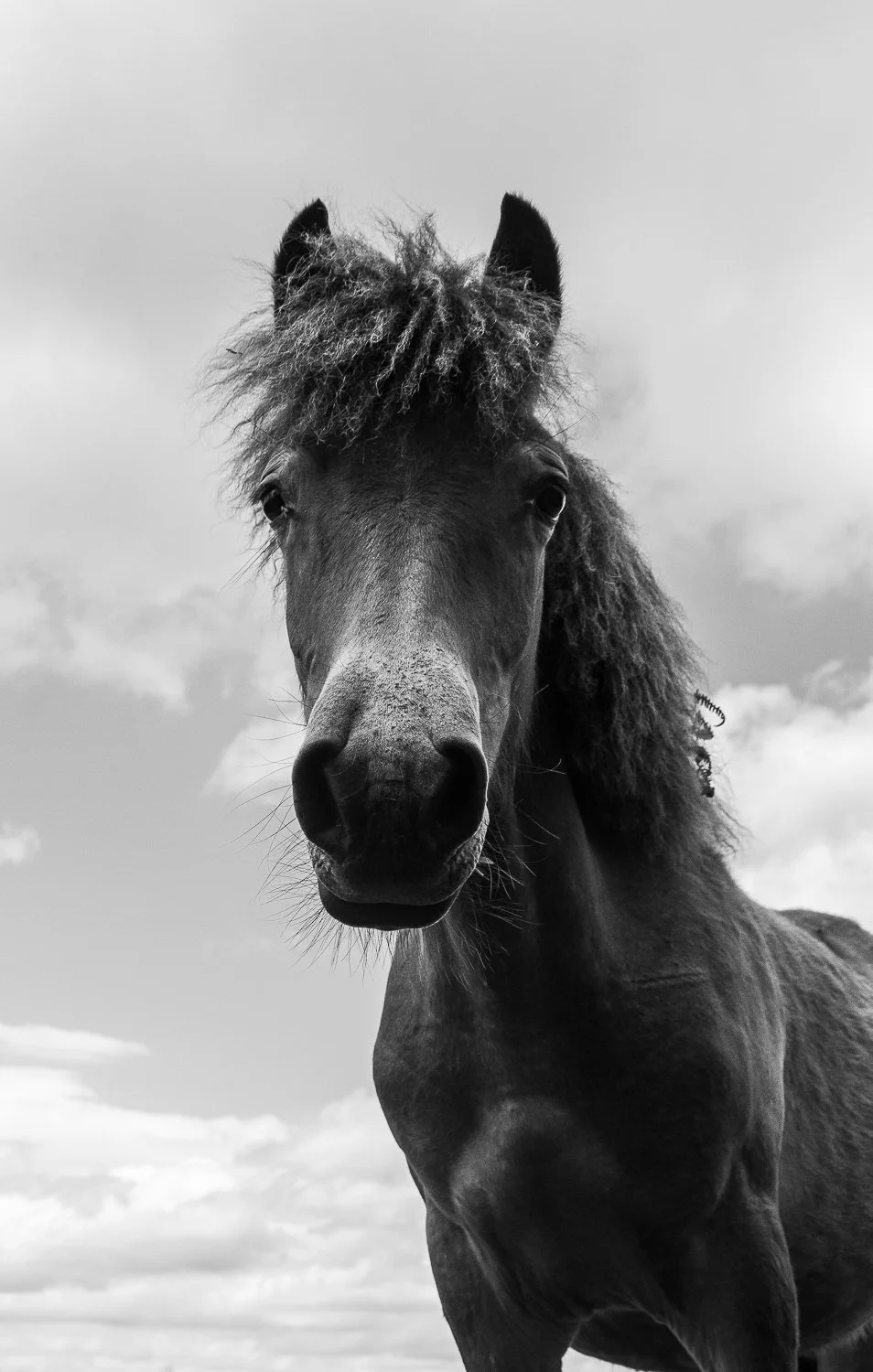
I see people in the distance disappointedly walking away from a herd of wild ponies that are scared off by their tramping and I creep up the side to the top of the moor, in the path of where the herd will find itself grazing.
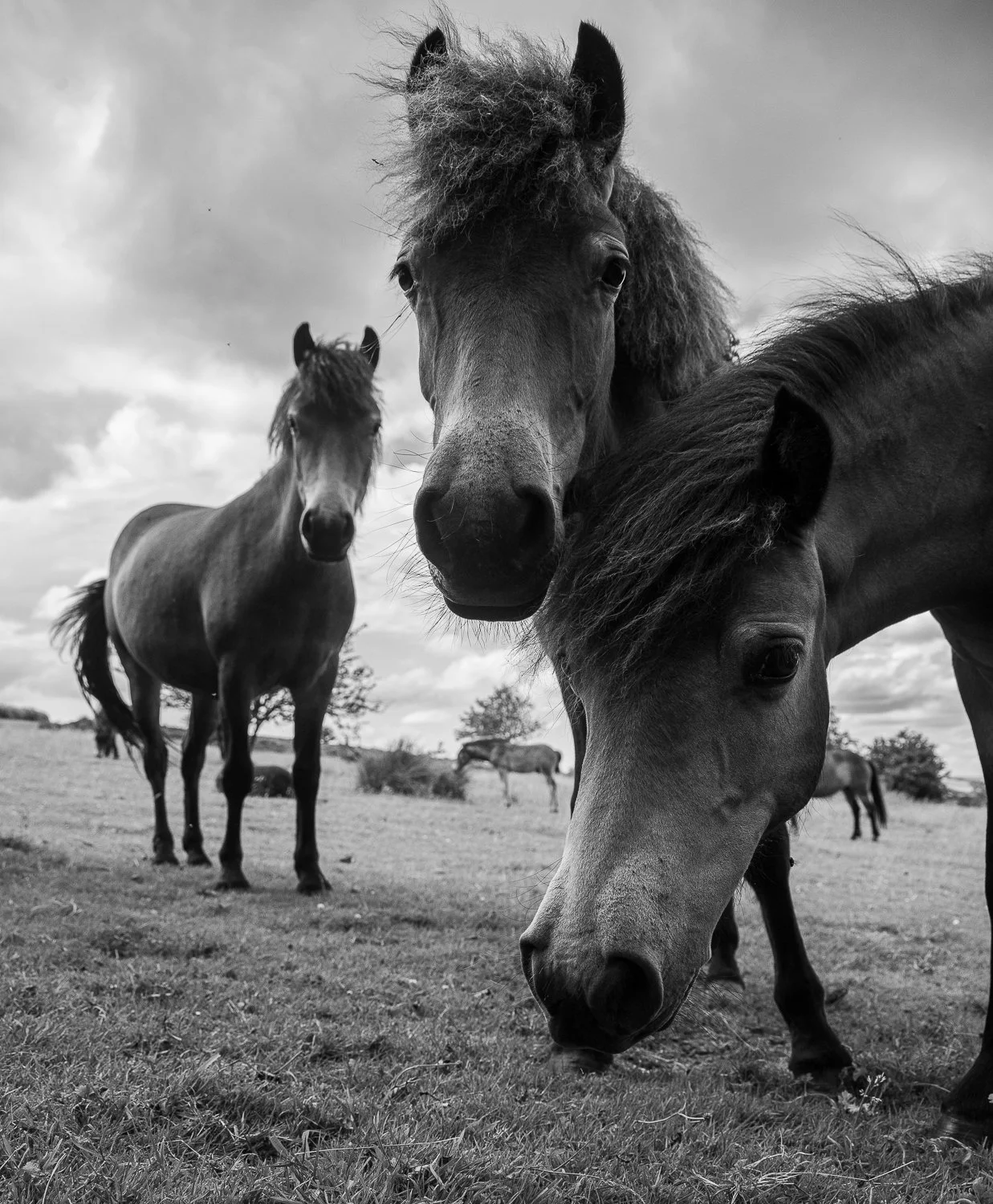
They greet me as we nod at each other and startle when I take a picture but calm again as we settle.
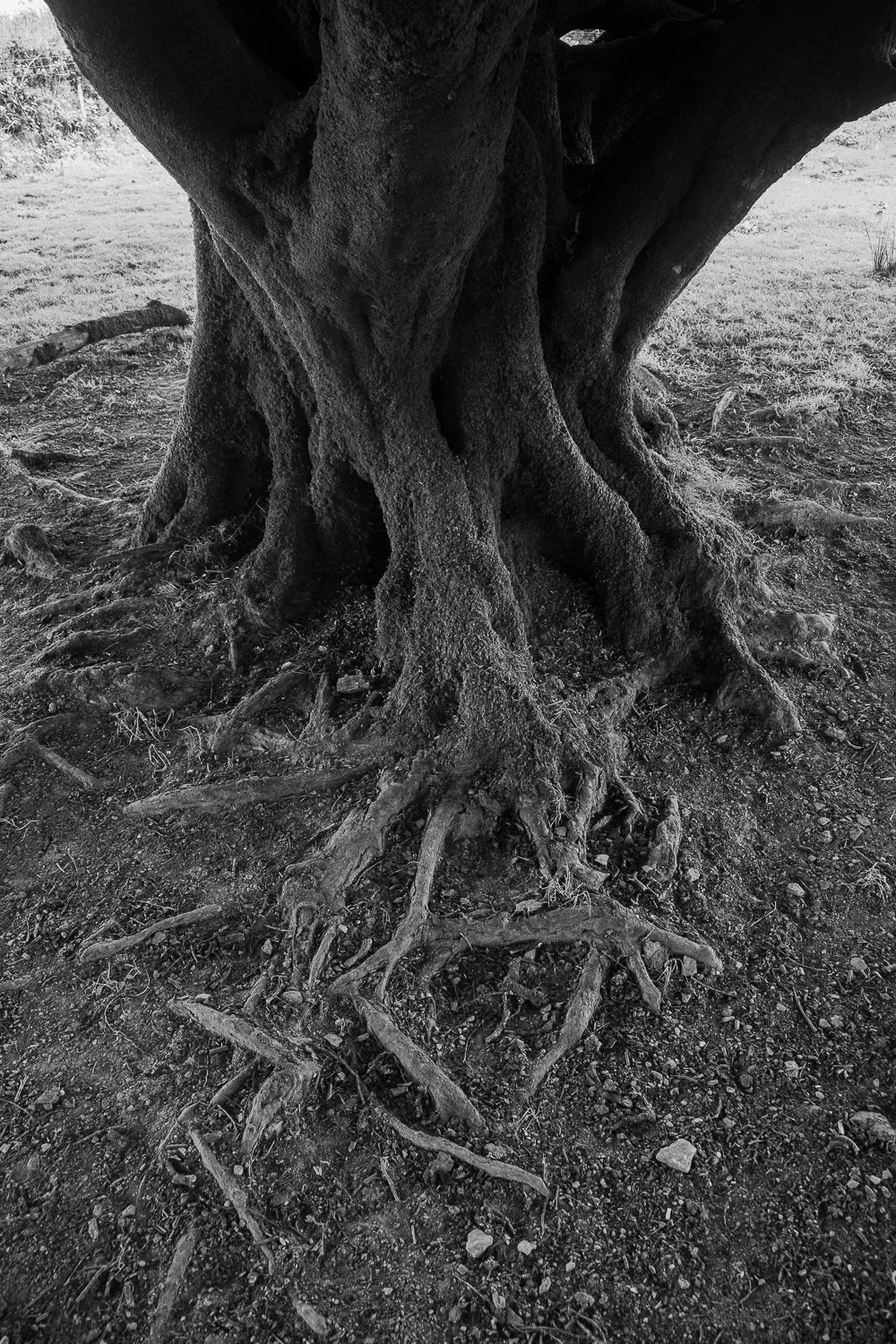
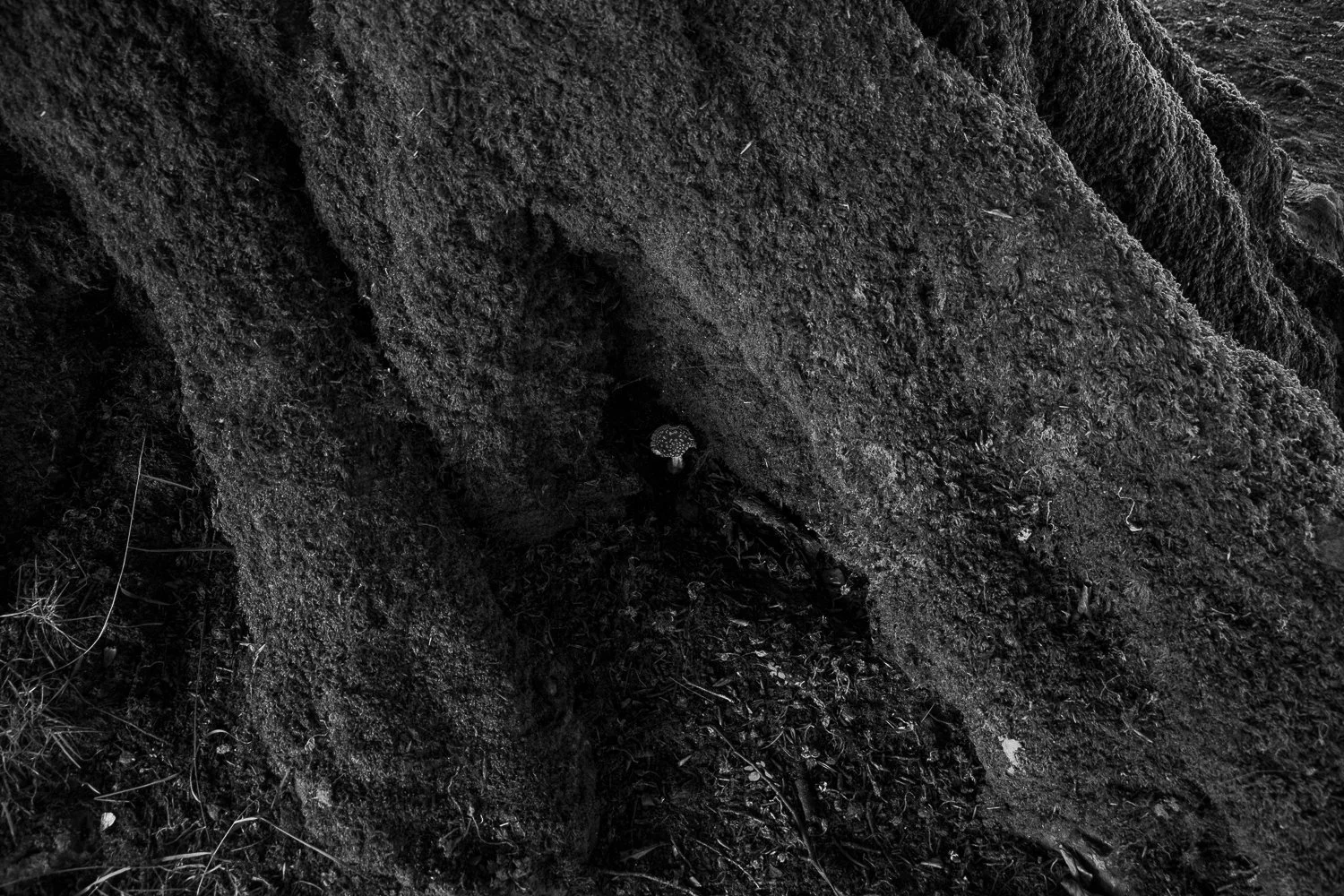
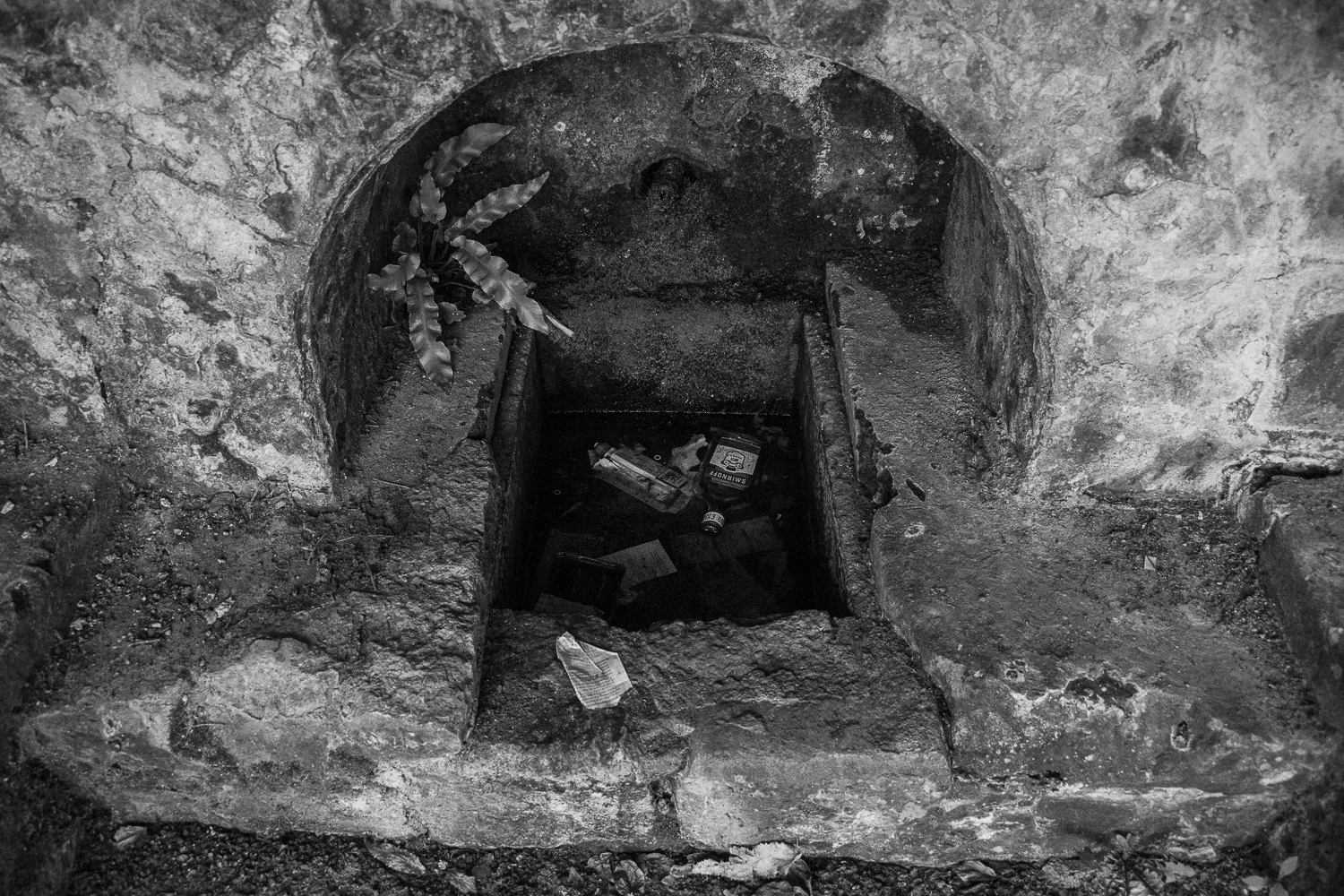
I found ‘The Jurassic Coast’ where apparently you can find fossils but the mass of sea was too high so I cleaned a holy well by hand.
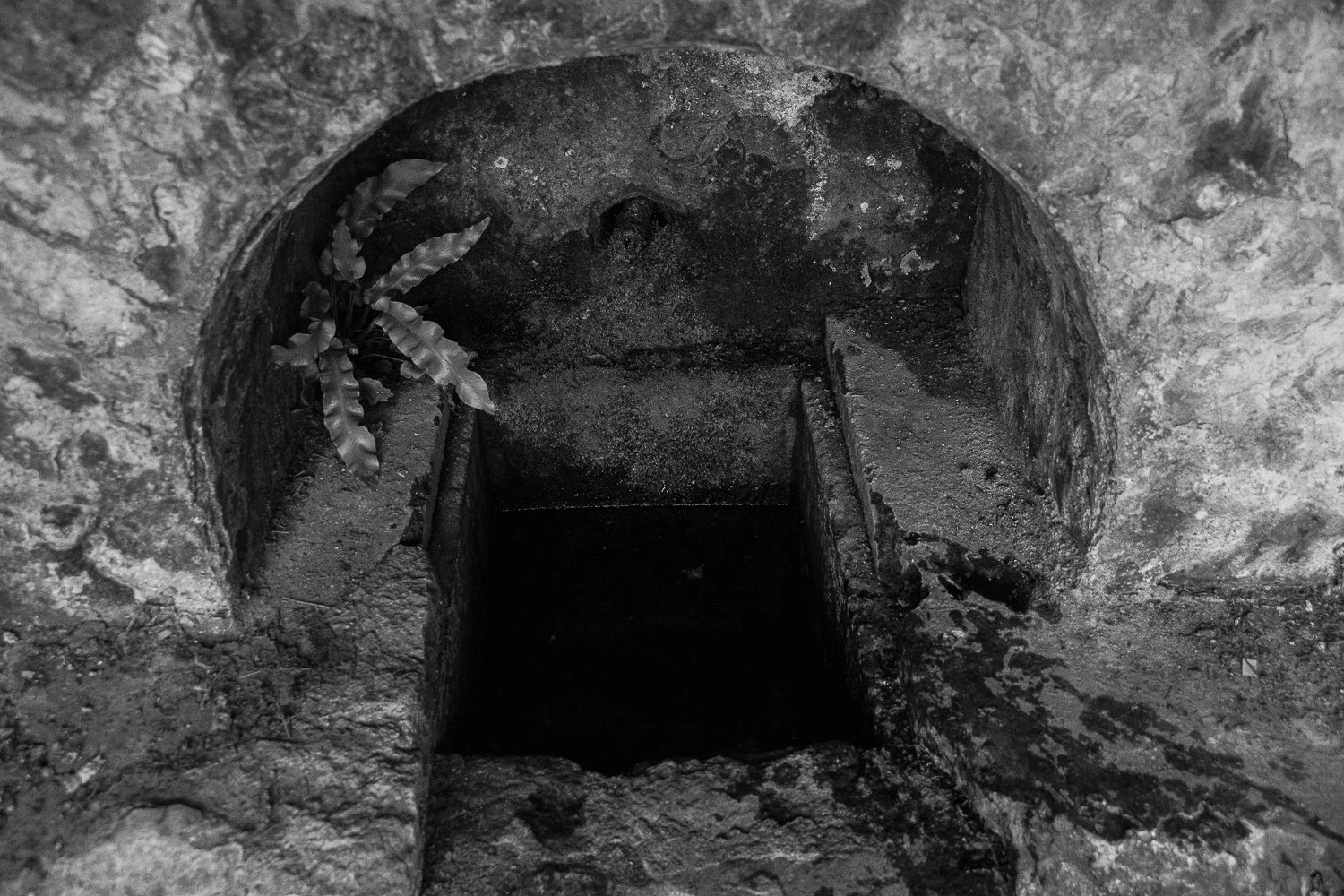
My hands smell like a memory of dredging a bog in science class but I feel like I’ve served. Something about humility.
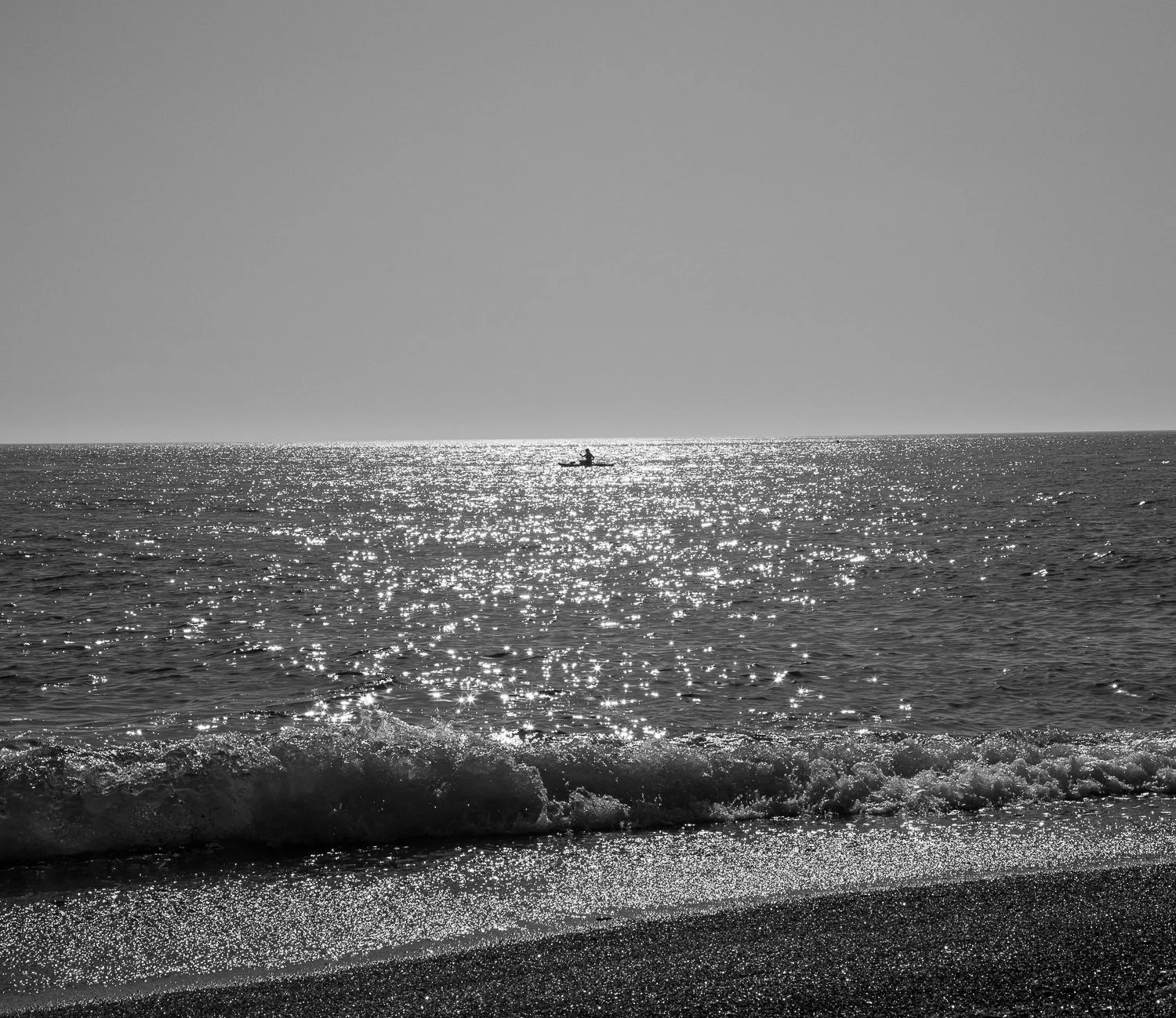
Someone’s going to shout at me because they think I’m photographing women.